|
Ant diversification after dinosaur extinction is governed by Jumping Genes
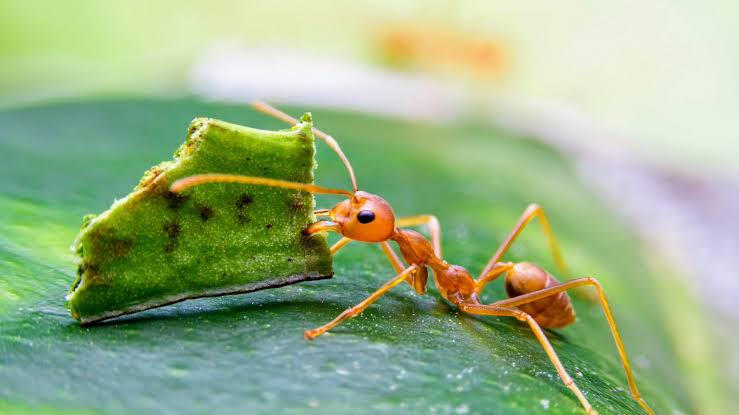
A new study links the diversification of ants into thousands of new species after the dinosaurs die to “jumping genes” in ant DNA. The news highlights the role of transposable elements in genomes and evolution.
Jumping genes:
| Dimension | Key Details |
|---|---|
| Scientific term | Jumping genes are scientifically called transposable elements (TEs) or transposons. |
| Definition | Transposons are DNA sequences that move from one location on the genome to another. |
| Occurrence | Transposons are widespread in both prokaryotes and eukaryotes. |
| Genome share | Transposons comprise approximately 50% of the human genome and up to 90% of the corn genome. |
| Classification criteria | Transposons are classified based on 2 main criteria: their mechanism of movement and their independence. |
| Types by movement mechanism | Transposons are classified as retrotransposons or DNA transposons, depending on how they move within the genome. |
| Types by independence | Transposons are classified as autonomous or non-autonomous, based on whether they require other transposons for mobility. |
| Genome impact | Transposons have a dual nature as both a threat to genome stability and a driver of genetic diversity. |
| Harmful effects | Transposons can inactivate genes or disrupt gene expression patterns by inserting into regulatory or coding regions. |
| Diseases linked | Transposon insertions can lead to diseases such as hemophilia, hypercholesterolemia, and various cancers. |
| Evolution linkage | In plants, environmental stresses like climate change can trigger increased transposon activity, potentially giving rise to adaptive mutations. |
| Regulation | Most organisms have evolved epigenetic mechanisms to regulate transposon activity. |
| Heterochromatin | In humans, genome regions rich in transposons are often tightly condensed into heterochromatin so that transcription machinery cannot access them. |
| Heterochromatin formation mechanisms | Heterochromatin formation comprises histone modifications and DNA methylation, including the addition of methyl groups to cytosine bases. |
| RNA-based silencing | Other silencing mechanisms are based on RNAi or small RNAs such as piRNAs, miRNAs, or siRNAs to specifically target and inactivate transposons. |
| Genomic location pattern | Most TEs are located far away from genes in chromosome areas that can be thought of as gene deserts. |
| Near-gene occurrence | Some TEs are located near genes and can target gene-rich regions. |
| Laboratory applications | Transposons are useful tools in the lab, with applications in mutagenesis, transgenesis, and gene therapy. |