|
Supreme Court Recognises Right to Walk on Footpaths as Fundamental Right
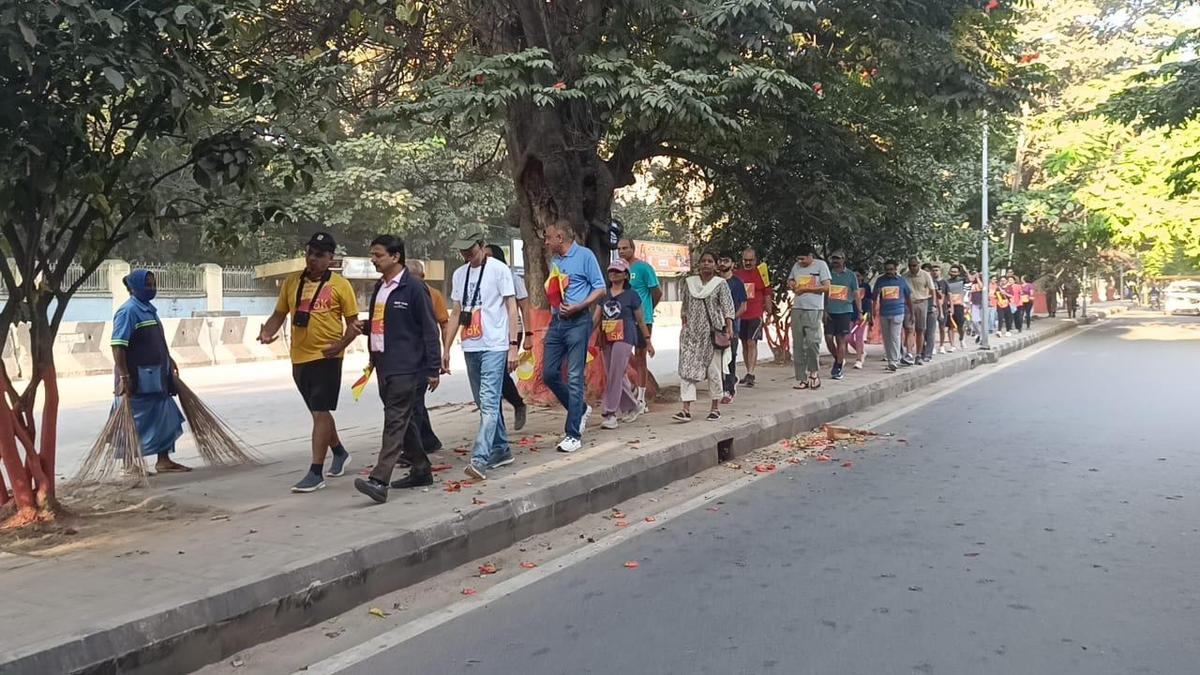
The Supreme Court of India declares the freedom to walk on demarcated and well-maintained footpaths a fundamental right. The Court links this freedom to Articles 21, 19(1)(a), 19(1)(b), 19(1)(c), and 14 of the Constitution. The Court asks the government to frame a statutory framework for the right to walk and suggests a regulatory body to implement pedestrian rights.
Supreme Court: Right to Walk on Footpaths
| Dimension | Key Details |
|---|---|
| Constitutional Basis | The right is linked to Articles 21, 19(1)(a), 19(1)(b), 19(1)(c), and 14. |
| Article 21 | Article 21 provides for the Right to Life and Personal Liberty, and walking safely is connected to life. |
| Article 19(1) Freedoms | Articles 19(1)(a), 19(1)(b), and 19(1)(c) provide for freedom of speech and expression, freedom of assembly, and freedom of association. |
| Article 14 | Article 14 provides for the Right to Equality, and common spaces must not be monopolised by motorised vehicles with pedestrians receiving equal protection. |
| Court Observation: Urbanisation | The Court observes that governments focus on urbanisation and motorisation, build wide roads and expressways, and neglect footpaths. |
| Minimum Duty of Authorities | Providing footpaths is the basic duty of municipal bodies. |
| Statutory Concern | The Motor Vehicles Act, 1988 regulates vehicles and ignores walkers’ rights. |
| Supreme Court Directions | The Court authorises the government to frame a statutory framework recognising the right to walk, fixing responsibility, and giving remedies. |
| Regulatory Body Suggestion | The Court suggests creating a regulatory body to enforce and implement pedestrian rights. |