|
Supreme Court Expands “Acid Attack Victims” Definition Under RPwD Act, 2016
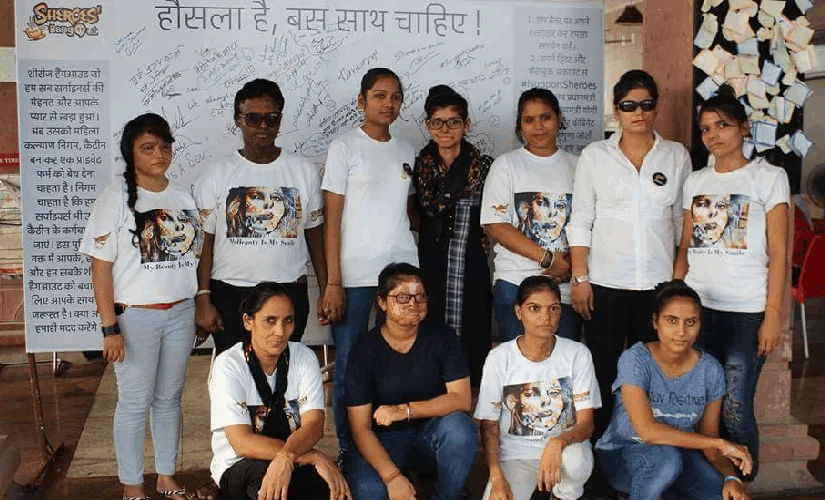
The Supreme Court expands the definition of acid attack victims under the Rights of Persons with Disabilities Act, 2016. The ruling is for recognising forcible acid ingestion victims and victims with internal injuries even without visible disfigurement.
Acid Attack Victims and Legal Protection:
| Dimension | Key Details |
|---|---|
| Supreme Court Ruling | The Supreme Court has expanded the definition of acid attack victims to include forcible acid ingestion victims and victims with internal injuries. |
| RPwD Act | The Rights of Persons with Disabilities Act, 2016 ensures dignity, non-discrimination, and equal opportunities for persons with disabilities. |
| Burden of Proof | The Supreme Court has suggested a shift in burden of proof on acid attack accused. |
| BNS Provision | Section 124 of the Bharatiya Nyaya Sanhita, 2023 makes acid attack causing injury or deformity a cognizable and non-bailable offence with punishment up to 10 years to life and fine. |
| BNSS Treatment Provision | Section 397 of the Bharatiya Nagrik Suraksha Sanhita provides for free and immediate treatment in all hospitals with mandatory police intimation. |
| Victim Compensation | Section 396 of the Bharatiya Nagrik Suraksha Sanhita provides for victim compensation scheme. |
| PMNRF Assistance | The Prime Minister’s National Relief Fund provides assistance of up to ₹1 lakh and recognition for welfare schemes. |
| Laxmi Case | The Laxmi case provides for regulation of acid sale. |
| Parivartan Kendra Case | The Parivartan Kendra case provides for action against illegal suppliers. |