|
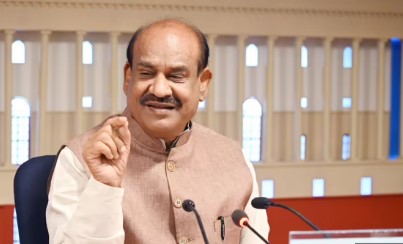
Lok Sabha Speaker Reconstitutes Four Parliamentary Committees
Parliamentary Committees are under focus due to concerns over their reduced role in legislative scrutiny and instances of bypassing in recent law-making. The issue for executive accountability and legislative oversight.
Parliamentary Committees
| Dimension | Key Details |
|---|---|
| Definition | Parliamentary Committees are panels of Members of Parliament formed to scrutinise government functioning and uphold executive accountability. |
| Types | Parliamentary Committees comprise Standing Committees and Ad hoc Committees. |
| Standing Committees | Standing Committees are permanent and regular and include Financial Committees and 24 Departmentally Related Standing Committees. |
| Ad hoc Committees | Ad hoc Committees are constituted for a specific purpose and cease to exist after completing their task, including Select and Joint Committees on Bills. |
| Legislative Oversight | Parliamentary Committees provide continuous legislative oversight beyond the limited duration of Parliament sessions. |
| Scrutiny of Laws | Committees provide detailed clause-by-clause examination of bills to support informed decision-making. |
| Performance Evaluation | Committees such as the Committee on Public Undertakings assess the efficiency and functioning of public sector undertakings. |
| Nature of Recommendations | Committee recommendations are advisory and non-binding. |
| Tenure | Most committees, including Departmentally Related Standing Committees, have a tenure of one year. |
| Delay in Constitution | Delays in constitution disrupt committee functioning and reduce efficiency. |
| Bypassing Committees | Important laws have been passed without committee examination, reducing legislative scrutiny. |
| Attendance Issues | Low attendance and absenteeism reduce the effectiveness of committee discussions. |
| Expert Support | Committees lack expert advisers as highlighted by the Venkatachaliah Commission. |