|
Sikkim Declared India’s First Fully Paperless State Judiciary
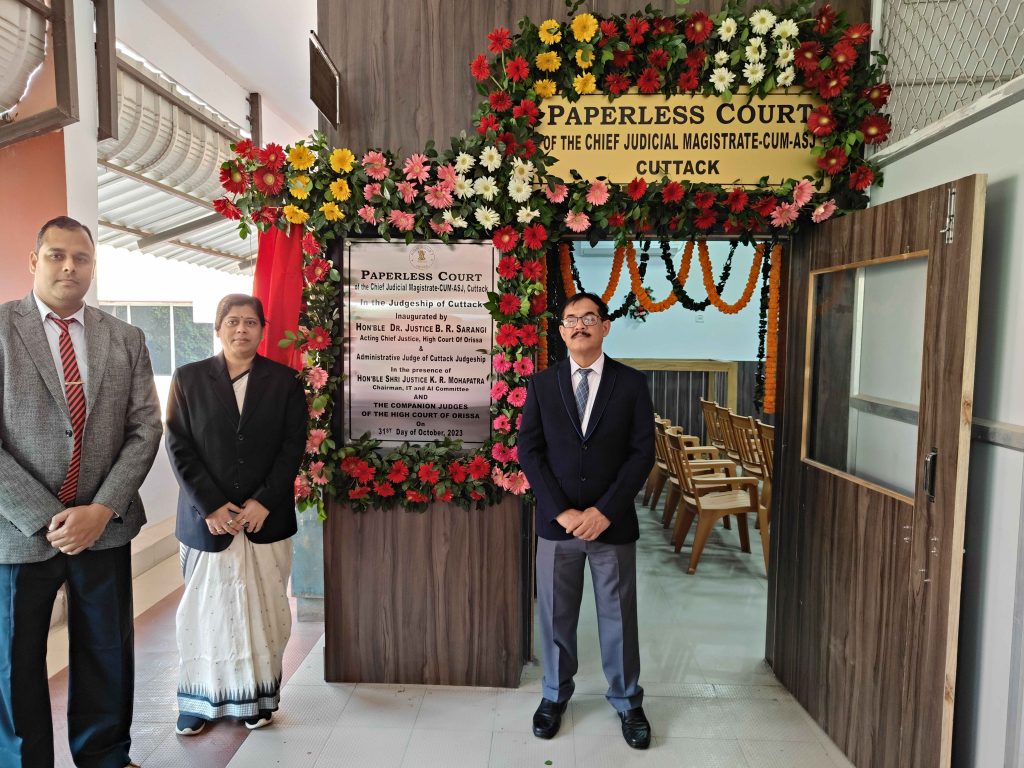
Sikkim has been declared India’s first fully paperless state judiciary during the National Conclave on Technology and Judicial Education. The development is currently relevant for digital transformation of the judicial system.
Paperless Judiciary in Sikkim:
| Dimension | Key Details |
|---|---|
| Venue | The declaration has been made in Gangtok, Sikkim. |
| Aim | The initiative provides for overcoming geographical barriers and improving access to justice in hilly terrain. |
| Digital Ecosystem | The High Court, district courts, and subordinate courts operate on a digital-first model. |
| Workflow | The judicial system provides for end-to-end digital processes including e-filing, real-time case tracking, electronic orders, and digital case management. |
| E-Filing | E-Filing 3.0 enables 24/7 filing of cases without physical submission at court counters. |
| Digital Courtroom | Court proceedings are conducted through video conferencing. |
| AI Tools | AI tools comprise SUVAS for translation of regional languages and SUPACE for legal research. |
| E-Sewa Kendra | E-Sewa Kendra provides physical assistance to citizens with low digital awareness. |
| Environmental Impact | The initiative reduces paper consumption and supports eco-friendly governance. |
| Efficiency | The digital system reduces case pendency and improves retrieval of records. |
| Inclusivity | The system improves access to justice in remote areas such as North Sikkim. |
| NJDG | The National Judicial Data Grid is updated in real time to ensure transparency in the legal process. |
| e-Courts Project | The e-Courts Mission Mode Project is implemented in three phases focusing on computerisation, e-filing, open data, AI, and paperless systems. |
| Nodal Agency | The Department of Justice under the Ministry of Law and Justice is the nodal agency. |
| Vision | The initiative provides for a technology-driven judiciary based on cloud-first architecture and advanced data analytics. |