|
Das Adam Smith Problem
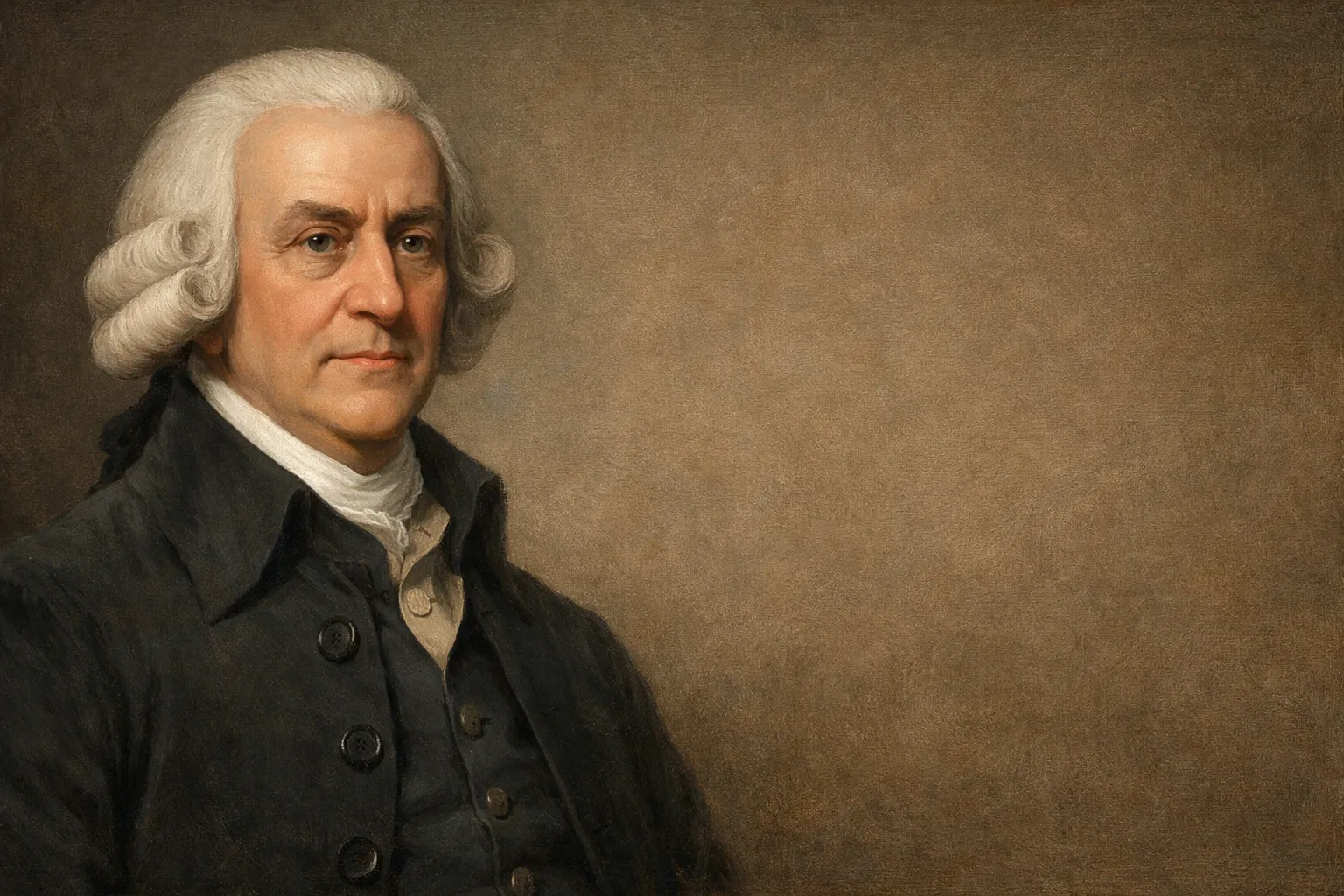
Adam Smith’s book The Wealth of Nations marks its 250th anniversary on March 9, 2026. The occasion is experts revisit the perceived conflict between his two major works, known as Das Adam Smith Problem.
Das Adam Smith Problem:
| Dimension | Key Details |
|---|---|
| Meaning | Das Adam Smith Problem refers to the perceived conflict between Adam Smith’s two major books. |
| Theory of Moral Sentiments | The Theory of Moral Sentiments, 1759 emphasizes empathy or sympathy in understanding human character and concern for others. |
| The Wealth of Nations | The Wealth of Nations, 1776 emphasizes self-interest and the role of the invisible hand in the economy. |
| 19th Century View | German thinkers in the 19th century believed that Adam Smith shifted from kindness to selfishness. |
| Modern View | Modern scholars argue that there is no real conflict between Smith’s economic and moral ideas. |
| Integrated System | Smith’s ideas on economics and morals are viewed as an integrated system. |
| Invisible Hand | The invisible hand shows that people may help society while pursuing self-interest, provided good moral rules exist. |
| Jacob Viner | Jacob Viner argued in the 1920s that both books share the same philosophical base. |
| Amartya Sen | Amartya Sen argues that Smith’s economics includes moral institutions needed for markets to work. |
| Kenneth Arrow | Kenneth Arrow argued in the 1950s that Smith moved economic theory beyond good versus bad to study collective market functioning. |
| Significance | The debate explains the balance between individual interest and public good in the Scottish Enlightenment and welfare economics. |
| Adam Smith | Adam Smith, 1723–1790, is known as the father of modern economics and a central figure of the Scottish Enlightenment. |