|
“National Disaster Management Guidelines on Comprehensive DVI and Management”
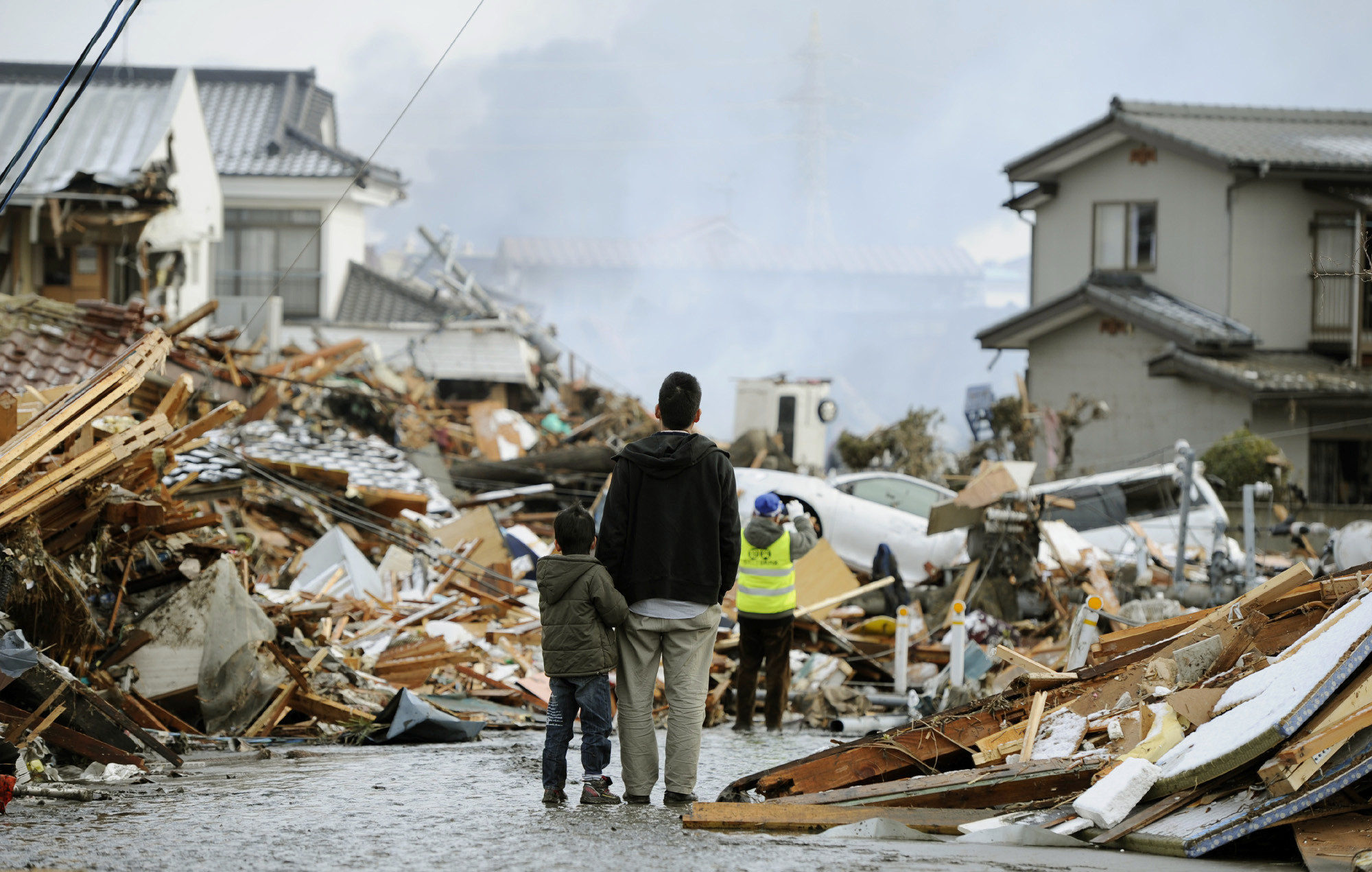
The National Disaster Management Authority has released India’s first comprehensive Standard Operating Procedure on Disaster Victim Identification following multiple mass fatality incidents in 2025. The guidelines were issued by the Ministry of Home Affairs on Republic Day, marking 25 years since the 2001 Gujarat earthquake.
NDMA :
| Dimension | Key Details |
|---|---|
| Issuing Authority | Released by NDMA under the Ministry of Home Affairs |
| Nature of Document | Standard Operating Procedure for handling Mass Fatality Incidents |
| Core Objective | Scientific, coordinated and humane identification of disaster victims |
| Dignified Handling | Dignified handling and handover of human remains |
| Four-Stage Identification Process | Systematic recovery of remains, post-mortem data collection, ante-mortem data collection, and reconciliation followed by release to families |
| National Dental Data Registry | Creation of a registry recognising dental records as reliable identifiers |
| International Alignment | Aligned with Interpol Disaster Victim Identification standards |
| Forensic Disciplines Included | Includes forensic odontology and forensic archaeology within a coordinated framework |
| Humanitarian Forensics | Emphasises sensitivity to customs, emotional support for families, and dignity in identification processes |
| Institutional Coordination | Provides for coordination among police, medical, forensic, administrative and disaster response agencies |
| Operational Challenges | Includes fragmentation of remains, rapid decomposition, charring in fires and displacement during floods |
| Logistical Gaps | Includes inadequate mortuary capacity, lack of cold chain storage, and absence of reliable manifests |
| Institutional Gaps | Includes shortage of trained forensic manpower and weak inter-agency coordination |
| Capacity Building Measures | Provides for training experts and forming specialised DVI teams in each State |
| Implementation | Mandates fast-tracking of implementation and adaptation of Interpol best practices to Indian conditions |