|
Solid Waste Management Rules Rules 2026
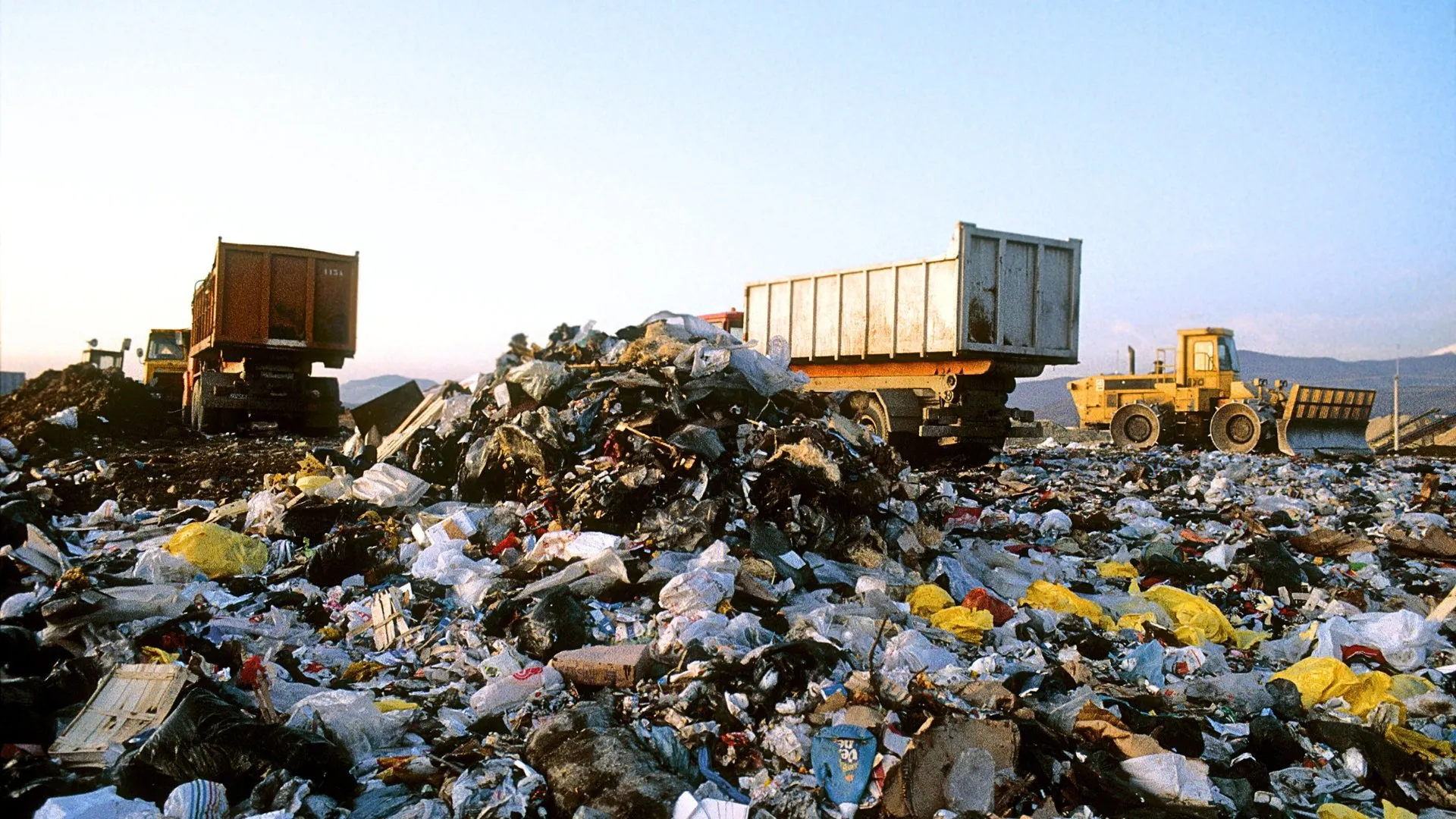
The Solid Waste Management Rules, 2026 have been notified by the Union Ministry of Environment, Forest and Climate Change. The new rules will come into force on April 1, 2026, replacing the Solid Waste Management Rules, 2016.
Solid Waste Management Rules, 2026:
| Dimension | Key Details |
|---|---|
| Notifying Authority | Union Ministry of Environment, Forest and Climate Change |
| Commencement Date | Applicable from April 1, 2026 |
| Replaced Framework | Replaces the Solid Waste Management Rules, 2016 |
| Applicability | Applies to urban and rural local bodies |
| Waste Management Approach | Emphasises waste reduction, reuse, segregation, and at-source processing |
| Waste Hierarchy | Provides for prevention, reduction, reuse, recycling, recovery, with disposal as the last option |
| Segregation System | Mandates four-way segregation: wet waste, dry waste, sanitary waste, and special-care waste |
| Segregation Infrastructure | Green bins for wet waste, blue bins for dry waste, and red bins for sanitary waste |
| Definition of Bulk Waste Generators | Entities with built-up area of 20,000 sq m or more, or water use of 40,000 litres per day or more, or waste generation of 100 kg per day or more |
| Bulk Waste Generators Covered | Residential societies, gated communities, malls, hotels, restaurants, educational institutions, government departments, and large townships |
| Bulk Generator Obligations | Provides for mandatory segregation at source and handover of recyclable waste to authorised entities |
| Compliance Timeline | Gated communities, RWAs, hotels, restaurants, and institutions above 5,000 sq m must comply within one year |
| Polluter Pays Principle | Provides for environmental compensation for non-registration, false reporting, and improper waste handling |
| Landfill Charges | Mandates higher landfill fees for mixed or unsegregated waste |
| Role of CPCB | Authorised to frame detailed guidelines on compensation and penalties |
| Digital Monitoring System | Introduces a centralised online portal to track waste generation, collection, transportation, processing, and disposal |
| Mandatory Registration | Required for bulk waste generators, local bodies, transporters, processors, waste pickers, railways, airports, SEZs, and large authorities |
| Extended Responsibility Regime | Bulk waste generators brought under an extended responsibility framework |
| Certification-Based Compliance | Provides for certification-based compliance replacing self-declaration |
| On-Site Processing | Mandates at-source processing of wet waste through on-site composting or approved decentralised alternatives |
| Alternative Compliance | Allows procurement of compliance certificates from ULBs or authorised waste processing facilities |
| Annual Reporting | Requires annual returns by June 30 detailing waste quantity, processing method, and certificates |
| Landfill Use | Restricts landfills to non-usable, non-recyclable, and non-energy-recoverable waste |
| Legacy Landfills | Mandates mapping of legacy landfills by October 31, 2026, and preparation of remediation plans |
| Remediation Methods | Comprises bioremediation and biomining of legacy waste |
| Energy Recovery Threshold | Mandates diversion of waste with calorific value of 1,500 kcal/kg or more for energy recovery |
| Energy Recovery Methods | Includes RDF production and co-processing in cement kilns and thermal power plants |
| Industrial Substitution Targets | Mandates replacement of solid fossil fuels with RDF starting at 6% and scaling to 15% within six years |