|
Bonded Labour System (Abolition) Act, 1976
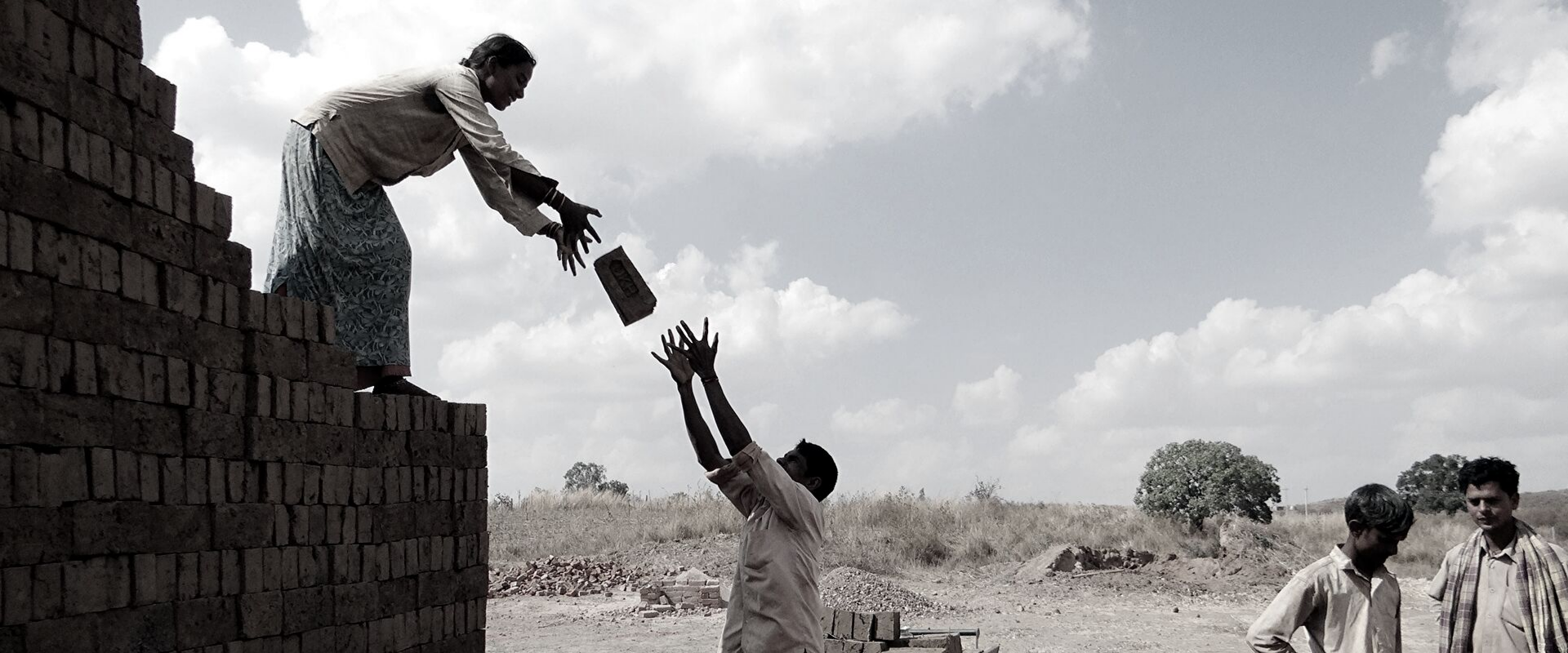
The Bonded Labour System (Abolition) Act, enacted in February 1976, marked a milestone in abolishing bonded labour in India. The Act continues to remain central to India’s legal framework against forced labour.
Bonded Labour System (Abolition) Act, 1976:
| Dimension | Key Details |
|---|---|
| Enactment | Enacted in February 1976 |
| Constitutional Safeguards | Articles 21, 23 and 24 provide protection against bonded labour and forced labour |
| Legal Provision | BLSA, 1976 abolishes bonded labour system |
| Penal Provision | Section 143 of the Bhartiya Nyaya Sanhita, 2023 penalizes trafficking and forced labour |
| Abolition Clause | Declares all forms of bonded labour illegal |
| Bonded Debt | Cancels all existing bonded debts and mandates immediate release of bonded labourers |
| Protection Provision | Provides protection from eviction of freed bonded labourers from occupied lands |
| Enforcement Mechanism | District Magistrates and Vigilance Committees identify, release and rehabilitate bonded labourers |
| Rehabilitation Measures | Provides financial assistance, land, housing and livelihood support through Central and State programmes |
| Rescue Operations | Periodic surveys and rescue drives have identified and released lakhs of bonded labourers |
| Enforcement Data | Approximately 300,000 bonded labourers freed or rehabilitated since 1978 |
| Persistence Factors | Linked to poverty, informal sector exploitation, caste hierarchies and low conviction rates |