|
India Forest Carbon Biomass Projected to Rise 35%–97% by 2100
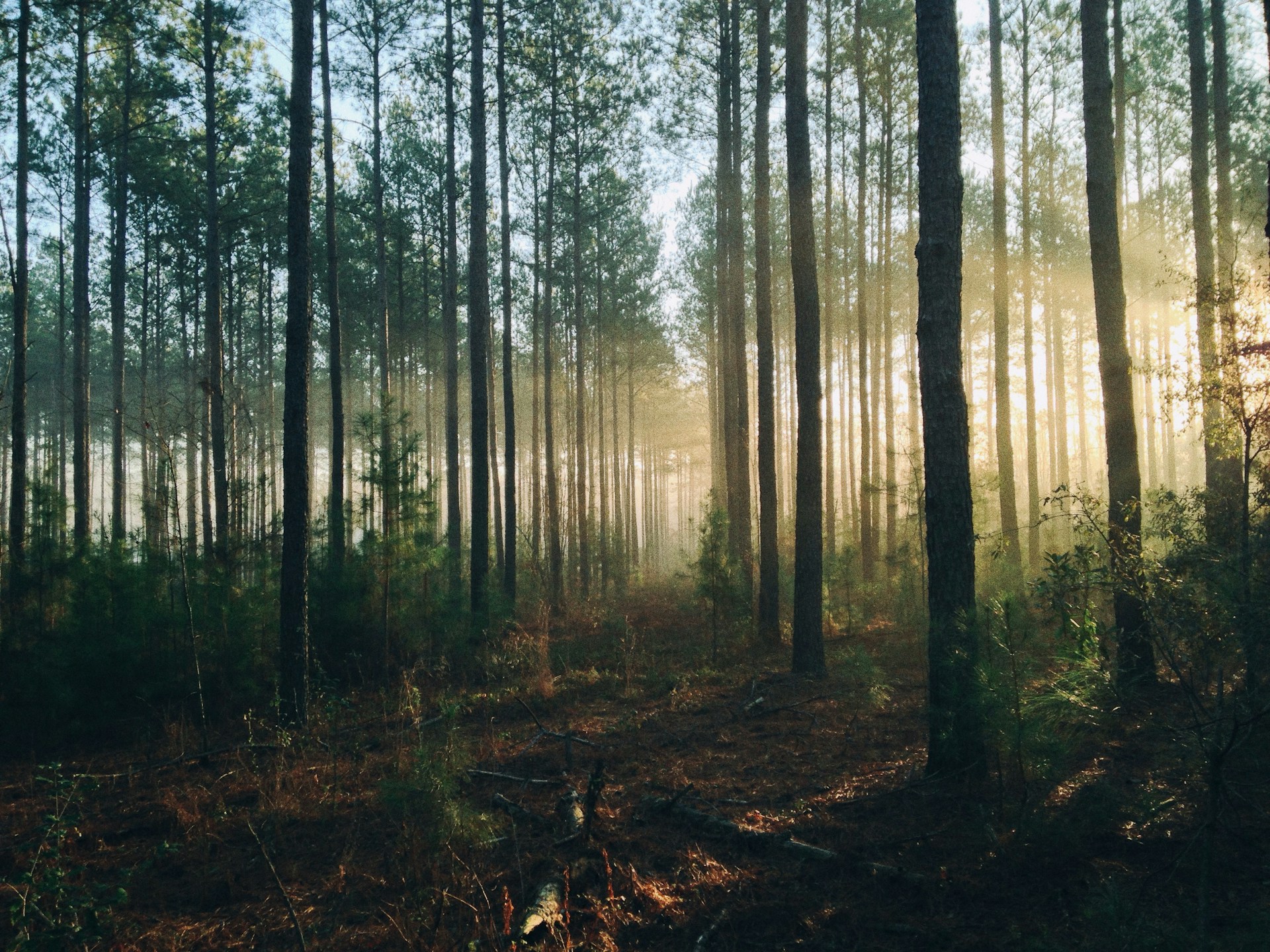
A recent study projects a significant rise in vegetation carbon biomass in India by 2100 driven by elevated CO₂ levels and rainfall variability. The India’s carbon sink targets and forest cover expansion.
Vegetation Carbon Biomass & Carbon Sink in India:
| Dimension | Key Details |
|---|---|
| Predicted Increase | Vegetation carbon biomass is projected to increase by 35% under low-emission scenarios and 97% under high-emission scenarios by 2100. |
| Drivers | Major drivers comprise elevated atmospheric CO₂ aiding photosynthesis and rainfall variability. |
| Regional Growth | More than 60% increase is projected in arid and semi-arid margins such as Rajasthan and Gujarat. |
| NDC Target | India provides for creation of an additional carbon sink of 3.5–4.0 billion tonnes of CO₂ equivalent by 2035 from the 2005 level. |
| Forest Carbon Stock | Total forest carbon stock has increased from 6.94 billion tonnes in 2013 to 7.29 billion tonnes in 2023. |
| Forest and Tree Cover | Total forest and tree cover has increased to 25.17% of India’s geographical area compared to 24.62% in 2021. |
| Green India Mission | The mission provides for expansion of forest and tree cover by 5 million hectares and improvement of another 5 million hectares of forest and non-forest land. |
| National Afforestation Programme | The programme provides for ecological restoration of degraded forests and development of forest resources with people’s participation. |
| CAMPA | The Compensatory Afforestation Fund Management and Planning Authority provides for compensation of forest land diverted for non-forest use. |
| Other Initiatives | Other initiatives comprise Trees Outside Forests in India programme, Bonn Challenge commitment to restore 26 million hectares, Sub-Mission for Agroforestry, Green Credit Programme, and Nagar Van Yojana. |