|
Periodic Labour Force Survey
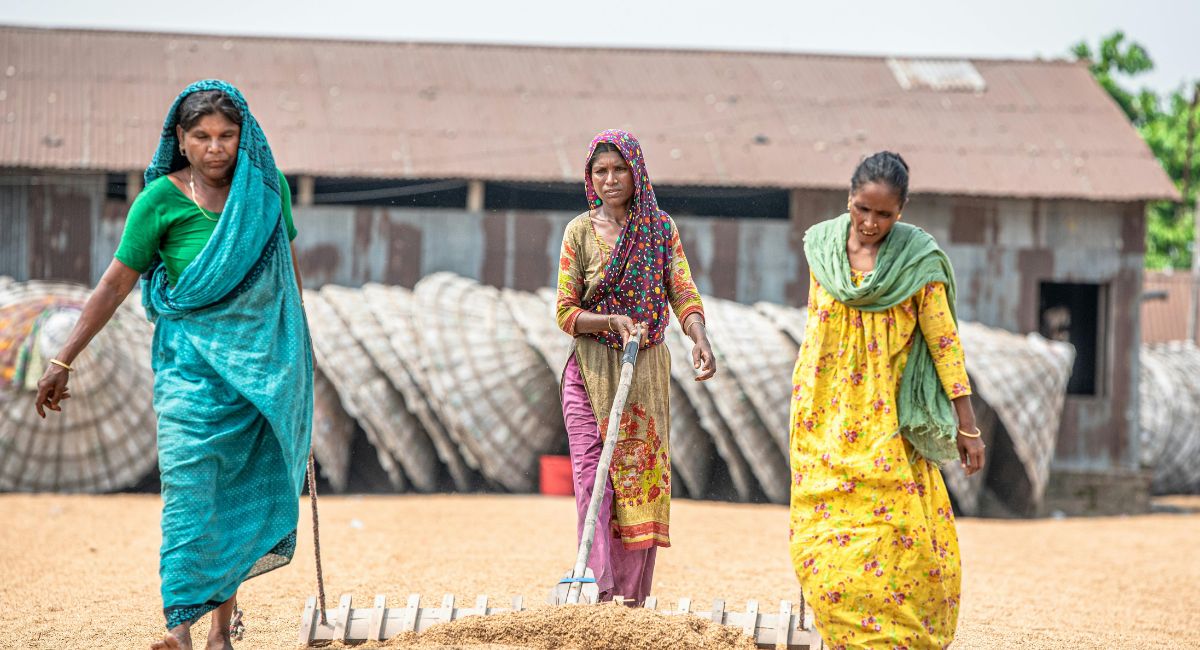
Women’s workforce participation increases, but employment quality remains skewed toward unpaid or low-value work. The issue is currently relevant due to gaps in secure and productive employment for women.
Women’s Labour Force Participation:
| Dimension | Key Details |
|---|---|
| LFPR Definition | Labour Force Participation Rate measures the percentage of the working-age population aged 15 years and above in India’s Periodic Labour Force Survey that is either employed or unemployed. |
| Economic Indicator | LFPR indicates how much of the population is engaged in the labour market. |
| Overall LFPR | The overall Labour Force Participation Rate is 60.1%. |
| Male LFPR | Male LFPR remains far higher, leaving a 60% gap in women’s presence in the job market. |
| Female LFPR | Female LFPR has risen to 40% in 2025, driven mainly by rural areas. |
| Nature of Work | The rise reflects informal or distress-driven work rather than quality employment. |
| Unpaid Helper Roles | Women are concentrated in family-based agriculture or enterprises. |
| Self-Employment | Self-employment dominates due to limited access to regular salaried jobs, especially in rural areas. |
| Urban Exclusion | Urban women face higher barriers to paid work despite education gains. |
| Domestic Burden | The share of women in unpaid domestic duties remains high at 37.4%. |
| Policy Interventions | Policy interventions comprise strengthening Mahila Shakti Kendras and expanding crèches under the National Creche Scheme. |
| Skill Development | Skill development focuses on training in the digital economy, green jobs, and entrepreneurship. |
| Infrastructure | Infrastructure measures comprise safe transport, workplace childcare, and flexible work arrangements. |
| Legal Measures | Legal measures comprise equal pay enforcement, expanded maternity and paternity leave, and incentives for women’s hiring in the formal sector. |
| Social Change | Social change comprises awareness campaigns to reduce unpaid domestic burden and redistribute household work. |