|
Salween River Arsenic Contamination
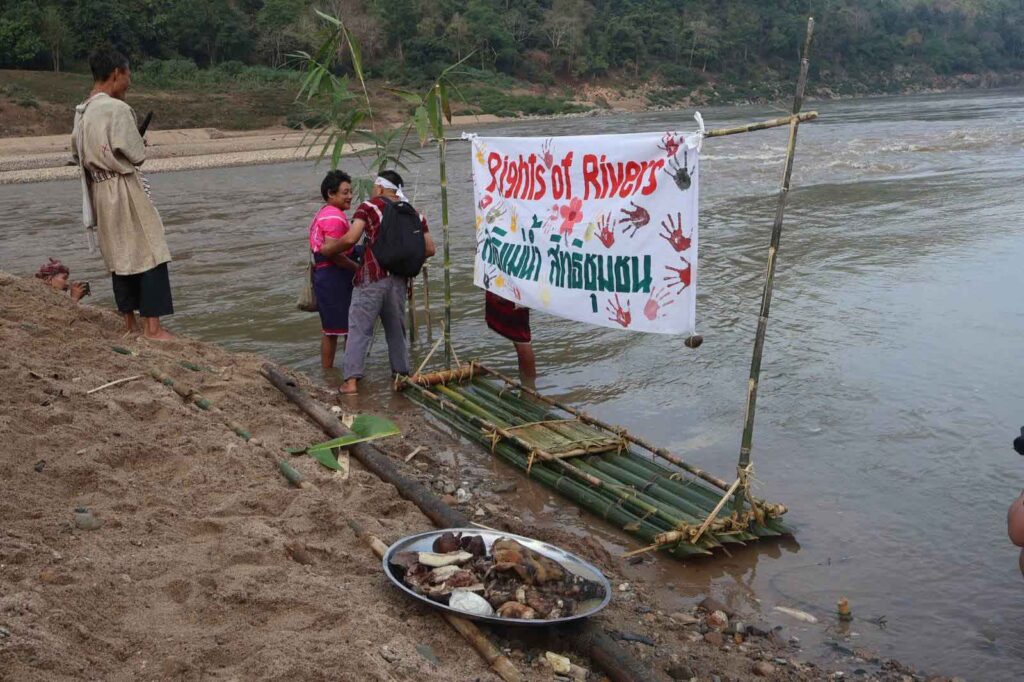
Independent testing reveals high levels of arsenic contamination in the Salween River in September 2025. The issue is currently relevant due to transboundary pollution concerns across the Myanmar–Thailand border.
Salween River Contamination:
| Dimension | Key Details |
|---|---|
| Location | The Salween River originates in Tibet, flows through China and Myanmar, forms part of the Myanmar–Thailand border, and drains into the Andaman Sea. |
| River Type | The Salween River is a transboundary free-flowing river system. |
| Length | The Salween River is 3,300 km long and is Asia’s longest undammed river. |
| Ecological and Livelihood Role | The river supports fisheries, irrigation, ethnic Karen and Karenni communities, and a biodiversity hotspot. |
| Contaminants | The study identifies arsenic, cadmium, cyanide, and mercury contamination linked to rare earth and gold mining. |
| Arsenic Levels | Arsenic levels are 5 times above the WHO limit of 0.01 mg/l in water, while tributaries record up to 0.554 mg/l. |
| Mining Method | In situ leaching pumps chemicals underground, dissolves minerals, and releases toxins. |
| Ecological Impact | Fish show sores and deformities, while benthic organisms are harmed by toxic sediments. |
| Agricultural Trade Impact | Thai rice shipment to Australia has been rejected in October 2025 due to arsenic contamination. |
| Community Impact | Karen and Karenni villagers face poor information flow, limited alternatives, and reliance on contaminated water and fish. |
| Transboundary Concern | Pollution flows across the Myanmar–Thailand border and raises diplomatic and environmental governance concerns. |