|
Delhi EV Policy 2026–30
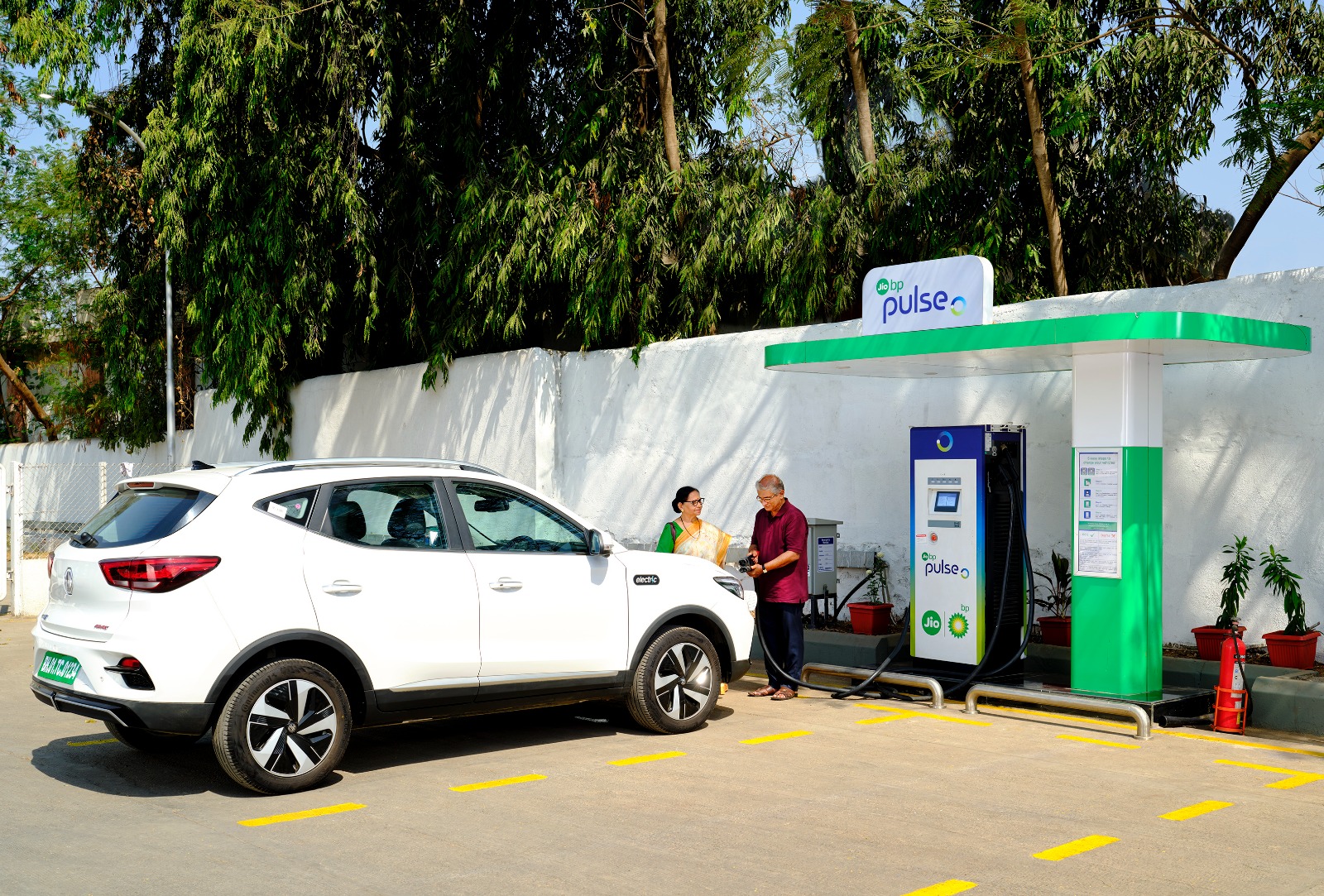
The Delhi government provides for the Delhi EV Policy 2026–30, which applies in NCT of Delhi from July 1, 2026 to March 31, 2030. The policy provides for consumer incentives, charging infrastructure expansion, and ecosystem investments, and mandates EV-only registration deadlines for specified vehicle categories.
Delhi EV Policy 2026–30:
| Dimension | Key Details |
|---|---|
| Focus | The policy applies to electric vehicles, specifically 2-wheelers and 3-wheelers. |
| Implementation (Nodal agencies) | The policy implementation is governed by the Department of Transport, NCT of Delhi, and charging infrastructure development is governed by Delhi Transco Ltd. (DTL), in collaboration with the power department and distribution companies. |
| Budget and investment | The policy provides for a ₹7,000 crore budget with an overall investment of ₹15,000 crore. |
| Validity period | The policy applies from July 1, 2026 to March 31, 2030. |
| Air pollution shares cited (NCT Delhi) | In NCT Delhi, air pollution comprises 33% from commercial goods carrier vehicles and 46% from two- and three-wheelers. |
| Dedicated portal | The policy provides for a dedicated EV portal to keep track of purchased and registered vehicles. |
| EV-only registration deadlines | The policy mandates that, from January 1, 2027, only electric three-wheelers and N1 trucks are registered, and from April 1, 2028, only electric two-wheelers are registered. |
| School bus electrification | The policy mandates that school buses convert at least 10% of their fleet to EVs within 2 years of policy notification. |
| Existing fossil-fuel vehicles | The policy authorises existing fossil-fuel vehicles to continue for their full lifecycle. |
| Road tax and registration fee exemption | The policy provides for road tax and registration fee exemption for cars costing up to ₹30 lakh at ex-showroom price. |
| Purchase incentives (2-wheelers) | The policy provides for purchase incentives for two-wheelers: ₹30,000 for the first year, ₹20,000 for the second year, and ₹10,000 for the third year. |
| Purchase incentives (3-wheelers) | The policy provides for purchase incentives for three-wheelers: ₹50,000 for the first year, ₹40,000 for the second year, and ₹30,000 for the third year. |
| Scrapping incentives | The policy provides for scrapping incentives for vehicles below BS-IV emission norms: around ₹10,000 for two-wheelers, ₹25,000 for three-wheelers, and ₹1 lakh for four-wheelers; it also provides for ₹50,000 for N1 trucks and ₹15,000 for Gramin Seva units completing their lifecycle in the coming years. |
| Subsidy (N1 commercial trucks) | The policy provides for a subsidy of up to ₹1 lakh on N1 commercial trucks, mandates application within 30 days of registration, and mandates disbursal via DBT within 60 days; it provides for no subsidy for hybrids. |
| Charging infrastructure targets and funding | The policy mandates installation of 32,000 charging points over the next 4 years, funded under PM e-Drive schemes and the Delhi government budget, and provides for about ₹1,000 crore allocated for charging infrastructure development. |