|
Blue Swimmer Crab
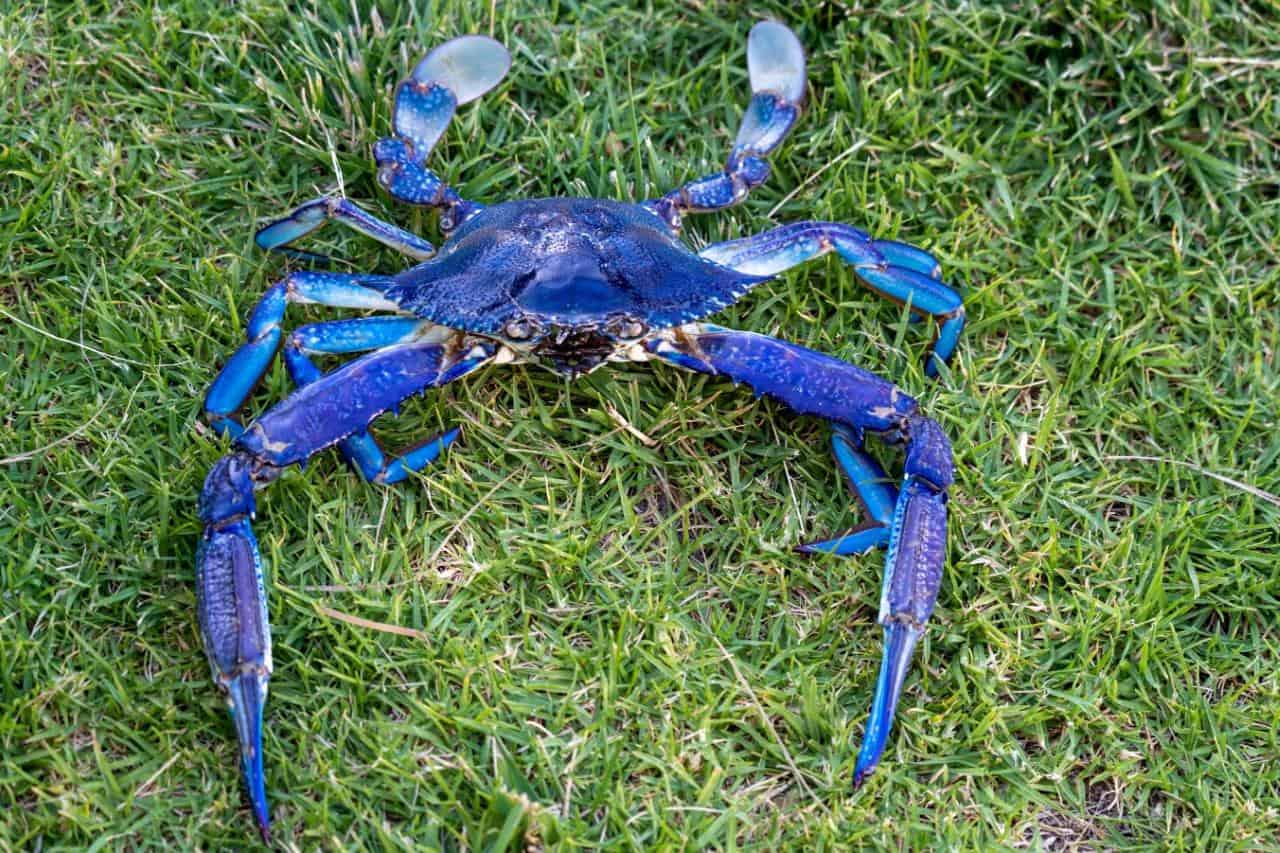
ICAR-Central Institute of Brackishwater Aquaculture (ICAR-CIBA), Chennai, has successfully demonstrated Blue Swimmer Crab (Portunus reticulatus) farming technology for the first time. The development brings focus to the species’ taxonomy, identification features, distribution, and feeding and habitat characteristics.
Blue Swimmer Crab (Portunus reticulatus):
| Dimension | Key Details |
|---|---|
| Taxonomic classification | It is a brachyuran crab in the Portunidae family. |
| Other names | It is also known as the blue crab, blue swimmer crab, blue manna crab, and flower crab. |
| Identification features | It is usually recognized by flat, disc-shaped hind legs used as paddles for swimming, and by 9 spikes or horns along their carapace, on either side of their eyes. |
| Distribution (countries) | It is found in Indonesia, Vietnam, Philippines, China, Japan, Malaysia, Australia, India, Sweden, and Singapore. |
| Distribution (India) | In India, it is distributed all along the east and west coasts, with a dominant fishery at Palk Bay and Gulf of Mannar. |
| Habitat behaviour and tolerance | They stay buried under sand or mud most of the time, particularly during the daytime and winter, which may explain their high tolerance to ammonium (NH4+) and ammonia (NH3). |
| Diet and feeding condition | They come out to feed during high tide on various organisms such as bivalves, fish, and, to a lesser extent, macroalgae. |