|
Blue-Green Algae Can Remove Lead from Water
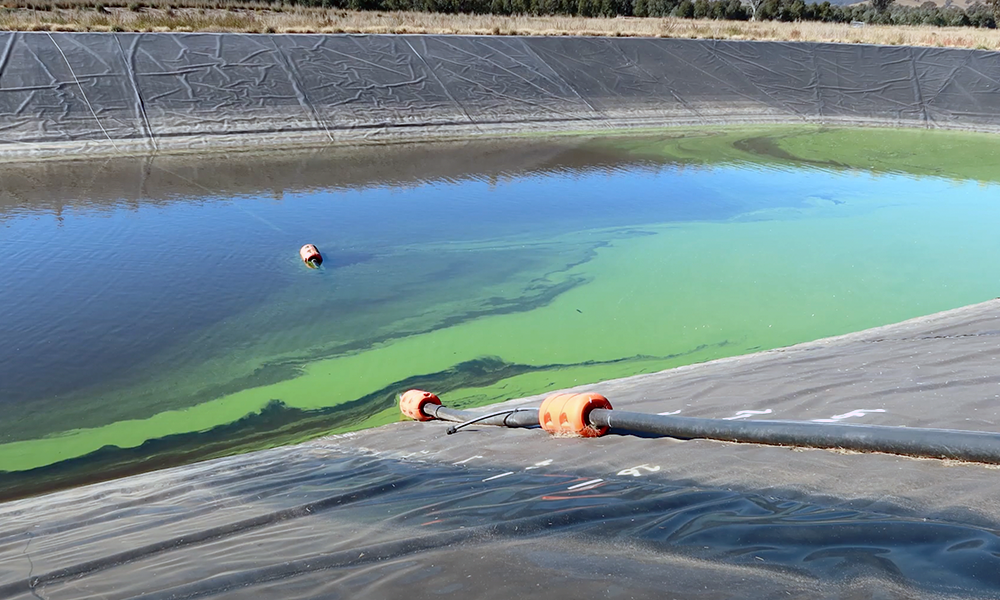
Scientists at IIT Guwahati develop a biological material using cyanobacteria (blue-green algae) that removes lead from contaminated water. The material uses exopolysaccharides (EPS) secreted by algae, and reported efficiency figures make it relevant as a current environment and water-cleaning development.
Cyanobacteria EPS Biomaterial for Lead Removal:
| Dimension | Key Details |
|---|---|
| Cyanobacteria: habitats | Cyanobacteria are commonly found in ponds, lakes, reservoirs, paddy fields, and slow-moving fresh water bodies. |
| Material used | The material comprises exopolysaccharides (EPS), a sticky, sugar-rich substance secreted by algae. |
| EPS mechanism | EPS molecules naturally bind lead, and algae adjust their composition to trap and hold lead particles. |
| Efficiency | EPS can remove 66.2% of lead from contaminated water. |
| Lead: description in article | Lead is described as one of the most toxic heavy metals present in water. |
| Additional benefits of cyanobacteria | Cyanobacteria form cyanolichens with fungi, enrich soil, fix nitrogen as a natural biofertiliser, and boost agricultural productivity. |
| Conventional methods listed | Traditional methods include chemical precipitation, membrane filtration, and ion exchange, and these are described as costly, energy-intensive, and polluting. |
| Biological approaches: characterisation | Biological approaches provide greener, renewable, and eco-friendly alternatives. |