|
Beaver-Engineered Wetlands in Europe
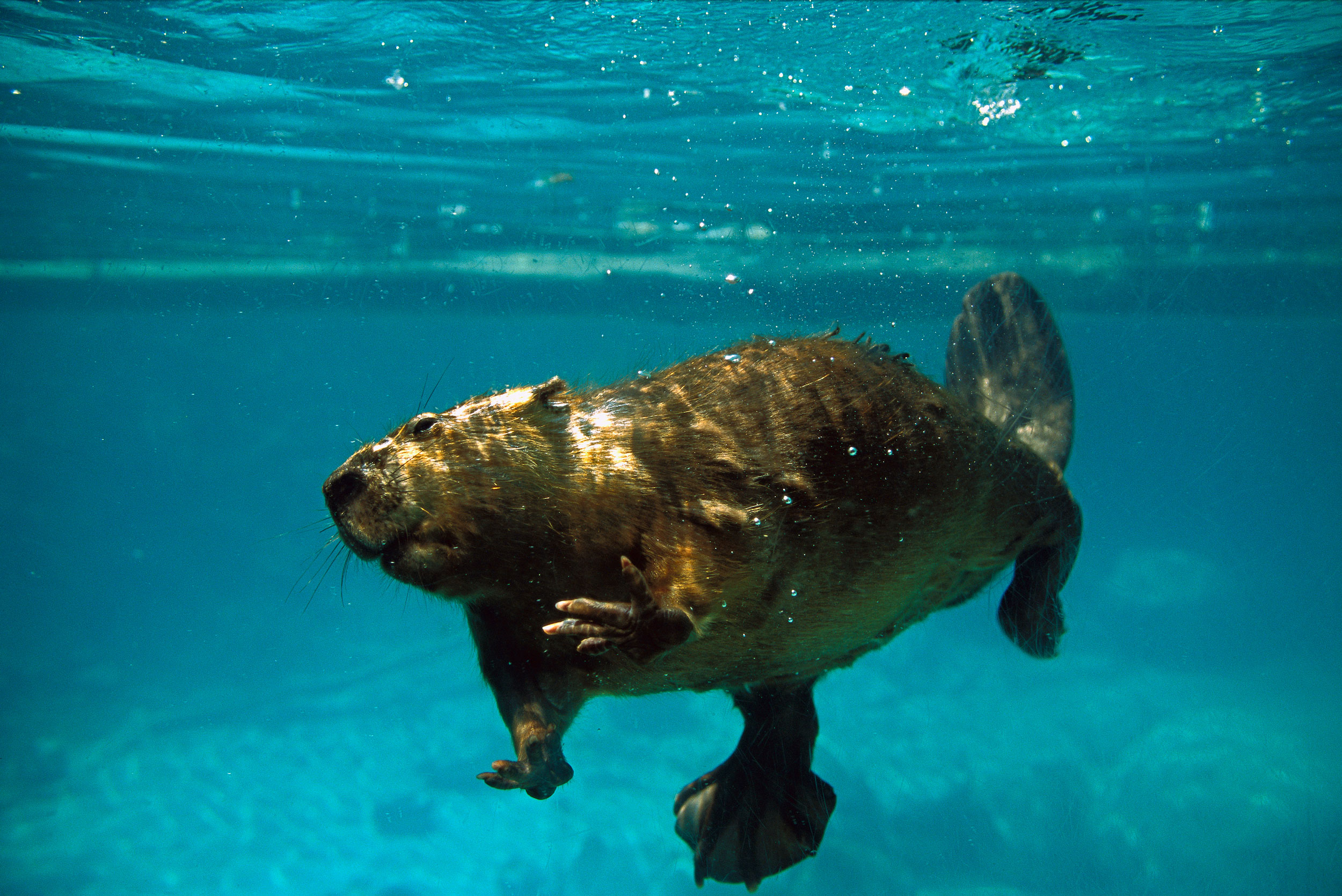
A recent study highlights that beavers can transform riverbeds into carbon sinks by creating wetlands. The finding underscores their role in climate mitigation and ecosystem regulation.
Beavers (Genus Castor):
| Dimension | Key Details |
|---|---|
| Scientific Classification | Genus Castor includes Castor canadensis and Castor fiber |
| Type | Provides semi aquatic rodent species known as ecosystem engineers |
| Size | 2nd largest living rodent after capybara |
| Habitat | Comprises river corridors wetlands and riparian forests in temperate and boreal regions |
| Distribution | Includes Europe North America and parts of Asia with recolonisation in Europe and widespread presence in North America |
| India Context | Historical presence of Manipur beaver Trogontherium cuvieri until around 1905 |
| Ecological Role | Classified as keystone species with disproportionate ecosystem impact |
| Dam Building | Provides construction of dams using mud stones and wood altering hydrology and sedimentation |
| Water Filtration | Dams act as natural filtration systems trapping sediment and removing nitrates and phosphates |
| Carbon Sequestration | Wetlands created by dams trap organic matter and store carbon |
| Disaster Mitigation | Comprises flood control drought resilience and wildfire buffering through water storage and landscape modification |
| Threats | Includes dependence on intact dams seasonal carbon release and human wildlife conflict due to flooding |
| Conservation Status | Both species listed as Least Concern under IUCN Red List |