|
World Health Assembly Recognizes Stroke as Public Health Priority for First Time
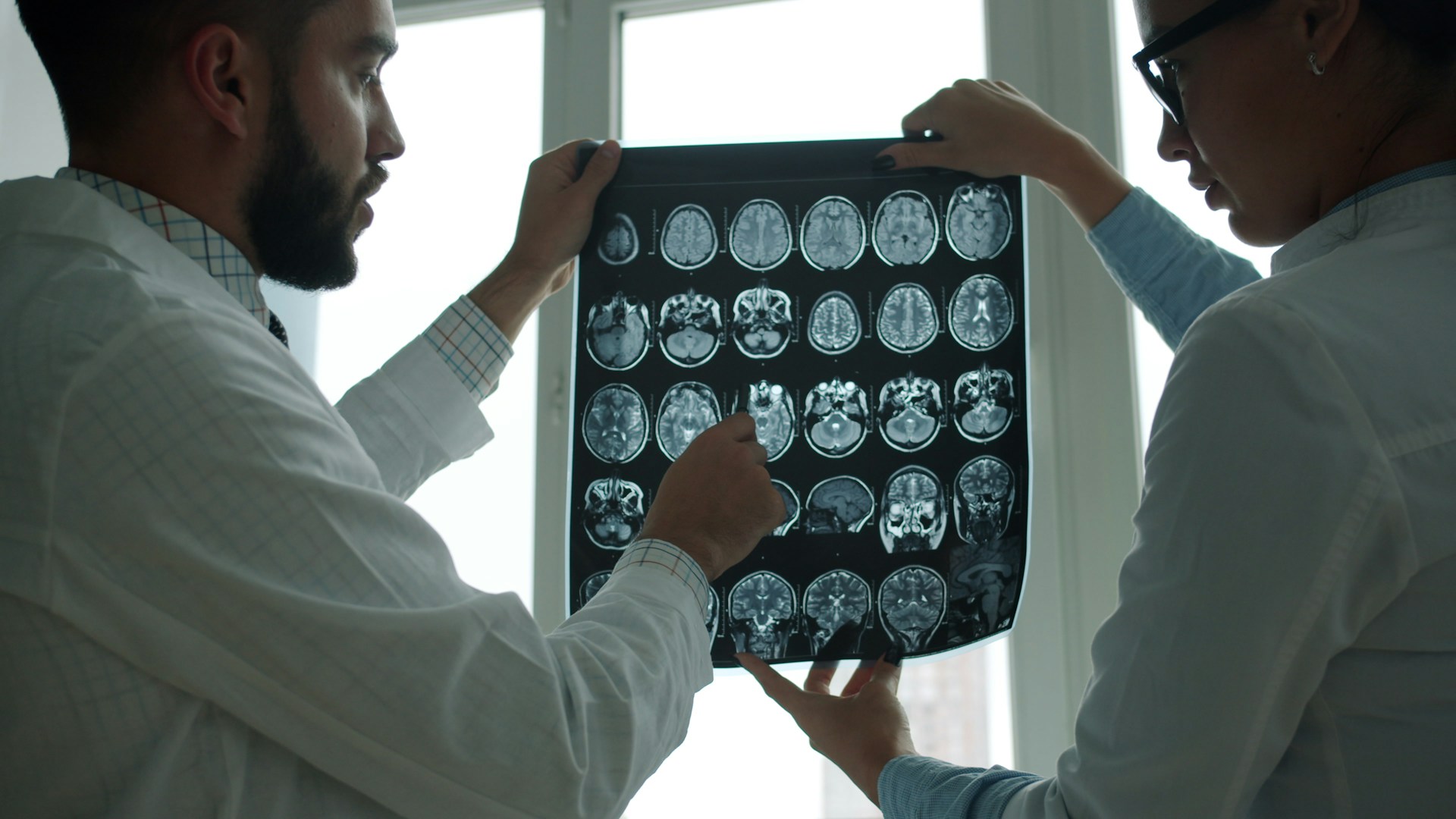
The World Health Assembly has recognized stroke as a public health priority for the first time. The development is significant because stroke is one of the leading causes of death and long-term disability worldwide.
Stroke:
| Dimension | Key Details |
|---|---|
| Definition | Stroke is a medical emergency caused by interruption of blood flow to the brain, resulting in brain cell death. |
| Cause | It occurs due to either blockage of a blood vessel supplying the brain or bleeding within the brain. |
| Ischemic Stroke | The most common type of stroke, caused by a blood clot blocking blood flow to the brain. |
| Hemorrhagic Stroke | Occurs when a blood vessel ruptures, causing bleeding within or around the brain. |
| Transient Ischemic Attack (TIA) | A temporary blockage of blood flow to the brain, often called a “mini-stroke,” with symptoms that resolve quickly. |
| Key Symptoms | Sudden dizziness, vision loss, facial drooping, arm weakness, difficulty speaking, and slurred speech. |
| Diagnosis | Requires urgent evaluation through imaging techniques such as CT scans or MRI scans. |
| Treatment | Includes thrombolytic therapy (clot-busting drugs), emergency medical care, and rehabilitation. |
| Rehabilitation | Physical therapy, speech therapy, and occupational therapy help restore lost functions. |
| Major Risk Factors | High blood pressure, diabetes, smoking, obesity, unhealthy diet, physical inactivity, and excessive alcohol consumption. |
| Prevention | Lifestyle modification, regular exercise, healthy diet, avoiding tobacco, and effective management of hypertension can significantly reduce risk. |
| Public Health Significance | Stroke is a leading cause of mortality and disability worldwide, making early prevention and treatment critical. |