|
Wolf Supermoon 2026: First Supermoon Visible in India on January 3
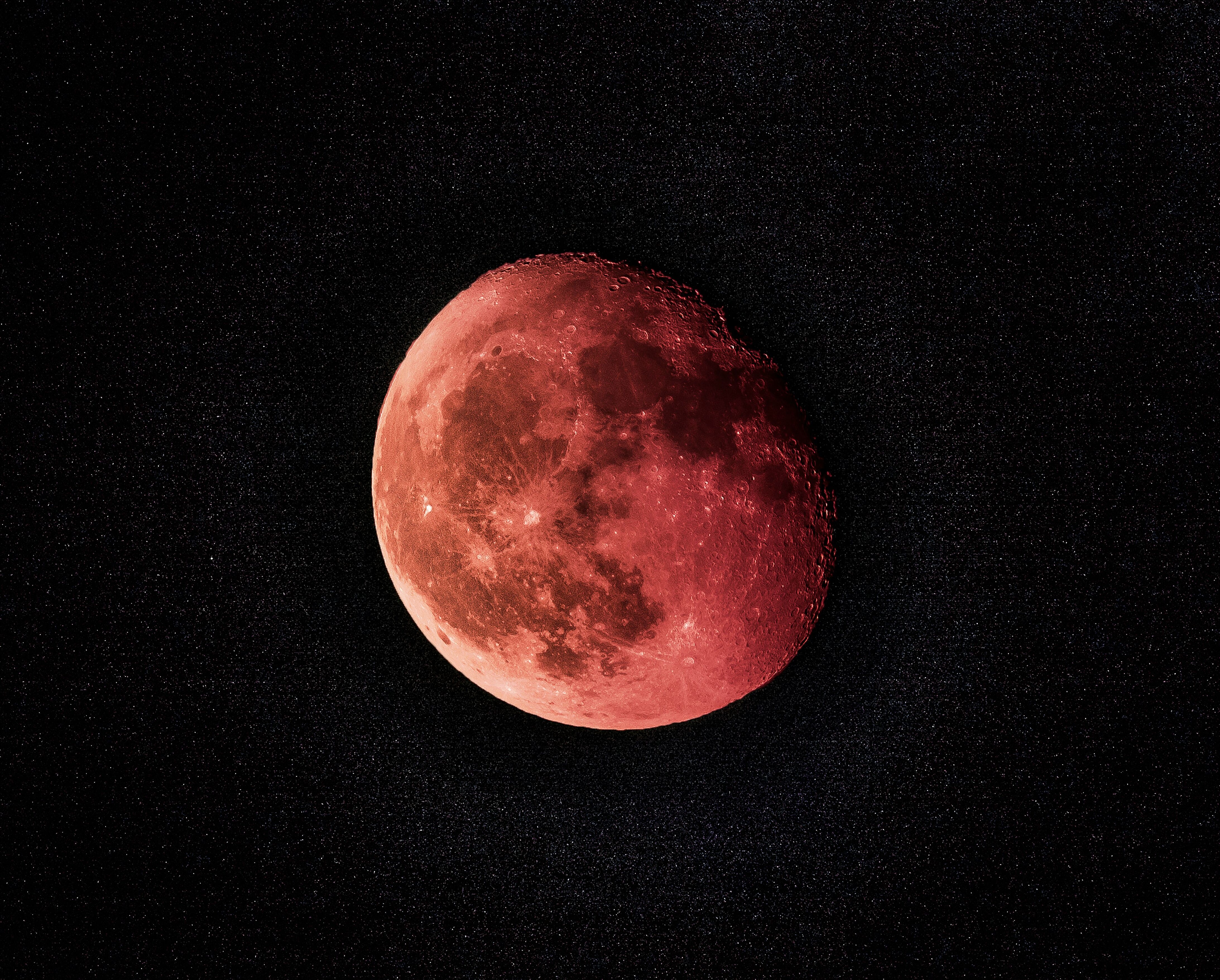
The first supermoon of 2026, called the Wolf Moon supermoon, is visible in India on the evening of January 3, 2026, shortly after sunset. The event is relevant due to its classification as a “supermoon” (full Moon at perigee) and the associated observational features.
Wolf Supermoon (Wolf Moon Supermoon) 2026:
| Dimension | Key Details |
|---|---|
| Current Trigger | First supermoon of 2026 is visible in India on January 3, 2026, shortly after sunset. |
| Wolf Supermoon | Comprises two ideas: wolf moon and supermoon. |
| Wolf Moon (definition) | Traditional name for the first full moon that happens in January. |
| Folklore origin of seasonal moon names | Regulated by calendars and folklore used to track the time of the year before modern calendars; provides for tracking seasons and agricultural cycles. |
| Examples of seasonal full-moon names | Hunter’s Moon, Harvest Moon, Flower Moon. |
| Cultural linkage of “Wolf Moon” | Governed by wintertime stories of wolves howling more often during long, cold nights. |
| Alternate names | Comprises Wolf Moon (Northern Hemisphere folklore) and Moon after Yule (post-Christmas full moon). |
| Supermoon (definition) | Occurs when a full Moon coincides with perigee, the Moon’s closest point to Earth in its orbit. |
| Visual effect of a supermoon | Mandates that the Moon appears larger and brighter in the night sky. |
| Frequency of supermoons | 3 or 4 supermoons every year; rarely 4 in a row. |
| Perigee distance | About 220,000 miles |
| Apogee distance | Around 250,000 miles |
| Brightest and Largest | At its closest, the Moon appeared 30% brighter and 14% larger than the most distant full moon of the year. |
| Appearance near horizon | Orange-yellow hue as the Moon rises near the horizon. |
| Distance | Positioned about 362,641 km away from Earth. |