|
India Bioplastics Market at $500 Million in 2024 Amid Rising Domestic Innovation
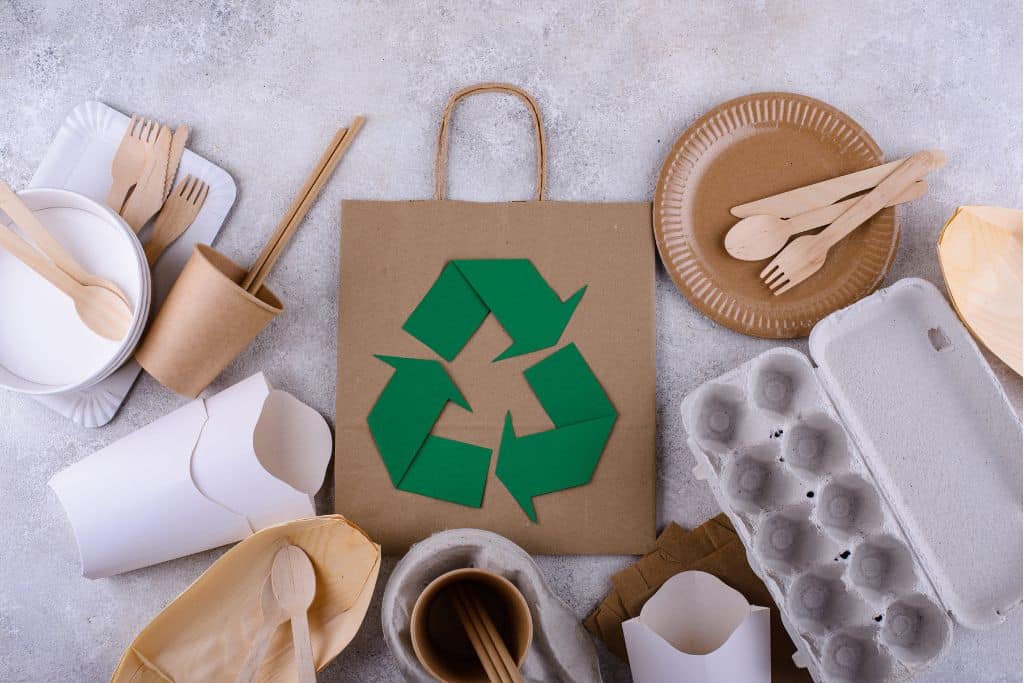
Biomaterials are in focus as cleaner manufacturing processes for consumer products bring biomaterials to the forefront. India’s biomaterials sector shows rapid emergence, with the bioplastics market valued at around $500 million in 2024 amid domestic innovation investments, alongside some technology dependence.
Biomaterials and Bioplastics:
| Dimension | Key Details |
|---|---|
| Definition | Materials derived wholly or partly from biological sources or engineered; uses biological processes; designed to replace or interact with conventional materials. |
| Examples of biomaterials | Plant sugars or starch; bio-based fibres used in textiles; biodegradable sutures and tissue scaffolds used in healthcare. |
| Drop-in biomaterials | Chemically identical materials to petroleum-based materials; usable in existing manufacturing systems; example: bio-PET. |
| Drop-out biomaterials | Chemically different materials; require new processing or end-of-life systems; example: PLA. |
| Novel biomaterials | New properties such as self-healing materials, bioactive implants, and advanced composites. |
| India: need for biomaterials | Provides for reducing dependence on fossil-based imports; waste reduction and environmental sustainability support; generating industrial growth and new income streams for farmers; enabling Indian industry to stay competitive in low-carbon global markets. |
| India: current status (2024) | Market is valued at around $500 million in 2024; comprises major investments in domestic innovation though some technology dependence remains. |
| EU: regulatory development | Provides for a binding Packaging and Packaging Waste Regulation recognising the benefits of compostable packaging. |
| UAE: industrial development | Development of the world’s largest PLA facility. |
| U.S.: programme and mechanism | Leadership in biomaterials through advanced technologies and federal procurement via the USDA BioPreferred programme. |