|
Union Government Cuts Basic Customs Duty on Edible Oils
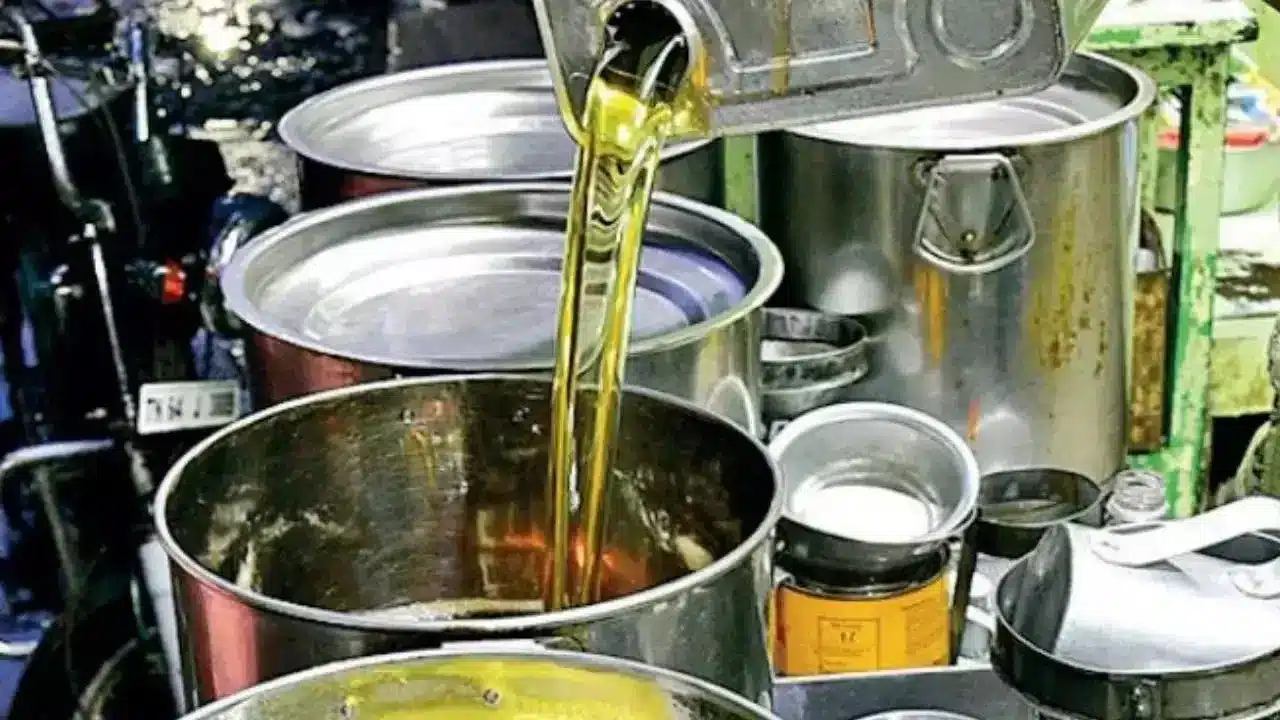
The Union Government regulates Basic Customs Duty (BCD) on major imported edible oils from September 24, 2026, citing rising international prices and the need to moderate domestic food inflation. The change applies ahead of the festival season, when demand for edible oils is expected to rise, and it maintains a duty differential between crude and refined edible oils.
Basic Customs Duty on Imported Edible Oils:
| Dimension | Key Details |
|---|---|
| Coverage | The BCD change applies to major imported edible oils, covering crude and refined edible oils. |
| Duty differential | The import duty structure maintains a 19.25% differential between crude and refined edible oils. |
| Domestic refining linkage | The maintained crude-refined duty differential provides for an incentive for domestic refining. |
| International price indicator cited | As per the FAO Food Price Index, the vegetable oil price index averages 196.9 points in August 2026, which comprises a 0.6% increase over July and represents the highest level since June 2022. |
| Drivers of international price rise | The cited increase comprises higher global palm and soybean oil prices; international palm oil prices are affected by strong global import demand and concerns over the potential impact of El Niño-related weather conditions on production in Southeast Asia. |
| Festival-season demand pattern | During the festival period, edible oil demand comprises household consumption and demand from the sweets, snacks, food-service, and hospitality sectors. |
| Industry body | The Indian Vegetable Oil Producers’ Association (IVPA) states that lower duties provide for improved landed cost of imported oils and support availability during higher demand. |
| Consumer-price rationale | The duty change provides for moderation of domestic food-price pressures by reducing the landed cost component linked to import duties. |
| Farmer concerns and organisations | Domestic oilseed farmers state that cheaper imports can reduce competitiveness of domestically produced oilseeds, covering soybean, sunflower, groundnut, and oil palm; the All India Kisan Sabha criticises the move as adversely affecting oilseed farmers and conflicting with the objective of edible-oil self-sufficiency. |