|
Study Flags Rising Black Carbon Emissions From Satellite Launches
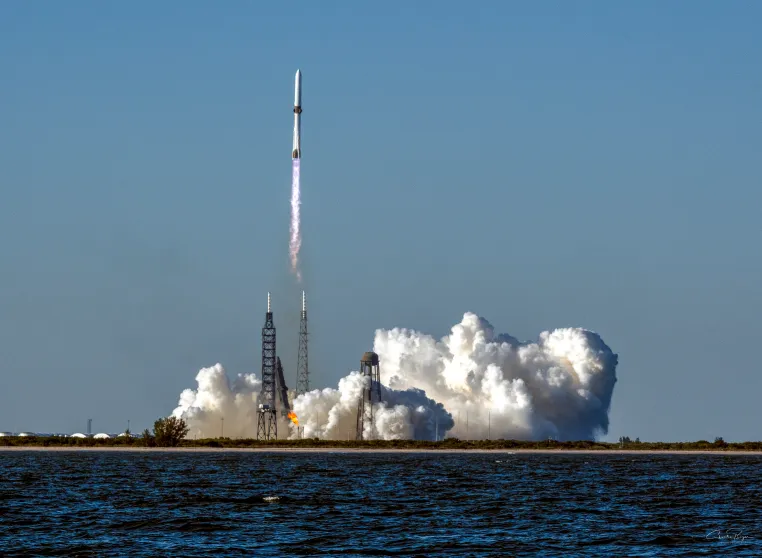
A study finds that the rapid rise in satellite launches since 2019 is causing black carbon pollution in the upper atmosphere. The issue is concerned for climate impacts and ozone-layer concerns linked to space activity.
Black Carbon from Satellite Launches:
| Dimension | Key Details |
|---|---|
| Black Carbon | Black carbon is a component of fine particulate air pollution or PM2.5. |
| Formation | Black carbon forms through incomplete combustion of wood, waste, and fossil fuels. |
| Source in News | The increase in satellite launches since 2019 is causing black carbon or soot pollution in the upper atmosphere. |
| Sunlight Impact | Deposition of soot particles reduces the amount of sunlight reaching the Earth’s surface. |
| Climate Impact | Soot from satellite launches remains longer in the upper atmosphere and has a 500-fold greater climate impact than soot from earthbound sources. |
| Ozone Impact | Satellite launches can release chemicals such as chlorine that degrade ozone by reacting directly with it. |