|
Serum Institute of India to Manufacture Birsa-101
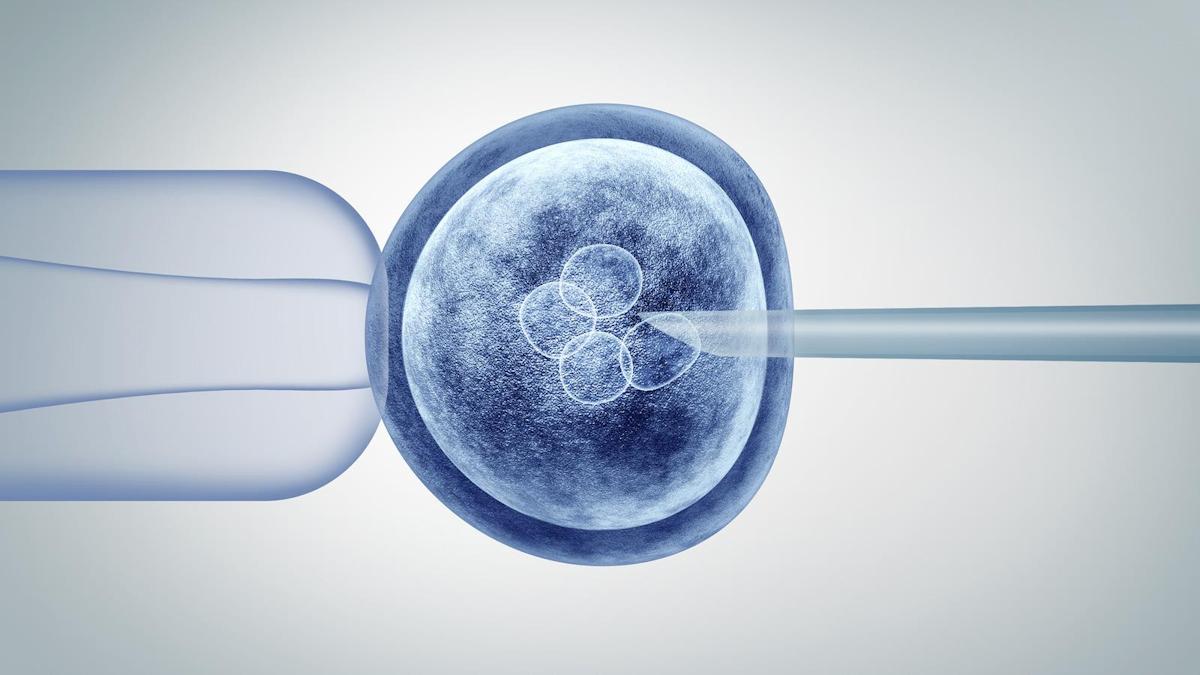
The Ministry of Tribal Affairs, CSIR, and CSIR-IGIB hold a workshop on Birsa-101 during Janjatiya Gaurav Utsav 2026. Birsa-101 is currently relevant as India’s first indigenous CRISPR-based gene therapy for sickle cell disease.
Birsa-101 Gene Therapy:
| Dimension | Key Details |
|---|---|
| Birsa-101 | Birsa-101 is India’s first indigenous CRISPR-based gene therapy for sickle cell disease. |
| Full Form of CRISPR | CRISPR stands for Clustered Regularly Interspaced Short Palindromic Repeats. |
| Nomenclature | Birsa-101 is named after Bhagwan Birsa Munda, marking his 150th birth anniversary. |
| Developed By | The therapy has been developed by CSIR-IGIB with support from the Ministry of Tribal Affairs. |
| Manufacturing | The technological framework has been transferred to Serum Institute of India for manufacturing. |
| Technology Used | Birsa-101 uses engineered enFnCas9, a sharper and safer molecular tool than SpCas9 used in Casgevy. |
| enFnCas9 | enFnCas9, or enhanced Francisella novicida Cas9, is a next-generation CRISPR platform engineered for high specificity and efficiency. |
| SpCas9 | SpCas9, or Streptococcus pyogenes Cas9, is the most widely used CRISPR-Cas9 genome editing enzyme. |
| Safety Feature | Genome-wide assays showed up to 1,000-fold fewer off-target events compared to conventional CRISPR tools. |
| Mechanism | Birsa-101 corrects the single genetic mutation causing sickle cell disease. |
| Stem Cell Editing | The therapy extracts and edits blood-forming stem cells from the patient’s bone marrow to fix the defect. |
| Therapeutic Outcome | Engrafted edited cells can produce healthy blood for the patient’s lifetime, subject to long-term clinical follow-up. |
| Affordability | Birsa-101 is designed to be more affordable than foreign gene therapies such as Casgevy and Lyfgenia. |
| National Mission Linkage | India aims to eliminate sickle cell disease by 2047, with focus on tribal belts such as Jharkhand, Chhattisgarh, Madhya Pradesh, and Odisha. |
| Sickle Cell Disease | Sickle cell disease is a hereditary blood disorder caused by a single genetic error that makes red blood cells sickle-shaped. |
| Disease Impact | Sickled red blood cells clog blood vessels, causing oxygen starvation, painful crises, and long-term organ damage. |
| CRISPR Function | CRISPR works like molecular scissors, using Cas9 protein guided by RNA to cut defective DNA and enable correction. |