|
U.S.Cuts Tariffs on Indian Exports
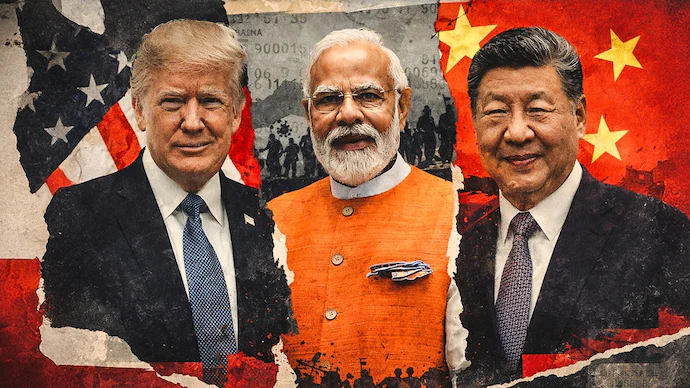
India and the United States enter a trade understanding under which India commits to importing goods worth $100 billion annually from the U.S. for five years. The U.S. provides for tariff reduction on Indian goods to 18% from 50%, bringing the issue into focus due to immediate market-access implications for Indian exports.
India-U.S. Trade Understanding (Trade Deal 2026):
| Dimension | Key Details |
|---|---|
| Parties | India and the United States |
| Import commitment (India) | Importing U.S. goods worth $100 billion annually for five years |
| Import level | $45.62 billion imported in FY25 (commitment mentioned as more than double this level) |
| Imports covered | Energy products (oil, gas, coal); aircraft and aircraft parts; technology and high-value manufactured goods; precious metals; nuclear-related equipment; selected agricultural products |
| Tariff change | Tariffs on Indian goods reduced to 18% from 50% |
| Export sectors | Engineering goods; textiles; auto components |
| Sensitive sectors explicitly | Genetically modified agricultural products; dairy sector; poultry; maize; cereals; corn |
| Agriculture access framework | Quota-based or limited access allowed for cotton, pulses, chestnuts, and onions |
| Additional market | Market access extended to apples, wine, spirits, and beer; these products are mentioned as already permitted under trade agreements with partners like the EU and New Zealand |
| Prior tariff escalation cited | In August 2025, the U.S. raised tariffs on Indian goods to 50%, citing trade imbalances |
| Nature of arrangement | Stops short of a full-fledged Free Trade Agreement (FTA); dispute resolution mechanisms and long-term enforceability are mentioned as uncertain |