|
Prevention of Insults to National Honour (Amendment) Bill, 2026
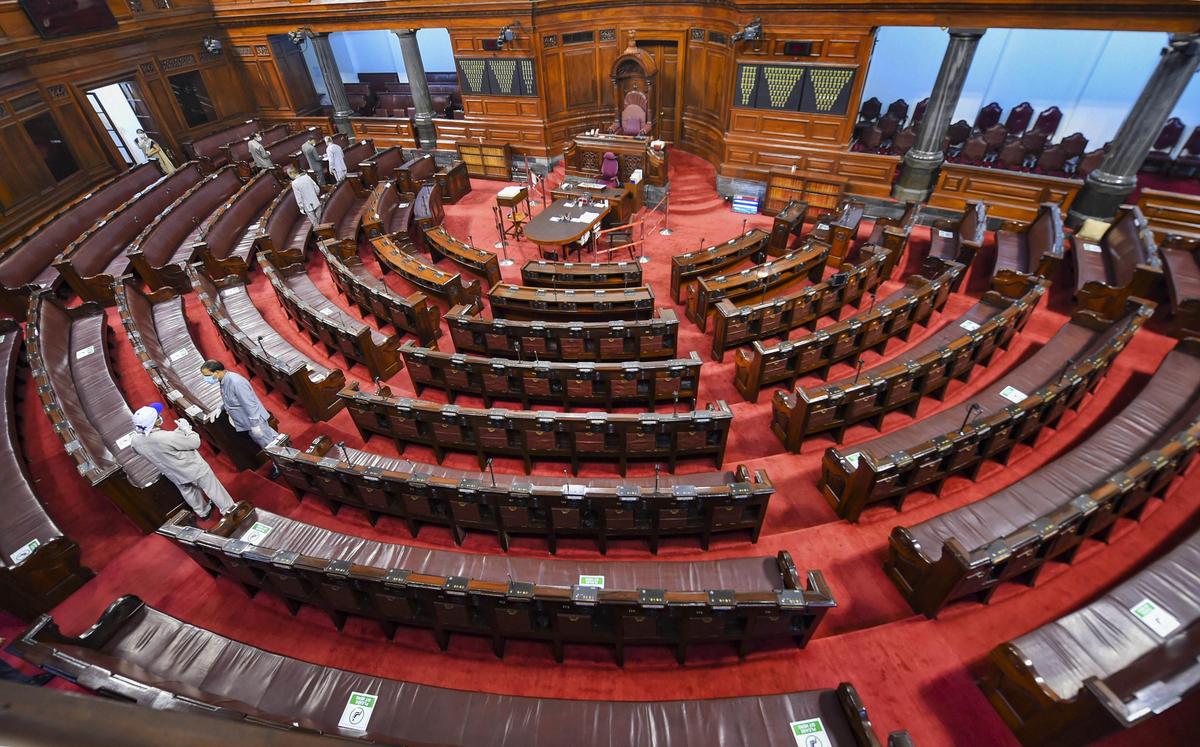
Union Home Minister is set to introduce the Prevention of Insults to National Honour (Amendment) Bill, 2026 in the Rajya Sabha. The Bill provides for extending statutory protection to the national song Vande Mataram, placing it on par with the national anthem Jana Gana Mana under the Prevention of Insults to National Honour Act, 1971.
Prevention of Insults to National Honour (Amendment) Bill, 2026:
| Dimension | Key Details |
|---|---|
| Legal basis | The Bill provides for placing the national song Vande Mataram on par with the national anthem Jana Gana Mana under the Prevention of Insults to National Honour Act, 1971. |
| National song | Vande Mataram is authored by Bankim Chandra Chatterjee. |
| Existing law provision | Section 3 of the Prevention of Insults to National Honour Act, 1971 criminalises intentionally preventing the singing of the national anthem or disturbing assemblies engaged in such singing. |
| Punishment | The Act provides for punishment up to 3 years imprisonment or fine, or both. |
| Court observation | A court states that proper respect is shown by standing, and refusal to sing does not amount to disrespect. |
| Case law | Bijoe Emmanuel v. State of Kerala (1986) is ruled by the Supreme Court to hold that expelling students for refusing to sing the national anthem violates Article 19(1)(a) and Article 25(1). |
| Constitutional Articles cited | Article 19(1)(a) provides for freedom of speech and expression, and Article 25(1) provides for freedom of religion. |