|
Pradhan Mantri Kisan Samman Nidhi
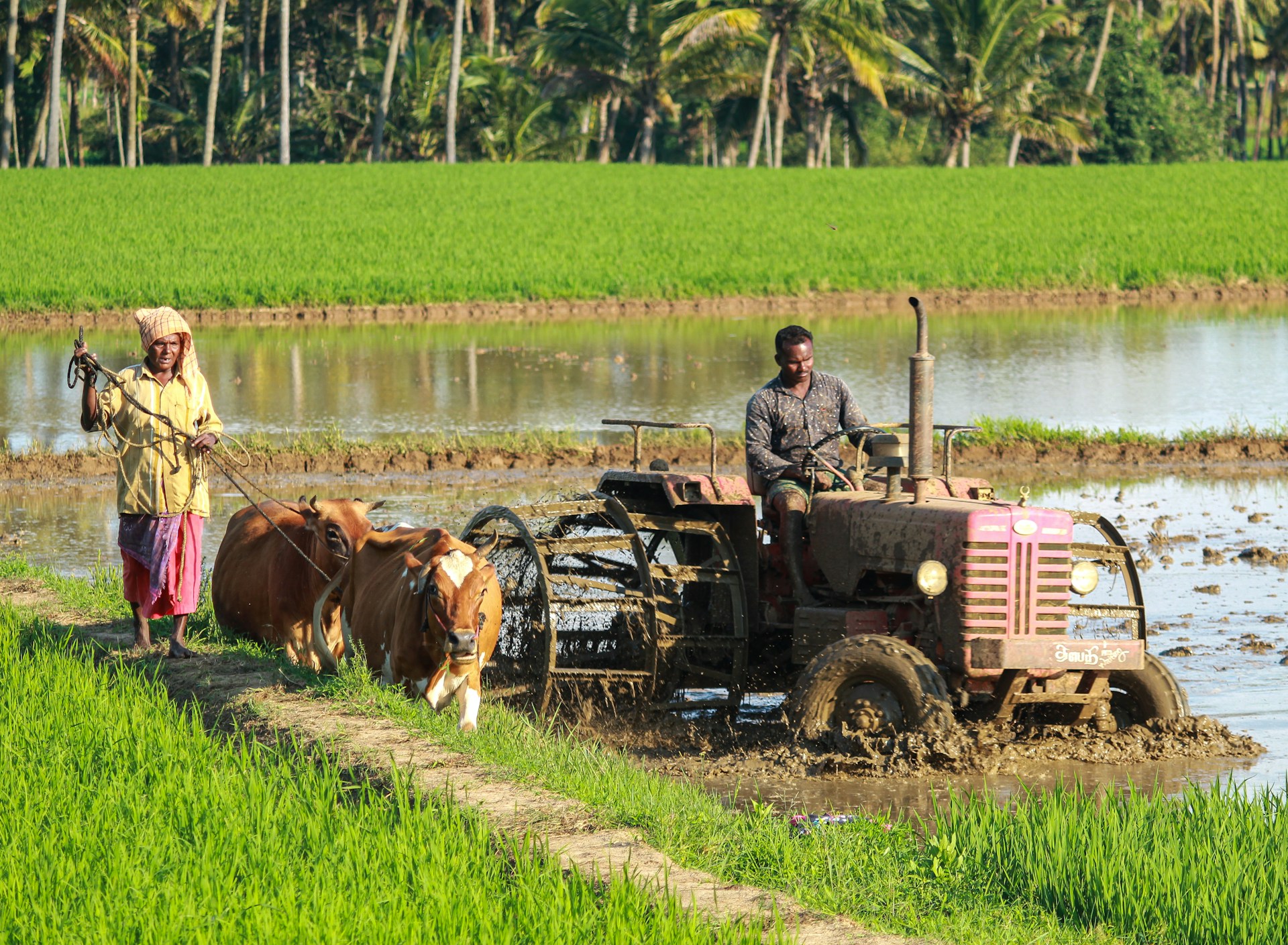
The Prime Minister recently released the 22nd instalment of the Pradhan Mantri Kisan Samman Nidhi (PM-KISAN) scheme, which provides direct income support to landholding farmer families across India.
PM-KISAN Scheme :
| Aspect | Key Details |
|---|---|
| Scheme Name | Pradhan Mantri Kisan Samman Nidhi (PM-KISAN). |
| Launch Year | Launched in 2019. |
| Type of Scheme | Central Sector Scheme with 100% funding by the Union Government. |
| Nodal Ministry | Ministry of Agriculture and Farmers Welfare. |
| Implementing Agency | Department of Agriculture and Farmers Welfare. |
| Aim | To provide income support to landholding farmer families and help meet agricultural input costs and domestic needs. |
| Definition of Farmer Family | Husband, wife and minor children owning cultivable land as per land records of the State/UT. |
| Financial Benefit | ₹6,000 per year provided to eligible farmers. |
| Instalment Pattern | Paid in three equal instalments of ₹2,000 each (April–July, August–November, December–March). |
| Transfer Mode | Direct Benefit Transfer (DBT) directly into farmers’ bank accounts. |
| Coverage | Initially for small and marginal farmers; later expanded to include all landholding farmer families. |
| Exclusions | Institutional landholders, government employees and professionals are excluded. |
| Centre’s Role | Provides funding and digital infrastructure. |
| States/UTs Role | Identify and verify eligible beneficiaries. |
| Registration | Self-registration via web/mobile portals, Common Service Centres, and State government offices at block/tehsil level. |
| Digital Tools | Kisan Suvidha App provides weather updates, market prices, fertiliser information and PM-KISAN status tracking. |