|
Palamu Tiger Reserve
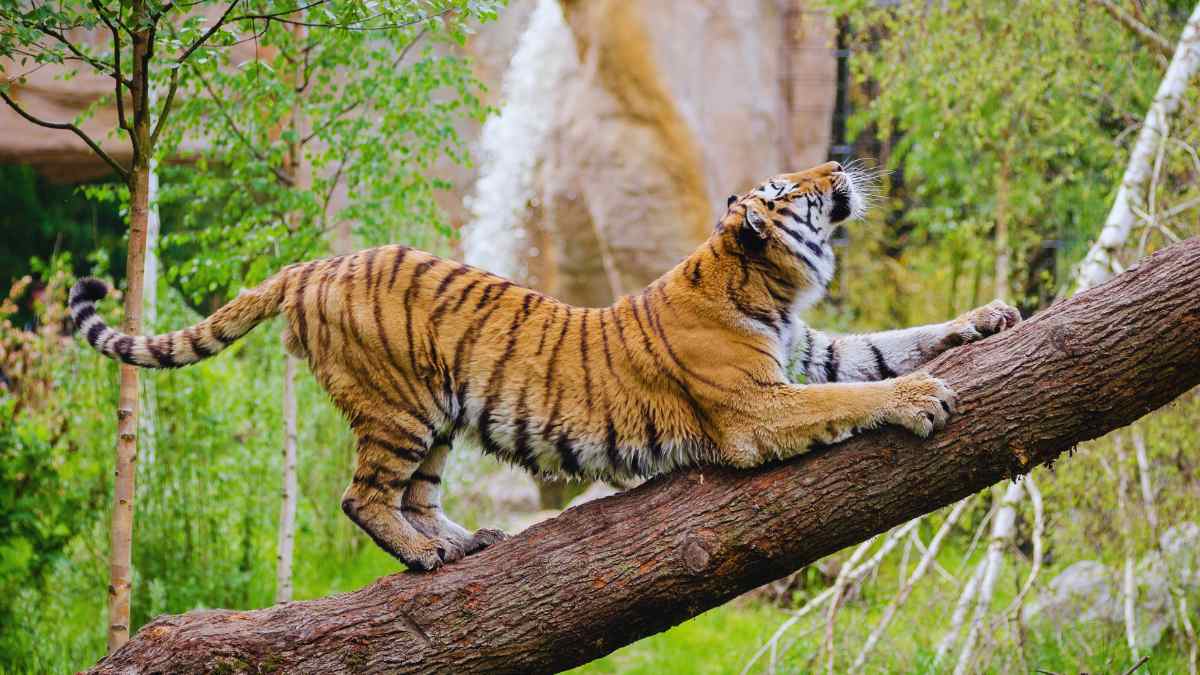
Palamu Tiger Reserve in Jharkhand is set to establish India’s first AI-powered human-elephant conflict research centre. The initiative is for proactive wildlife management and early warning systems in conflict-prone villages.
Palamu Tiger Reserve:
| Dimension | Key Details |
|---|---|
| AI Research Centre | Palamu Tiger Reserve is set to establish India’s first AI-powered human-elephant conflict research centre. |
| Aim | The centre provides for transition from reactive wildlife management to proactive AI-driven wildlife management. |
| Audio Decoding | AI models will decode elephant vocalisations and distress alerts linked with grazing, danger, or delivery. |
| Predictive Tracking | AI will track seasonal migratory corridors and behavioural patterns to create automated early warning systems for nearby villages. |
| Uniform Framework | The centre provides for a data-driven matrix using captive elephants to assess herd-human behavioural dynamics and refine mitigation strategies. |
| Location | Palamu Tiger Reserve is located on the Chhotanagpur Plateau in Jharkhand. |
| Protected Forest Status | Palamu was constituted as a protected forest in 1947. |
| Project Tiger Linkage | Palamu is one of the original 9 tiger reserves designated at the launch of Project Tiger in 1974. |
| Forestry Management | The reserve’s scientific forestry management dates back to 1864 under Dr. Anderson. |
| Total Area | The total area of Palamu Tiger Reserve is 1,129.93 sq. km. |
| Core Area | The core area or Critical Tiger Habitat is 414.08 sq. km and fully encompasses Betla National Park. |
| Betla National Park | Betla National Park covers 226.32 sq. km within the core area of Palamu Tiger Reserve. |
| Buffer Area | The buffer area of Palamu Tiger Reserve is 715.85 sq. km. |
| Drainage | The reserve is drained by the North Koel and Burha rivers, along with seasonal torrents such as Auranga, Satnadi, and Sukri. |
| Geological Feature | The reserve contains a geological half-lock spring called Taru. |
| Climate Zone | The reserve is located in a rain-shadow zone. |
| Biodiversity | The reserve hosts leopards, elephants, sloth bears, gaur, tigers, and Indian wolves. |