|
Conocarpus erectus in India
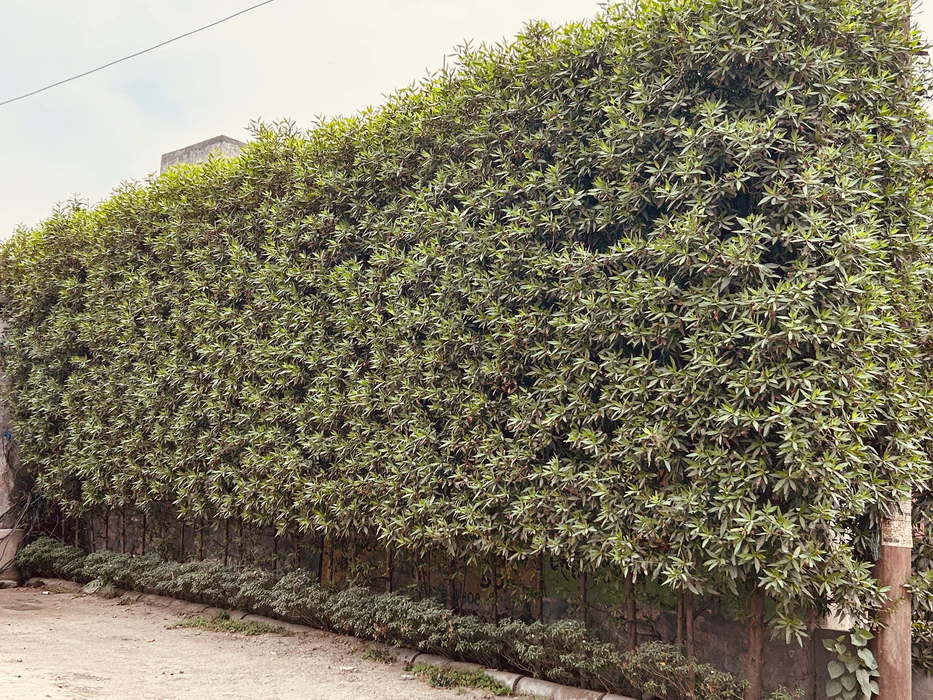
Ecologists warn against planting Conocarpus erectus along highways and medians in Tamil Nadu due to its invasive growth and public health risks. The Gujarat and Telangana have already banned its plantation.
Conocarpus erectus:
| Dimension | Key Details |
|---|---|
| Common Name | Conocarpus erectus is commonly known as Buttonwood or Button mangrove. |
| Scientific Name | The scientific name is Conocarpus erectus. |
| Taxonomy | It belongs to Kingdom Plantae, family Combretaceae, and genus Conocarpus. |
| Native Range | The species is native to tropical America and Mexico. |
| Introduction in India | It was introduced in India for urban afforestation and highway greening projects. |
| Growth | It grows extremely fast and remains lush even during harsh summers. |
| Foliage | Its dense canopy can obstruct streetlights, signage, and cameras. |
| Root System | Its invasive roots can penetrate concrete, pipelines, cables, and sewage networks. |
| Water Use | It extracts large volumes of water and may deplete groundwater and dry nearby agricultural soil. |
| Health Risk | Its airborne winter pollen is linked to allergies, chronic cough, and asthma. |
| State Action | Gujarat and Telangana have banned its plantation due to invasive and health-related concerns. |
| Sustainable Alternatives | Native species such as Neem, Peepal, Pongam, and Banyan are preferred for shade, ecological balance, and sustainable greening. |