|
Open-Cast Mining threat near Telangana’s Ramappa Temple
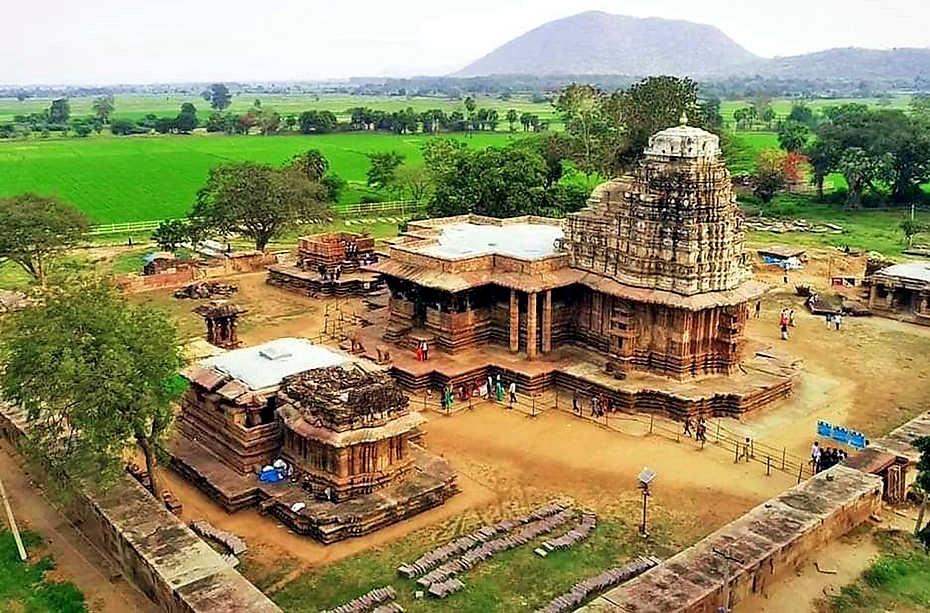
The Kakatiya Heritage Trust expresses concern over a proposed open-cast mining project by Singareni near Telangana’s Ramappa Temple. The concern is that the project could pose a threat to the UNESCO World Heritage-listed Ramappa Temple and Ramappa Lake.
Ramappa Temple:
| Dimension | Key Details |
|---|---|
| Location | The Ramappa Temple is located in the state of Telangana. |
| Construction period and patronage | The Ramappa Temple is constructed in 1213 AD during the reign of the Kakatiya Empire by Recharla Rudra, a general of Kakatiya king Ganapati Deva. |
| Alternative name | The Ramappa Temple is also known as the Rudreswara Temple. |
| Presiding deity | The presiding deity of the temple is Ramalingeswara Swamy. |
| Naming | The temple gets its name Ramappa from its chief sculptor Ramappa. |
| Distinctive naming feature | The Ramappa Temple is probably the only temple in India that is named after the architect. |
| UNESCO World Heritage status | The temple has been inscribed as a UNESCO World Heritage Site in 2021 as “Kakatiya Rudreshwara (Ramappa) Temple, Telangana”. |
| Architectural materials and elements | The temple comprises decorated beams and pillars of carved granite and dolerite, and a distinctive pyramidal Vimana (horizontally stepped tower) made of lightweight porous bricks. |
| Platform and carvings | The temple stands on a 6 feet high star-shaped platform with walls, pillars, and ceilings adorned with intricate carvings. |
| Earthquake-resistance feature | The bricks used in building the gopuram are made out of clay mixed with acacia wood, chaff, and myrobalan fruit, and are light enough to float on water. |
| Construction technique | The temple construction is done using the sandbox technique, where the foundation pit is filled with a mixture of sand-lime, jaggery, and black myrobalan fruit. |