|
OECD-FAO Agricultural Outlook 2026–2035
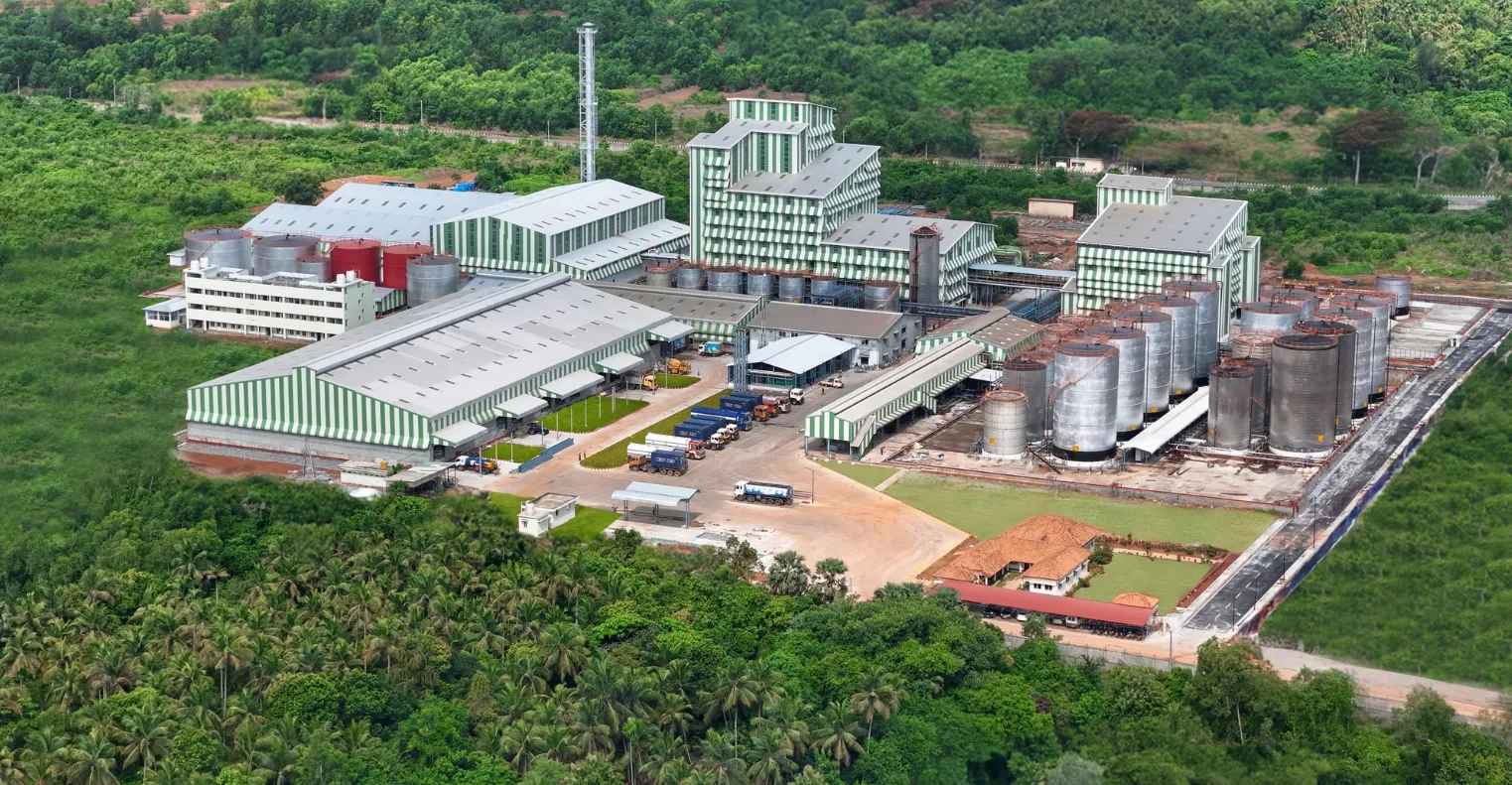
The OECD-FAO Agricultural Outlook 2026–2035 projects that food-based (first-generation) biofuels continue to dominate global biofuel production through 2035. The joint OECD-FAO report provides a 10-year forecast of global, regional, and national trends in agriculture, biofuels, and seafood markets.
OECD-FAO Agricultural Outlook 2026–2035:
| Dimension | Key Details |
|---|---|
| Report type | Comprises a joint OECD-FAO report that provides a 10-year forecast of global, regional, and national trends in agriculture, biofuels, and seafood markets. |
| First-generation biofuels | Comprises biofuels produced from edible food crops using established fermentation and transesterification processes. |
| First-generation biofuels: examples | Comprises ethanol from maize, sugarcane, rice, and cereals, and biodiesel from soybean, rapeseed, and palm oil. |
| Second-generation biofuels | Comprises biofuels manufactured from non-edible biomass or lignocellulosic biomass, requiring more complex thermochemical and biochemical conversion methods. |
| Second-generation biofuels: examples | Comprises agricultural residues, including straw and husks, and forestry waste. |
| Lignocellulosic biomass | Comprises structural plant material mainly made of cellulose, hemicellulose, and lignin, and is described as Earth’s most abundant renewable resource. |
| Key finding: market dominance | Provides for first-generation biofuels continuing to dominate global biofuel markets over the next decade. |
| Key finding: second-generation share | Provides for second-generation biofuel not seeing a substantial increase in production share. |
| Global ethanol projection (2035) | Mandates a projection of production expected to reach 162.5 billion litres by 2035. |
| Ethanol feedstock share | Comprises maize (61%), sugarcane (22%), molasses (5%), and wheat (2%). |
| Global biodiesel projection (2035) | Mandates a projection of output rising to 99 billion litres by 2035. |
| Biodiesel feedstock share | Comprises vegetable oils (69%), and used cooking oils and tallow (23%). |
| Biofuel demand growth rate (through 2035) | Mandates a projection of biofuel demand growing at 1.4% annually through 2035, slower than the past decade. |
| Global demand growth: emerging economies | Provides for emerging economies, including India, Brazil, and Indonesia, accounting for 80% of demand growth. |