|
Non-Animal Testing Methods (NAMs)
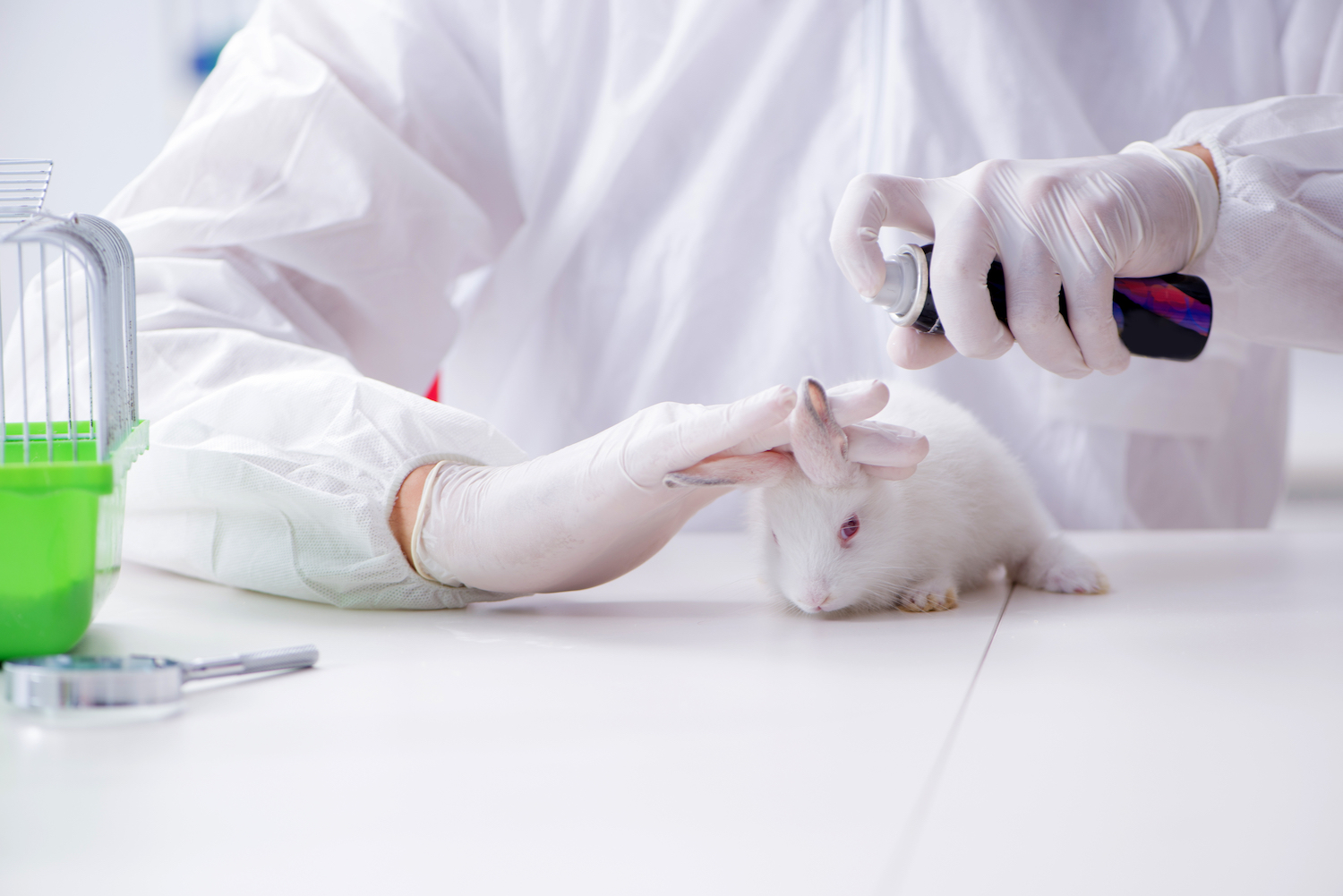
Non-Animal Testing Methods, also called New Approach Methodologies (NAMs), are in focus as drug safety, efficacy, and quality assessment tools, including biological and computational methods. India’s New Drugs and Clinical Trials (Amendment) Rules, 2023 authorise the use of human-relevant, non-animal testing methods for evaluating drug safety and efficacy.
Non-Animal Testing Methods (NAMs) / New Approach Methodologies:
| Dimension | Key Details |
|---|---|
| Alternate name | NAMs are also called New Approach Methodologies (NAMs). |
| Definition and use | NAMs comprise innovative testing methods and strategies used to assess the safety, efficacy, and quality of drugs. |
| Types | Types of NAMs comprise biological models (in vitro and ex vivo) and computational (in silico) models. |
| Biological models: Organ-on-Chip | Organ-on-Chip comprises 3D chips created from human cells mimicking human organs, for example, lung-on-a-chip. |
| Biological models: Organoids | Organoids comprise miniature, lab-grown human organs created from stem cells that mimic real organ functions, for example, liver and intestine; brain organoids are cited as pivotal in proving that Zika virus causes microcephaly. |
| Biological models: Human blood cell-based assays | Human blood cell-based assays comprise assays cited as replacing the rabbit pyrogen test used to detect fever-causing contaminants. |
| Computational models: AI and computer modelling | AI and computer modelling authorises prediction of drug toxicity, efficacy, and interactions, including use of recordings of human heart activity to test for arrhythmias and screen out dangerous compounds earlier. |
| Evidence cited on traditional animal testing | Phase I drug candidates ultimately approved comprise 10–14% under the cited context of traditional animal testing poorly predicting human responses. |
| Reported time and cost effects in India | A cited report suggests NAMs reduce drug development timelines by more than half and reduce costs by ~70–90% in India. |
| Global regulatory context mentioned | National centers for NAMs are established under regulators in the U.S., EU, and Japan. |
| Legal basis in India | India’s New Drugs and Clinical Trials (Amendment) Rules, 2023 authorise the use of human-relevant, non-animal testing methods for evaluating drug safety and efficacy. |
| Ethical issues and concepts | Ethical issues and concepts mentioned comprise animal suffering of millions of animals such as rats and dogs in experiments; the categorical imperative (Kant) described as acting only on principles that can be universally applied without contradiction; speciesism coined by Peter Singer described as human superiority-based exploitation of animals; and a utilitarian dilemma described as justification only if human benefits outweigh animal suffering, and not for non-essential products like cosmetics. |