|
Methylene Spacer Alters Molecular Packing and Supramolecular Chirality
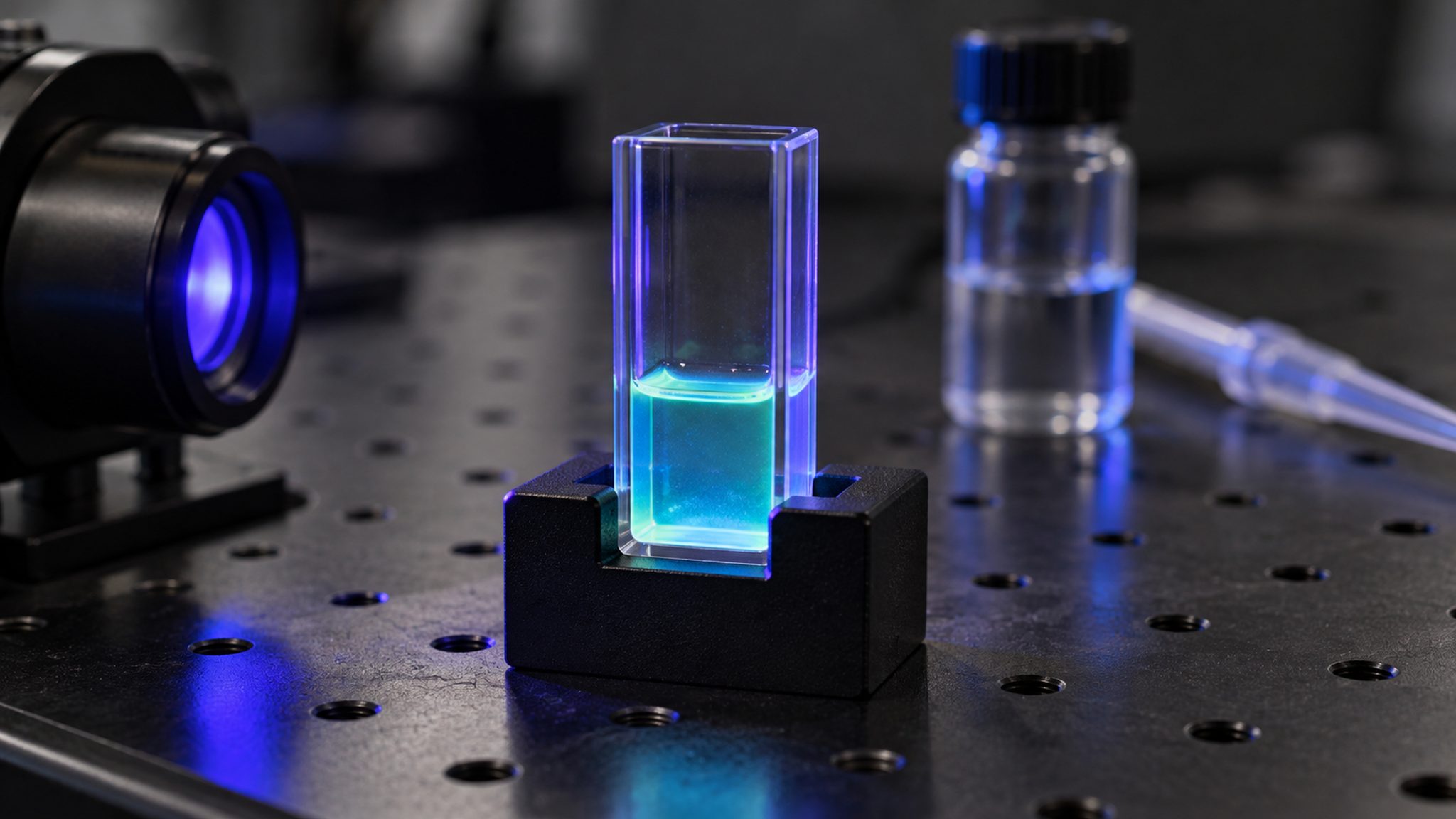
Scientists led by the Centre for Nano and Soft Matter Sciences (CeNS), Bengaluru highlight that adding a single methylene spacer (-CH2-) to peptide-based molecules controls their supramolecular self-assembly.
Single -CH2- Spacer in Peptide Supramolecular:
| Dimension | Key Details |
|---|---|
| Lead institution and collaborators | The research is led by the Centre for Nano and Soft Matter Sciences (CeNS), Bengaluru, in collaboration with JNCASR, Bengaluru, and Ghatal Rabindra Satabarsiki Mahavidyalaya, West Bengal. |
| Peptides | Peptides comprise short chains of amino acids linked by peptide bonds. |
| Self-assembly mechanism | Peptide-based molecules can spontaneously self-assemble into ordered supramolecular nanostructures through non-covalent interactions such as hydrogen bonding, π-π stacking, and hydrophobic forces. |
| Key modification | The method inserts a single carbon atom, a methylene spacer (-CH2-), between the core peptide backbone and a fluorescent aromatic unit, pyrene. |
| Effect on packing and orientation | The methylene spacer drastically alters the relative orientation and packing arrangement of adjacent molecules. |
| Optical and structural outcomes | The modification alters collective molecular packing, giving rise to supramolecular chirality and significantly prolonging fluorescence lifetimes. |
| Application areas | Potential applications comprise biosensing and diagnostic bioimaging, and targeted drug delivery systems. |
| Biosensing and bioimaging uses | Tuning optical properties such as fluorescence emission and lifetime provides for developing fluorescent probes for real-time cellular imaging, disease biomarker detection, and target molecule tracking. |
| Targeted drug delivery uses | Precision control over supramolecular self-assembly enables the design of stimulus-responsive hydrogels and nanocarriers capable of releasing therapeutic drugs in response to physiological triggers such as pH shifts or enzymatic activity. |
| Design principle | The finding establishes that material function can be tuned through simple geometric spacers rather than complex, expensive chemical syntheses. |