|
Kuno National Park: Indian-born cheetah KGP-12 births four cubs
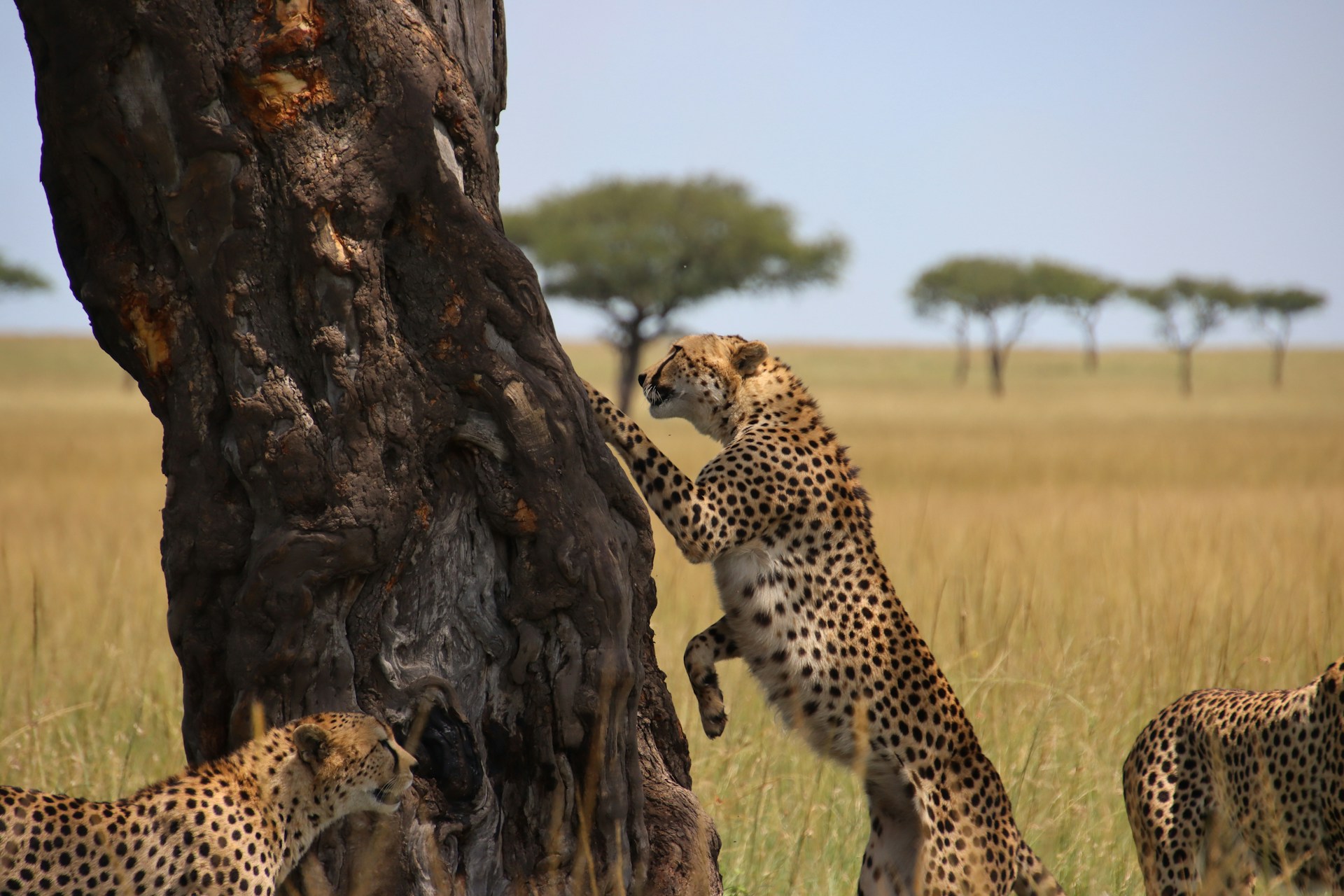
A female cheetah “KGP-12” at Kuno National Park gives birth to four cubs in the wild. The development raises the total cheetah population to 57 under Project Cheetah.
Kuno National Park and Project Cheetah:
| Dimension | Key Details |
|---|---|
| Location | Sheopur district of Madhya Pradesh. |
| Terrain | Vindhyan Hills. |
| Ecosystem | Comprises Kathiawar–Gir dry deciduous forest ecoregion including tropical dry deciduous and riverine forests. |
| Status | Provides for establishment as wildlife sanctuary in 1981 and declaration as national park in 2018. |
| River | Provides for Kuno River, a tributary of the Chambal, flowing through the park. |
| Vegetation | Dry deciduous forest, grasslands, and savannah-type ecosystem. |
| Flora | Kardhai, Khair, and Salai species. |
| Fauna | Leopards, jackals, chinkara, nilgai, sambar, wild boar, and wolves. |
| Tribal Presence | Provides for dominance of Sahariya tribe in the region. |
| Project Cheetah | Provides for launch in 2022 to restore cheetahs as flagship species for grassland ecosystems. |
| Nodal Agencies | Comprises National Tiger Conservation Authority and Wildlife Institute of India under Ministry of Environment, Forest and Climate Change. |
| Species Source | Comprises African cheetahs sourced from Namibia, South Africa, and Botswana. |
| Significance | Provides for first intercontinental translocation of a large carnivore. |
| Breeding Milestone | Birth of cubs in wild indicating successful reproduction in India. |
| Population | Total cheetah population reaching 57. |
| Conservation Status | Comprises African cheetah as Vulnerable and Asiatic cheetah as Critically Endangered under IUCN with both listed in CITES Appendix I and Schedule I of Wildlife Protection Act 1972. |