|
Uttarakhand High Court Stays Oak Tree Felling in Mussoorie Municipal Works
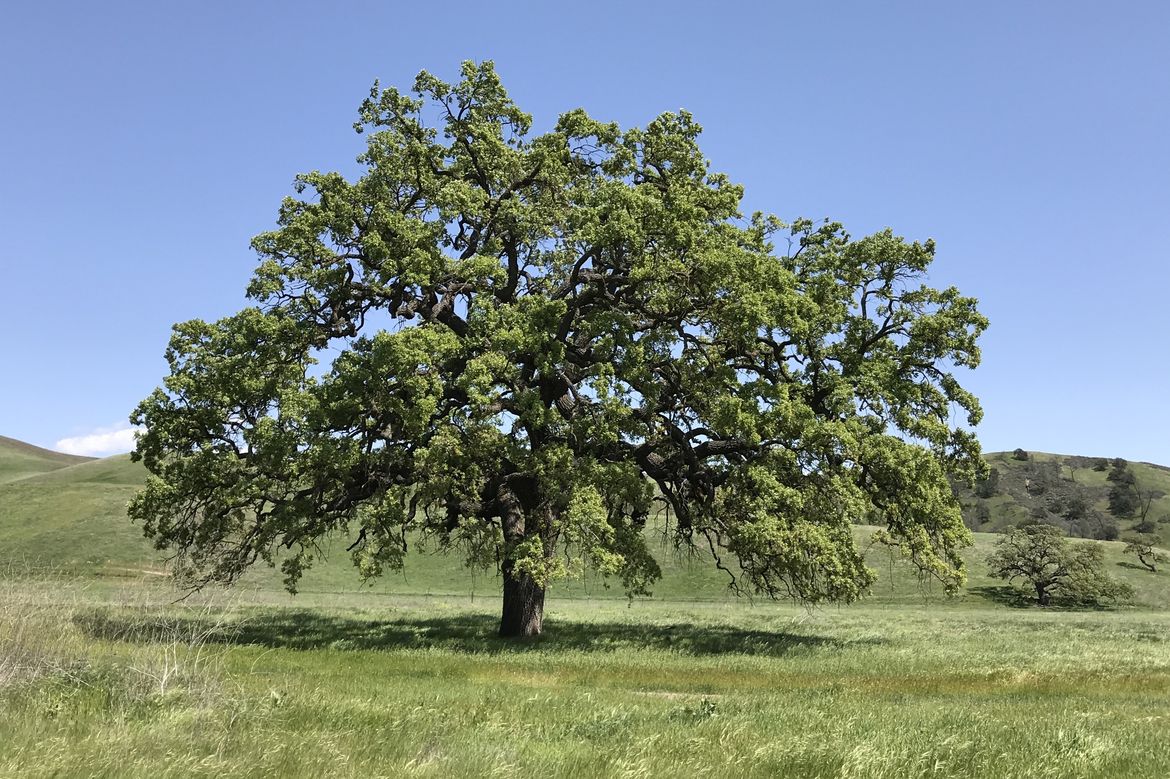
The Uttarakhand High Court stays the felling of oak trees in Mussoorie proposed for construction by the Municipal Council. The matter remains in the news due to the court stay on tree felling linked to municipal works.
Oak Trees (Himalayan Oaks):
| Dimension | Key Details |
|---|---|
| Altitudinal Range | These indigenous species are found across the Himalayan region between 1,000–3,500 meters altitude. |
| Distribution (India) | These species are often found in the Western Himalayas and Arunachal Pradesh. |
| Taxonomy | Genus comprises Quercus, and family comprises Fagaceae. |
| Prominent Species | Prominent species comprise 5 prominent evergreen Himalayan species. |
| Soil Requirement | Soil comprises moist, well-drained, loamy soils, rich in organic matter. |
| Climate Requirement | Climate comprises temperate to cool climates, and these trees thrive in areas with high rainfall and humidity. |
| Land Type | Land type comprises mountain slopes, valleys, and temperate forest belts. |
| Growth and Height | Oaks are generally slow-growing trees, and Himalayan oaks can grow up to 10–35 metres. |
| Habitat and Ecological Role | They dominate moist temperate forests, often serving as the “climax species”, the final stage of ecological succession in their ecosystems. |
| Distribution (India, species count) | Approximately 20 species are in the Western Himalayas and 15 in the Eastern Himalayas. |
| Global Distribution | Global distribution comprises temperate deciduous, Mediterranean evergreen, and montane oak forests in North America, Asia, and Europe. |
| Global Species Richness | Mexico has the largest number of oak species globally. |
| Uses | Uses comprise fuelwood and fodder, timber, and traditional uses. |
| Ecological Importance | Ecological importance comprises soil and water conservation; watershed protection by promoting the recharge of springs; biodiversity hubs; carbon stock, and microclimate regulation. |
| Threats and Degradation | Threats and degradation comprise a degradation rate of 0.36 sq km/year; chronic disturbance from grazing, lopping, and litter removal; invasive species such as Eupatorium adenophorum and Lantana camara, and chir pine replacement; and forest fires, with damaged stems prone to pathogens. |