|
Delhi Court Convicts Shahtoosh Export Case
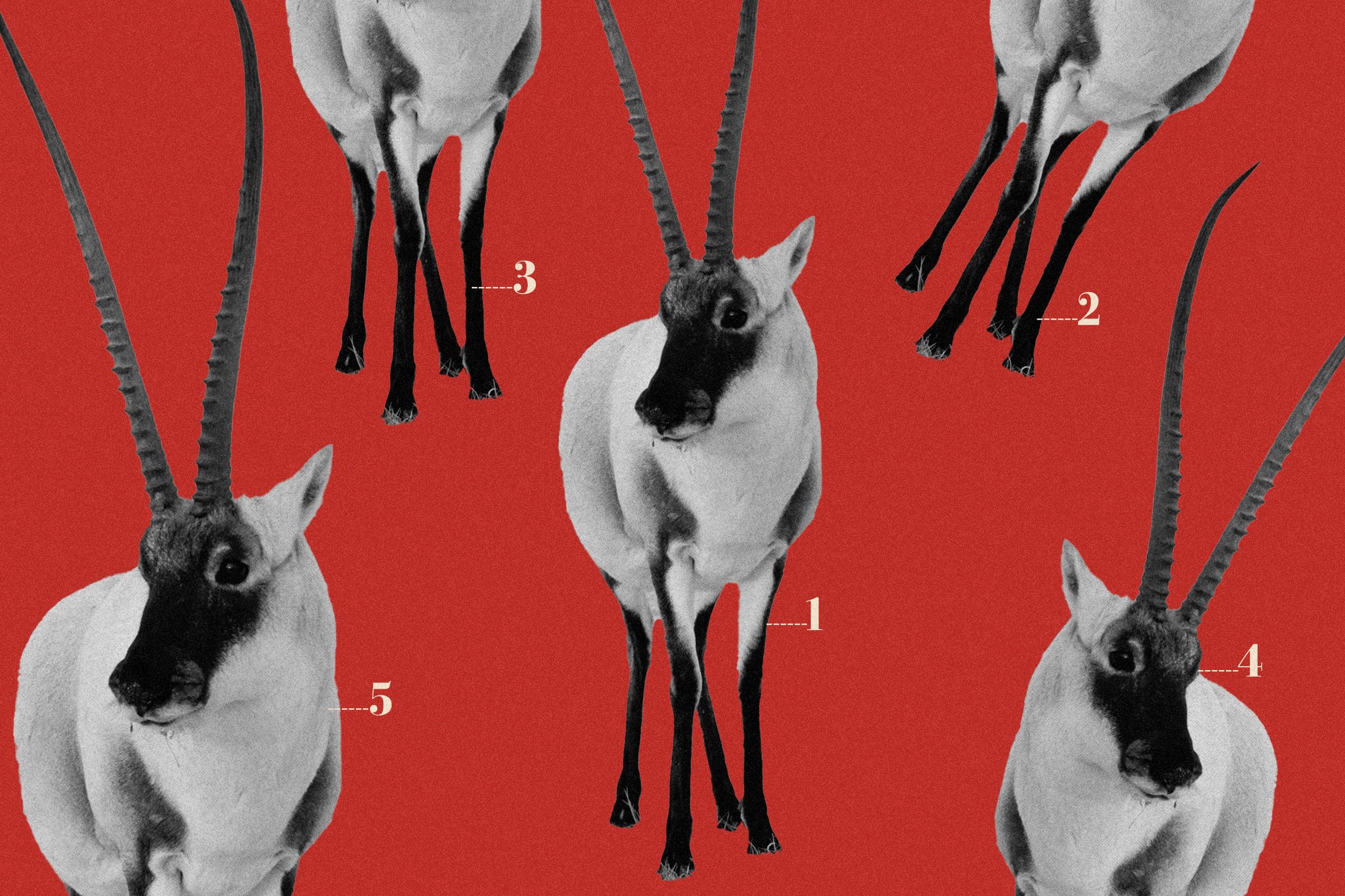
A Delhi court has convicted an individual for illegal export of Shahtoosh shawls made from Tibetan antelope hair. The case highlights enforcement of wildlife protection laws against illegal trade.
Shahtoosh and Tibetan Antelope (Chiru):
| Dimension | Key Details |
|---|---|
| Shahtoosh Definition | Under fleece obtained from Tibetan antelope requiring killing of the animal. |
| Production | Illegal spinning and weaving of shahtoosh mainly in Jammu and Kashmir. |
| Colour Characteristics | Shades of brown, beige, and grey depending on gender and body area of chiru. |
| Global Ban | Prohibition of shahtoosh trade under CITES since 1975. |
| Scientific Name | Tibetan antelope classified as Pantholops hodgsonii. |
| Habitat | Cold desert ecosystems of Tibetan plateau and regions of Xinjiang and Qinghai. |
| Migration | Migratory populations in India. |
| Breeding | Unsuccessful attempts to breed chiru in captivity. |
| Conservation Status | IUCN Near Threatened, CITES Appendix I, and protection under Wildlife Protection Act 1972 Schedule I and IV. |
| Threats | Comprises illegal poaching, habitat loss, and harsh environmental conditions. |
| Enforcement Agencies | Comprises Central Bureau of Investigation, Wildlife Crime Control Bureau, Customs, and Wildlife Institute of India. |
| Global Initiatives | CITES, Wildlife Crime Initiative 2014, and Wild for Life campaign. |
| India Mechanism | Wildlife Crime Control Bureau to regulate illegal wildlife trade. |