|
Supreme Court Judge Flags Election Commission Independence as Key to Neutral Elections
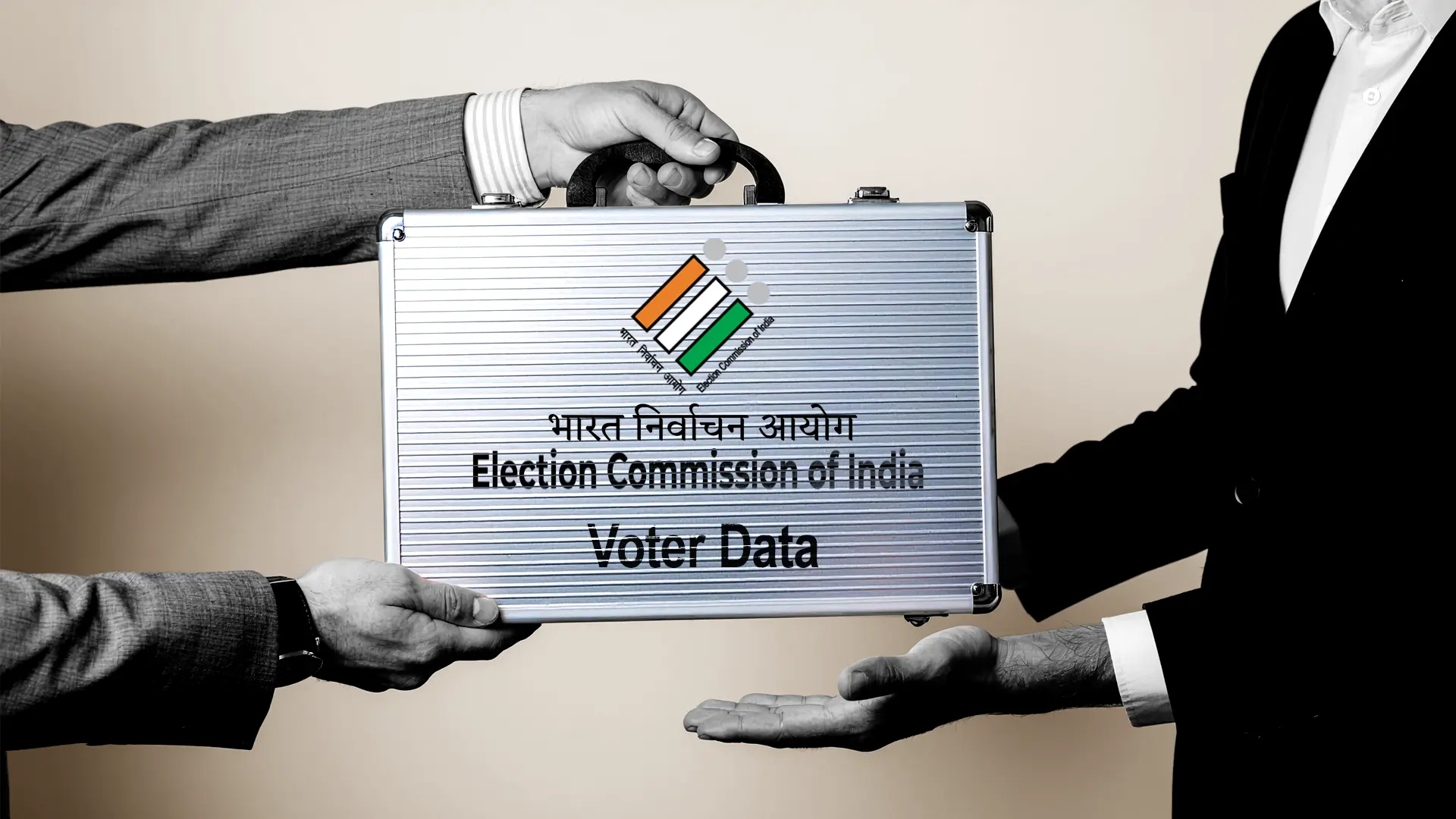
A Supreme Court judge highlights that independence of the Election Commission of India is essential for ensuring neutrality in elections. The observation raises concerns over institutional credibility in electoral processes.
Election Commission of India (ECI):
| Dimension | Key Details |
|---|---|
| Nature | Is an autonomous constitutional authority responsible for administering elections in India. |
| Establishment | Has been established on 25 January 1950 under the Constitution. |
| Structure | Comprises Chief Election Commissioner and two Election Commissioners. |
| Appointment | Is appointed by the President of India. |
| Tenure | Provides for 6 years term or up to 65 years of age, whichever is earlier. |
| Status | Provides for status, salary, and perks equivalent to judges of the Supreme Court. |
| Removal | Provides for removal of Chief Election Commissioner in the manner of a Supreme Court judge and removal of Election Commissioners on recommendation of the Chief Election Commissioner. |
| Constitutional Provisions | Comprises Articles 324 to 329 covering superintendence of elections, universal suffrage, legislative powers, and bar on judicial interference. |
| Functions | Comprises administrative functions of symbol allotment and party recognition, quasi-judicial dispute resolution, advisory role on disqualification, and regulatory enforcement of Model Code of Conduct and expenditure monitoring. |
| Scope | Applies to elections for President, Vice President, Parliament, and State Legislatures, while local body elections are conducted by State Election Commissions. |
| Safeguards for Independence | Comprises secure removal process, protection of service conditions, and requirement of Chief Election Commissioner recommendation for removal of Election Commissioners. |
| Technology Initiatives | Comprises use of EVM and VVPAT, cVIGIL app, ERONet and NVSP platforms, Suvidha and Samadhan systems, and Garuda app. |