|
Conflict Zones in Persian Gulf and Red Sea Raise Safety Risks for Merchant Ships
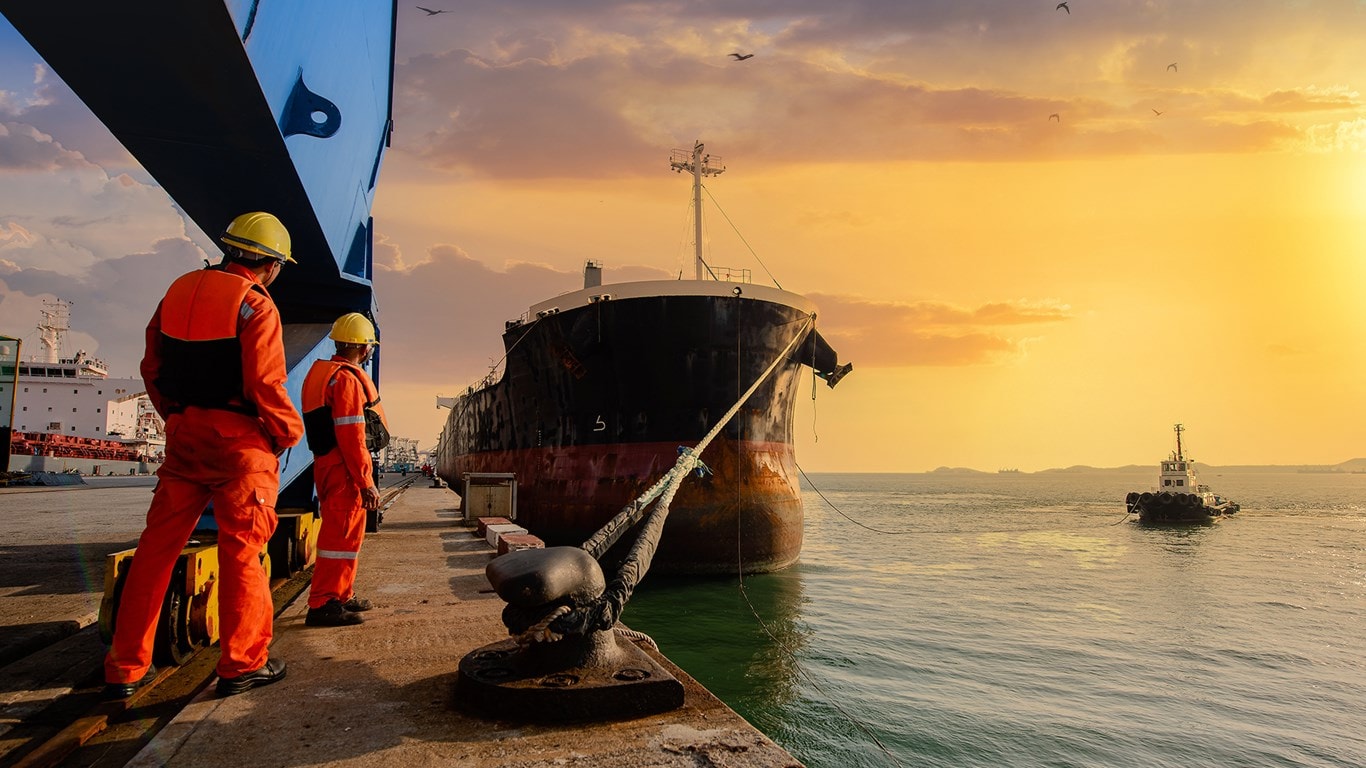
The death of 3 Indian seafarers aboard Settebello in the Gulf of Oman due to a US military strike brings attention to maritime safety risks for seafarers. The report flags heightened risks in conflict zones such as the Persian Gulf and Red Sea, along with enforcement and jurisdictional challenges affecting merchant ships.
Maritime Safety of Seafarers:
| Dimension | Key Details |
|---|---|
| Conflict-zone risks | Increasing conflict-zone risks comprise exposure to missile attacks, drone strikes, and military confrontations in regions such as the Persian Gulf and Red Sea. |
| Sanctions-related vulnerability | Sanctions-related vulnerability comprises potential loss of insurance, compensation, port access, and financial services for sanctioned vessels. |
| International enforcement challenge | Inadequate international enforcement comprises weak implementation of maritime laws despite frameworks such as the International Maritime Organization and UNCLOS. |
| Jurisdictional challenge | Jurisdictional challenges comprise multiple stakeholders such as flag states, coastal states, shipowners, and crew nationalities, complicating responsibility and rescue efforts. |
| Merchant ship defence capability | Commercial vessels comprise minimal self-defence capabilities against attacks. |
| Measures listed | Way forward measures comprise enhanced maritime security via increased naval patrols, surveillance, and rapid-response capabilities; informed consent via mandated risk disclosure before deployment in war-risk zones; welfare support via helplines and support systems for seafarers’ families and adequate war-risk cover and allowances; and international cooperation via coordination with flag states, shipowners, and maritime organizations. |
| UNCLOS, 1982 | UNCLOS, 1982 (United Nations Convention on the Law of the Sea) provides for freedom of navigation and regulates states’ responsibilities for maritime security. |
| Maritime Labour Convention (MLC), 2006 | Maritime Labour Convention (MLC), 2006 provides for decent working conditions, welfare, health protection, and repatriation rights, and is known as the “Seafarers’ Bill of Rights”. |
| SOLAS Convention, 1974 | SOLAS Convention, 1974 (International Convention for the Safety of Life at Sea) mandates minimum safety standards for ships, equipment, and operations. |
| Merchant Shipping Act (India) | The Merchant Shipping Act governs all Indian registered vessels and provides for safety standards, conditions of employment, and seafarer welfare. |
| Directorate General of Maritime Affairs (DGMA) | The Directorate General of Maritime Affairs (DGMA) regulates merchant shipping and seafarer certification. |