|
Climate change threatens forest ecosystem stability in Nilgiri Biosphere Reserve
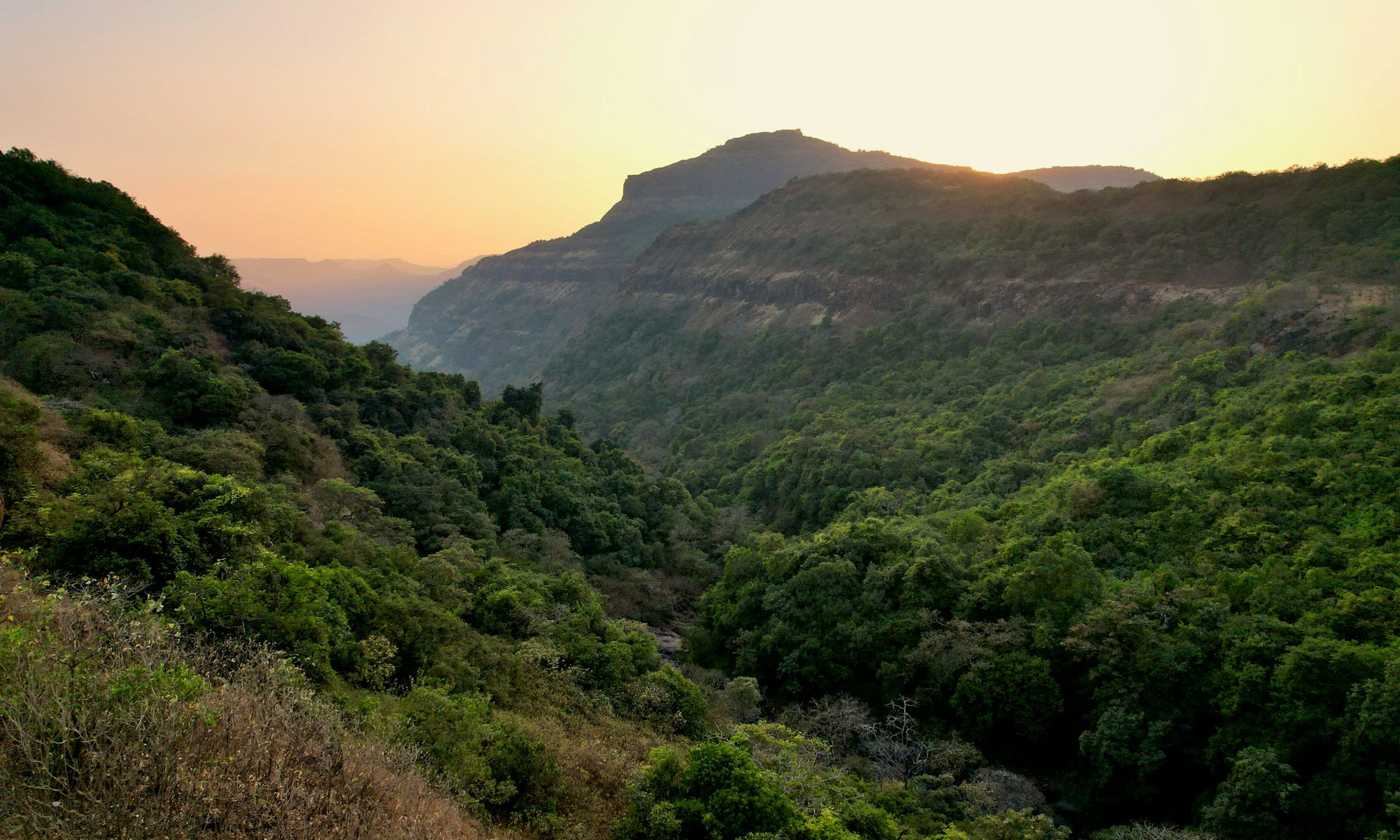
Researchers warn that climate change is destabilising Western Ghats’ forest ecosystems in the Nilgiri Biosphere Reserve.
Nilgiri Biosphere Reserve:
| Dimension | Key Details |
|---|---|
| Location | It is located in the Nilgiri Mountains of the Western Ghats. |
| Coverage | It encompasses parts of Tamil Nadu, Kerala, and Karnataka. |
| Status and establishment | It is the first biosphere reserve in India, established in 1986. |
| UNESCO linkage | It is India’s first biosphere reserve under UNESCO’s Man and the Biosphere Programme. |
| Protected areas within the reserve | Protected areas within this reserve comprise Mudumalai Wildlife Sanctuary, Wyanaad Wildlife Sanctuary, Bandipur National Park, Nagarhole National Park, Mukurthi National Park, and Silent Valley. |
| Vegetation types | It has tropical evergreen forests, Montane sholas and grasslands, semi-evergreen forests, moist deciduous forests, dry deciduous forests, and thorn forests. |
| Tribal groups | Tribal groups native to the reserve comprise the Todas, Kotas, Irullas, Kurumbas, Paniyas, Adiyans, Edanadan Chettis, Cholanaickens, Allar, and Malayan. |
| Flora | It mainly includes species of Adenoon, Calacanthus, Baeolepis, Frerea, Jarodina, Wagatea, and Poeciloneuron. |
| Fauna | It mainly has the Nilgiri Tahr and the Lion-tailed macaque, and it has the largest South Indian population of elephant, tiger, gaur, sambar, and chital. |