|
Archaeological Survey of India
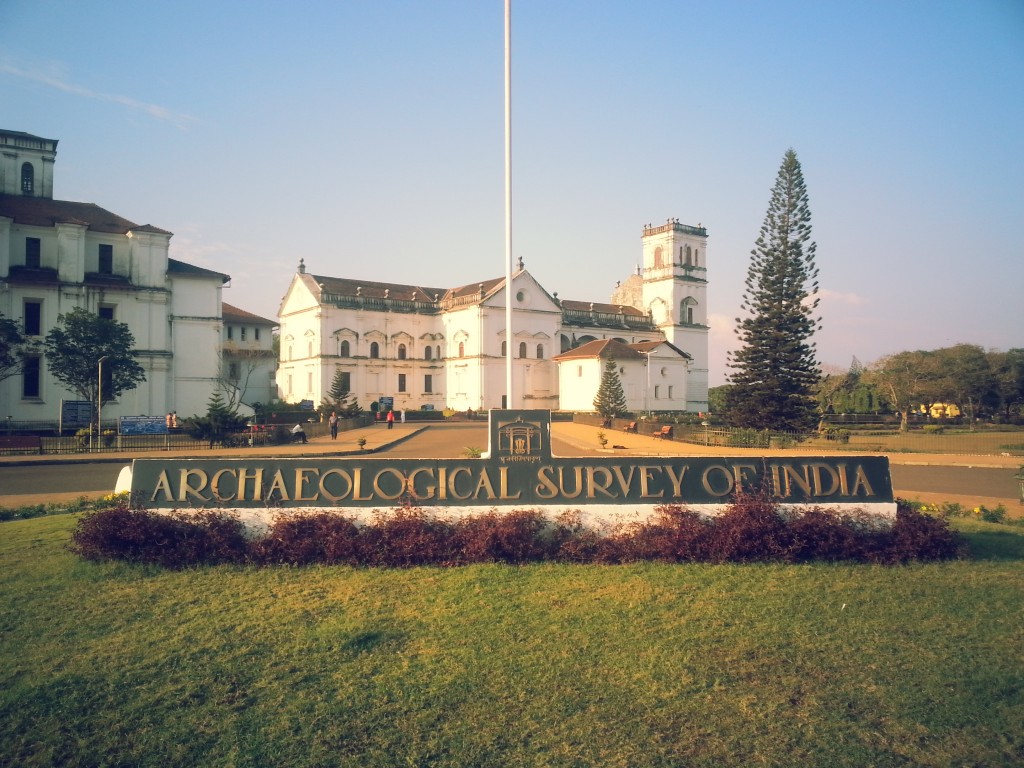
The Archaeological Survey of India has recently undertaken digitisation of historical and religious sites and antiquities. The initiative highlights its role in heritage conservation and archaeological research.
Archaeological Survey of India (ASI):
| Dimension | Key Details |
|---|---|
| Establishment | Established in 1861 by Alexander Cunningham |
| Headquarters | Headed by Director General based in New Delhi |
| Purpose | Provides survey exploration excavation and conservation of archaeological sites and monuments |
| Structure | Operates through 24 circles museums and specialised branches including excavation epigraphy science horticulture and underwater archaeology |
| Legal Framework | Governed by Ancient Monuments and Archaeological Sites and Remains Act 1958 and manages Antiquities and Art Treasures Act 1972 |
| Monument Protection | Administers and maintains over 3690 monuments and sites of national importance |
| Research Role | Conducts scientific exploration including discovery of Indus Valley Civilisation in the 1920s |
| Antiquities Regulation | Regulates export of non antiquities and prevents illicit trafficking under Antiquities and Art Treasures Act 1972 |
| Public Engagement | Manages over 50 site museums and publishes Indian Archaeology A Review |
| UNESCO Sites in India | India has 44 World Heritage Sites comprising 36 cultural 7 natural and 1 mixed site |
| Global Ranking | India ranks sixth globally in number of UNESCO World Heritage Sites |
| Top Countries | Italy has 61 sites and China has 60 sites |
| Latest UNESCO Sites | Includes Maratha Military Landscapes 2025 and Moidams Ahom Mound Burials 2024 |