|
Australia’s maritime boundaries
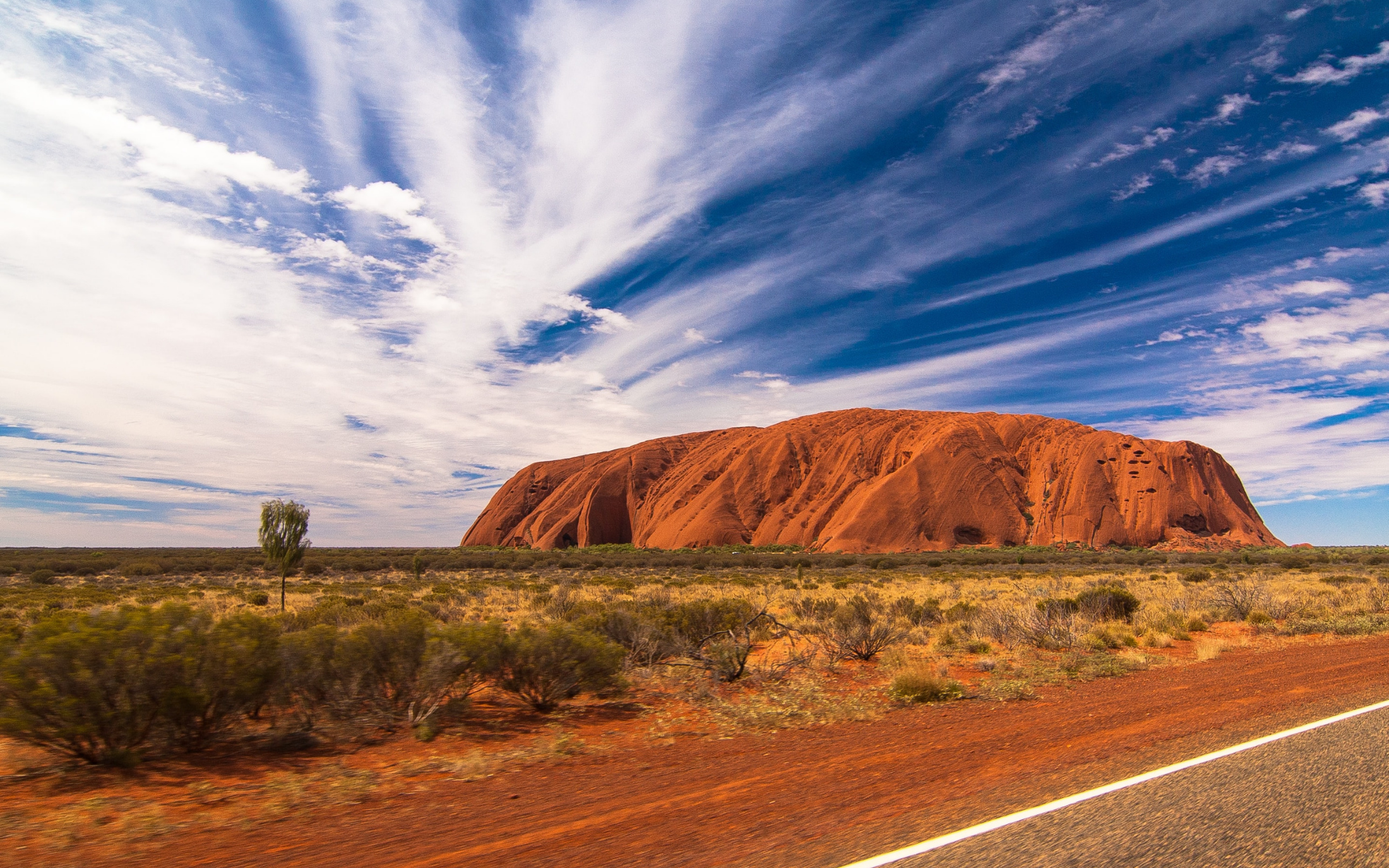
The Prime Minister states that India and Australia continue to work for a free, open, secure, and prosperous Indo-Pacific. The news highlights Australia’s location, surrounding water bodies, and key geographical features.
Australia: Maritime Boundaries and Key Geography
| Dimension | Key Details |
|---|---|
| Location | Australia is the smallest continent and the largest country. |
| Bounded by major oceans | Australia is bounded by the Indian Ocean to the west and the South Pacific Ocean to the east. |
| Separation from Papua New Guinea | Australia is separated from Papua New Guinea by the Coral Sea and Torres Strait to the northeast. |
| Separation from Indonesia | Australia is separated from Indonesia by the Timor and Arafura seas to the northwest. |
| Separation from Coral Sea Islands Territory | Australia is separated from the Coral Sea Islands Territory by the Great Barrier Reef. |
| Separation from New Zealand | Australia is separated from New Zealand by the Tasman Sea to the southeast. |
| Capital | Canberra is the capital city of Australia. |
| Climate | Australia experiences diverse climate types due to its large north-south extent, majorly covering temperate and tropical along with other zones. |
| Highest point | Mount Kosciuszko is the highest point in Australia at 2,228 m (7,310 ft). |
| Major rivers | Major rivers comprise the Murray-Darling, Murrumbidgee, and Lachlan. |
| Deserts | Australia comprises expansive deserts: the Great Victoria Desert, the Gibson Desert, and the Simpson Desert. |
| Natural resources | Natural resources comprise gold, iron ore, lead, nickel, rutile, uranium, zinc, zircon, brown coal, cobalt, copper, ilmenite, lithium, silver, tungsten, and vanadium. |