|
14-Protein Blood Plasma Signature Predicts Lung Cancer Years Before Scans
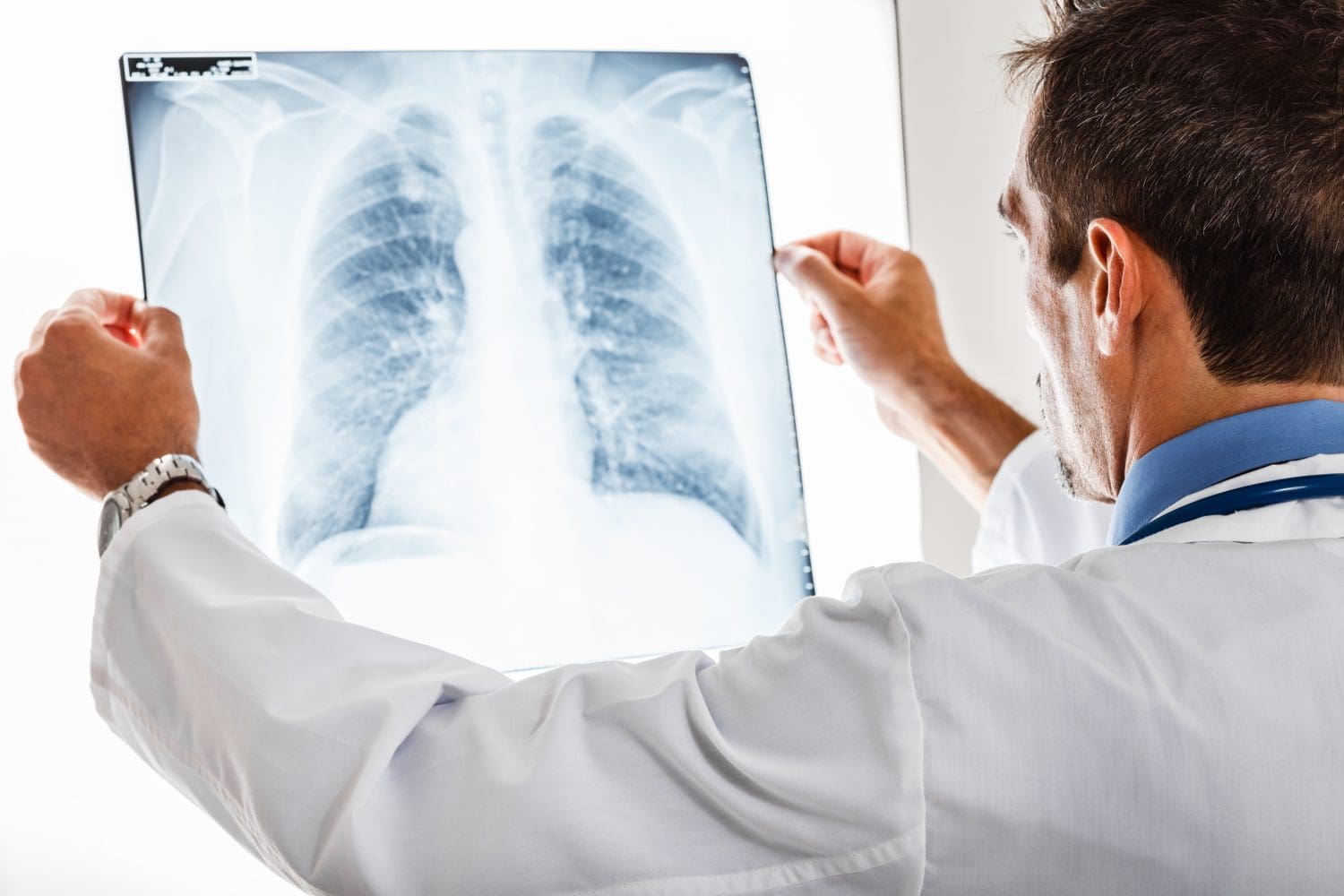
Scientists report a blood test that predicts lung cancer years before tumours appear on scans.
A multinational team led by Charles Swanton at the Francis Crick Institute, London, publishes in the journal Cell the identification of a 14-protein blood plasma signature.
14-Protein Blood Plasma Signature, Liquid Biopsy, and CANTOS Trial:
| Dimension | Key Details |
|---|---|
| Study and lead institution | A multinational team led by Charles Swanton at the Francis Crick Institute, London, identifies a 14-protein blood plasma signature and publishes the study in Cell. |
| 14-protein signature | The 14-protein blood plasma signature comprises a blood-based risk test (liquid biopsy) that detects subtle, cancer-promoting inflammatory changes in blood plasma. |
| Early warning claim | The 14-protein signature in blood plasma predicts lung cancer years before tumours appear on scans. |
| Plasma proteome and proteomics | Blood plasma contains thousands of proteins from all organs, the set of proteins is called the plasma proteome, and the systematic study is called proteomics. |
| Liquid biopsy | Liquid biopsy is non-invasive, and doctors take a blood plasma sample that carries protein signals from all organs. |
| Traditional biopsy | Traditional biopsy is invasive, and doctors cut or insert a needle into the lung to test tissue. |
| Mechanism stated | Blood plasma acts like a river carrying protein messages from organs, healthy organs release normal proteins, and diseased organs release abnormal proteins. |
| Data source and method | The team uses data from 48,000 volunteers in the U.K. Biobank and applies AI or machine learning to compare healthy versus lung cancer cases. |
| Inflammation trigger noted | In most cases, smoking and air pollution caused inflammation that awakens dormant mutant lung cells, which eventually become cancer cells. |
| CANTOS trial | CANTOS (Canakinumab Anti-inflammatory Thrombosis Outcome Study) is a medical research study designed to test a new way of preventing heart attacks. |
| CANTOS purpose stated | The original purpose is stated as preventing heart attacks by lowering a patient's cholesterol, and the CANTOS trial tests whether reducing inflammation could lower the risk of heart attacks. |
| Retrospective analysis finding | Scientists re-examine CANTOS trial data and find that among 2,300 participants with the 14-protein signature, those given canakinumab have 50% lower risk of lung cancer. |
| Canakinumab limitations stated | Canakinumab has some severe, toxic side effects and is stated as incredibly expensive. |