|
World Cities Report 2026
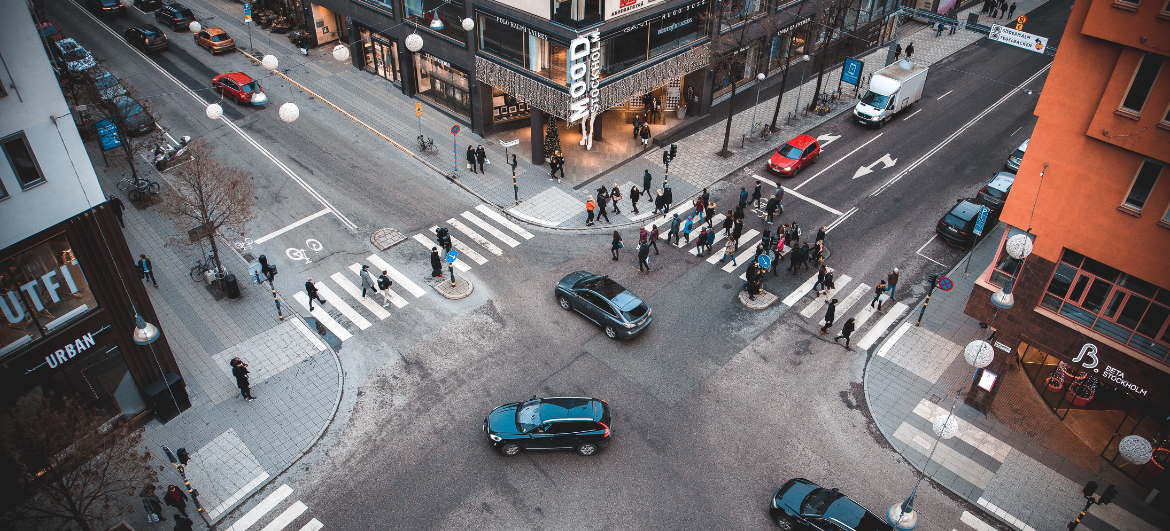
The report titled The Global Housing Crisis: Pathways to Action highlights affordability constraints, informality, and climate-related housing risks. The billions of people worldwide lack access to adequate housing.
The Global Housing Crisis: Pathways to Action
| Dimension | Key Details |
|---|---|
| Housing Crisis | Up to 3.4 billion people worldwide lack access to adequate housing. |
| India Homelessness Rate | India’s homelessness rate stands at 13 per 10,000 as per the Institute of Global Homelessness. |
| Climate Risk | Climate-related hazards are projected to destroy 167 million homes by 2040. |
| Housing Emissions | Housing accounts for an estimated 17–21% of total emissions. |
| Housing Policies | National housing policies often fail to incorporate adequacy dimensions such as affordability, tenure security, and accessibility. |
| Price-to-Income Ratio | Global average price-to-income ratios have increased from 9.5 in 2010 to 11.7 in 2023. |
| Indian Cities | Mumbai records a price-to-income ratio of 14.3, while Delhi records 10.1. |
| Affordability Strategy | The report recommends land governance strengthening, rental and non-market housing expansion, and streamlined regulatory processes. |
| Housing Finance | Affordable housing finance should prioritise vulnerable and low-income groups, including informal workers and female-headed households. |
| Climate-Resilient Housing | Climate-resilient housing policies should prevent exclusionary outcomes such as green gentrification and green grabbing. |
| PMAY-U 2.0 | Pradhan Mantri Awas Yojana-Urban 2.0 supports 1 crore additional eligible beneficiaries in urban areas over 5 years from 2024. |
| Article 21 | Olga Tellis and Others v. Bombay Municipal Corporation, 1985 interpreted Article 21 to encompass housing and livelihood. |
| Best Practices | Best practices comprise the Yerwada project in Pune and Bhubaneswar Affordable Housing Project. |