|
India’s elderly population projected at 347 million (20%) by 2050
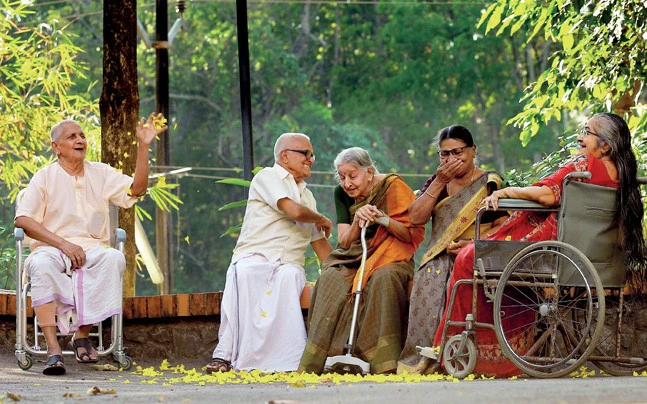
India’s elderly population is projected to reach 347 million by 2050. The issue is rising geriatric healthcare needs, financial insecurity, and social isolation among the elderly.
Geriatric Healthcare in India:
| Dimension | Key Details |
|---|---|
| Ageing | Ageing is a natural process that leads to decline in physical and mental capacity and increases the risk of diseases and death. |
| Life Changes | Ageing is associated with life changes such as retirement, relocation, and loss of friends or partners. |
| Elderly Population Projection | India’s elderly population is projected to reach 347 million, around 20% of the population, by 2050. |
| 2011 Baseline | India’s elderly population stood at 8.6% in 2011. |
| Hospital-Centric Model | The hospital-centric model treats individual diseases, while elderly people often require continuous and integrated care for multiple long-term conditions. |
| Mental Health | Dementia, Alzheimer’s, and depression are often undiagnosed among the elderly. |
| Social Isolation | Nuclear family preference has increased social isolation and empty nest syndrome among the elderly. |
| Financial Insecurity | High out-of-pocket health expenditure pushes households into poverty, while 78% of elderly lack pension coverage and 70% are economically dependent. |
| Feminization of Ageing | Women live longer but often have fewer assets and lower access to healthcare, making them more vulnerable. |
| Other Challenges | Other challenges comprise fewer trained geriatricians, lack of social security, digital access gaps, and rural-urban divide. |
| Long-Term Care | Long-term care provides for integrated elderly-care systems with skilled workforce, infrastructure, and financing. |
| Digital Healthcare | Digital healthcare provides for teleconsultation and integrated electronic health records under the Ayushman Bharat Digital Mission. |