|
US Focus on Venezuela’s Orinoco Belt and Guiana Shield Mineral Reserves
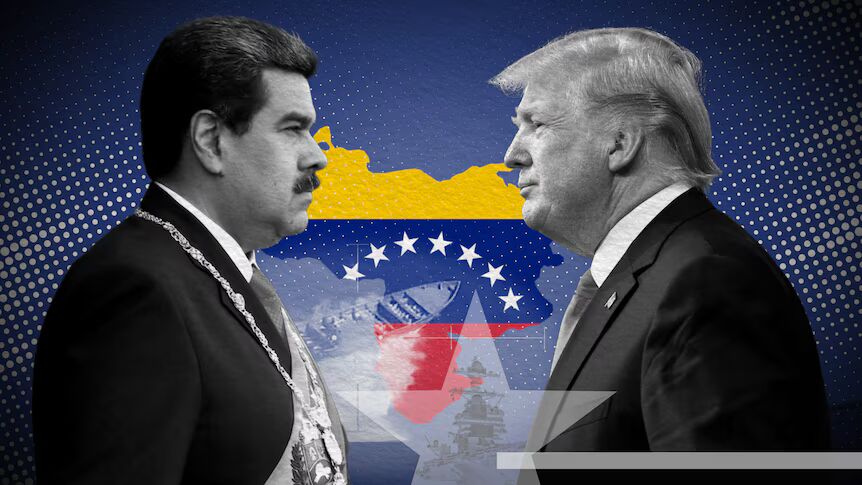
The United States has recently turned attention to Venezuela’s mineral reserves, particularly in the Orinoco Belt and the Guiana Shield. The focus relates to the geography and resource profile of these two regions in and around Venezuela.
Orinoco Belt and Guiana Shield:
| Dimension | Key Details |
|---|---|
| Alternate name | Orinoco Belt is also called Faja Petrolífera del Orinoco. |
| Resource profile | Holds the world’s largest petroleum deposits, primarily extra-heavy crude oil. |
| Global share | About 20% of the world’s proven reserves of heavy and extra-heavy crude oil, or about a quarter of the reserves of all nations within OPEC. |
| Location | Located in the southern part of Venezuela’s Orinoco River basin; Orinoco River is the 3rd largest river in the world. |
| Venezuelan states covered | Guárico, Anzoátegui, Monagas, Delta Amacuro, and northern Bolívar. |
| Production areas | Boyacá, Junín, Ayacucho, and Carabobo. |
| Key characteristic | Provides for very dense oil (low API gravity), similar to liquid asphalt. |
| Pipeline movement | Often requires blending with diluents (lighter liquids) to flow through pipelines. |
| Guiana Shield: age and type | Is a 1.7- to 2-billion-year-old Precambrian geological formation in northeast South America; represents one of the oldest stable cratons on Earth. |
| Guiana Shield: ecological tag | Is recognized as the “greenhouse of the world” for housing the largest remaining block of pristine tropical forest. |
| Countries/territories and regions covered | Underlies 6 countries and territories: Guyana, Suriname, French Guiana; southern Venezuela (Bolivar and Amazonas states); northeastern Brazil (Roraima, Pará, Amapá states); southeastern Colombia (parts of Guainía and Vaupés departments). |
| Characteristic landforms | Region is characterized by dramatic elevations called the Guiana Highlands; unique table-top mountains called tepuis. |
| Mount Roraima | Is a massive tepui at the borders of Guyana, Brazil, and Venezuela; it inspired Sir Arthur Conan Doyle’s The Lost World. |
| Pico da Neblina | Is the highest point in the Shield and in Brazil; reaches 2,995 meters. |
| Angel Falls | Located in Venezuela; is the world’s highest uninterrupted waterfall; originates from the Auyán-tepui. |
| Fresh water and carbon storage | ~ 20% of the world’s fresh water and stores about 18% of the world’s tropical forest carbon. |
| Mineral deposits | Gold, Diamonds, Bauxite, and Iron Ore. |