|
Universal Social Protection
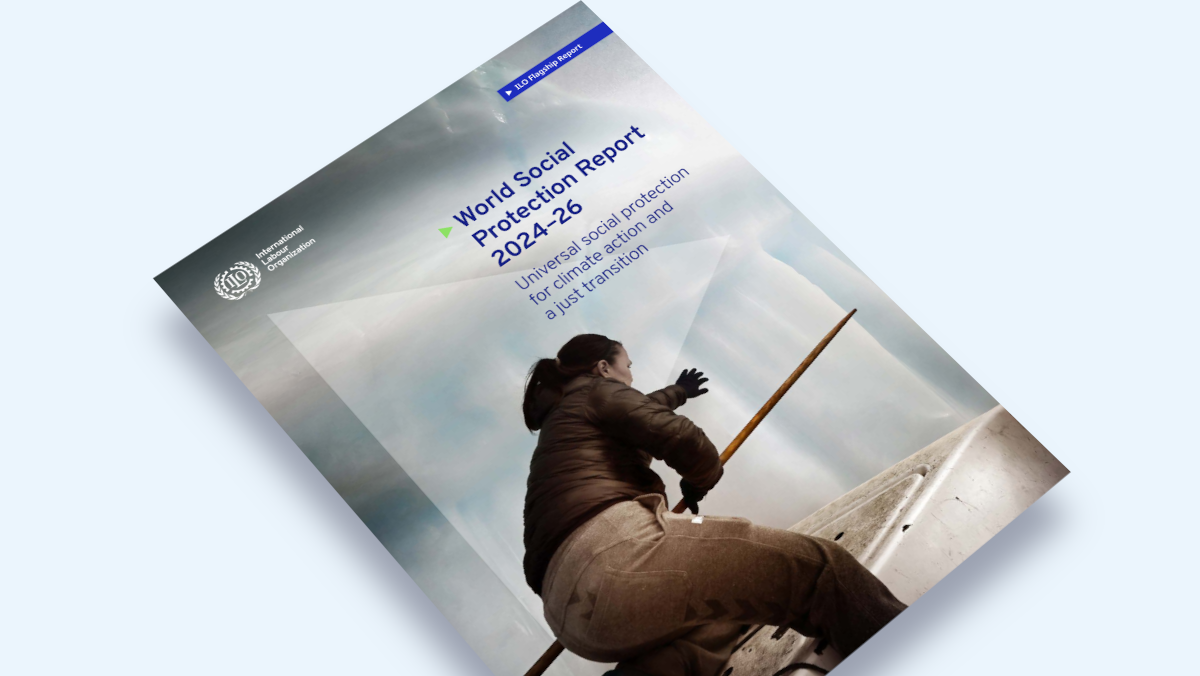
A report titled “Universal social protection in changing labour markets: Protecting workers in all types of employment” calls for strengthening social protection systems. The report emphasises coverage across all categories of workers.
Social Protection:
| Dimension | Key Details |
|---|---|
| Definition | Policies and programmes designed to prevent and reduce poverty and vulnerability across life cycle. |
| Components | Child and family benefits, maternity protection, unemployment support, health protection, and old-age benefits. |
| Poverty Reduction | Reduction of vulnerability and strengthening of capabilities through systems such as subsidised food distribution. |
| Resilience Building | Stability against climate change, technological shifts, and demographic transitions. |
| Economic Role | Social security contributions accounting for 18.8% of total taxation globally in 2019. |
| Gender Dimension | Reduction of labour market inequalities through gender-responsive protection systems. |
| Universal Coverage | Inclusion of all workers including self-employed, temporary, and part-time workers. |
| Integrated Approach | Combining social insurance with tax-financed schemes for universal coverage. |
| Social Protection Floor | Provides for basic income security and access to healthcare for all individuals. |
| India Welfare Mechanism | Comprises cess-based welfare funds and sector-specific welfare boards. |
| Governance Model | Provides for tripartite system including workers, employers, and state representation. |
| Gig Worker Protection | Platform levies and legislation such as Rajasthan Platform Based Gig Workers Act 2023. |