|
UN DESA’s Financing for Sustainable Development Report 2026
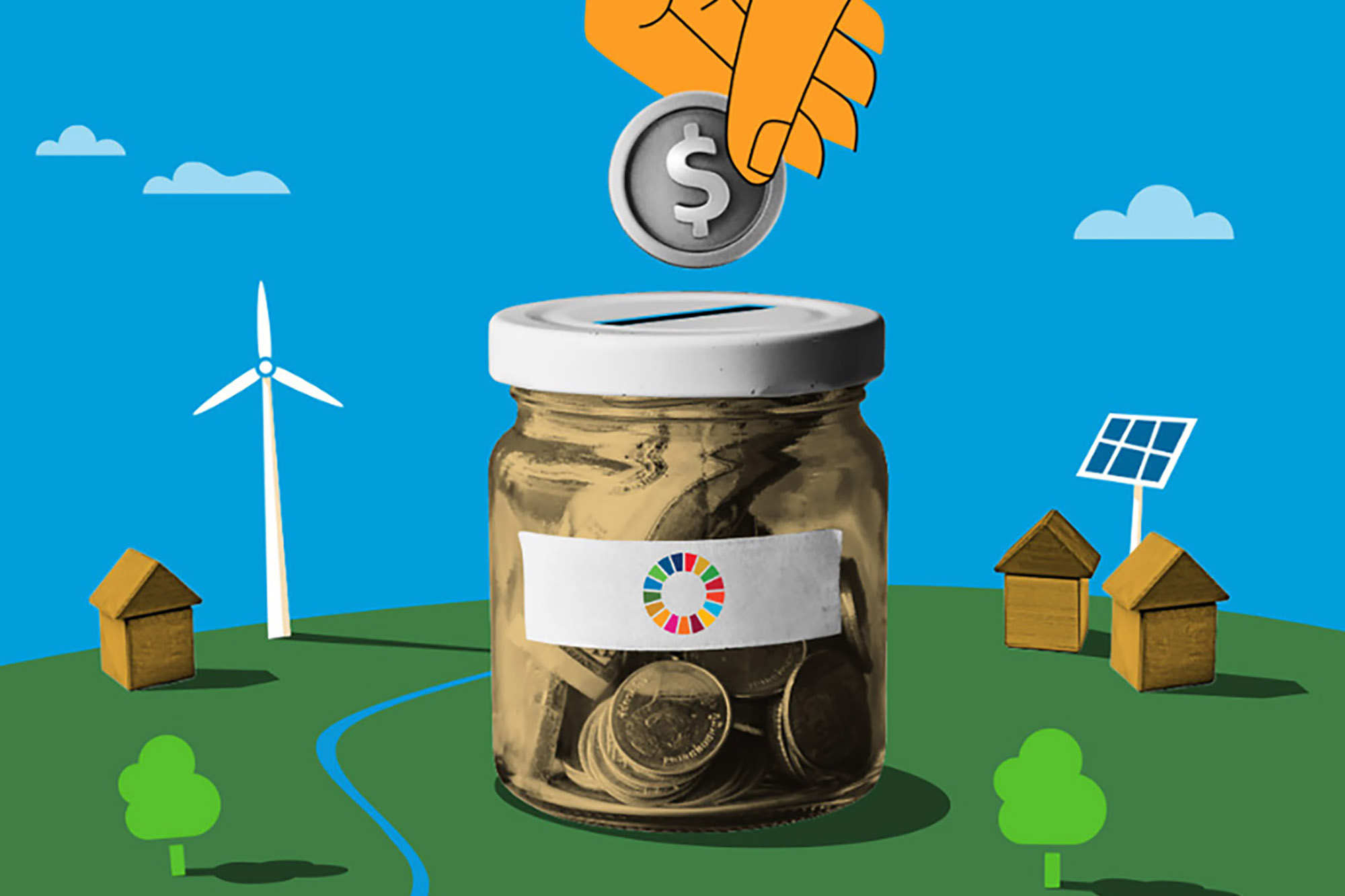
A report released by the UN Department of Economic and Social Affairs highlights financing challenges and emphasises the Sevilla Commitment. The report focuses on addressing the SDG financing gap in developing countries.
Sevilla Commitment and Financing for Development:
| Dimension | Key Details |
|---|---|
| Issuing Authority | Is released by the United Nations Department of Economic and Social Affairs. |
| Global Economy | Provides for fragile macroeconomic conditions with downside risks and low per capita income in many developing countries. |
| Financing Constraints | Provides for high borrowing costs, rollover risks, and marginal increase in tax revenues in developing countries. |
| Global Fragmentation | Provides for emergence of alternative cross-border payment systems alongside existing systems such as SWIFT. |
| SDG Financing Gap | Provides for estimated $4 trillion annual financing gap for sustainable development goals. |
| Scaling Financing | Provides for strengthening domestic private sectors and diversification to increase investment flows. |
| Alignment of Finance | Provides for aligning public and private finance with sustainable development outcomes and national strategies. |
| Resilience Building | Provides for integrating climate and disaster risk into financial systems and strengthening domestic institutions. |
| Cooperation Framework | Provides for coordination among national development banks, regional bodies, and multilateral institutions. |
| Multilateralism | Provides for a predictable and rules-based international system to reduce risks and foster investment. |
| Adoption | Provides for adoption at Fourth International Conference on Financing for Development held in Sevilla in 2025. |
| Key Features | Comprises 280 actions across global financing framework. |
| Sevilla Platform for Action | Provides for voluntary multi-stakeholder mechanism for early implementation of the commitment. |