|
Supreme Court: Unreserved Seats in Public Recruitment Open to All on Merit
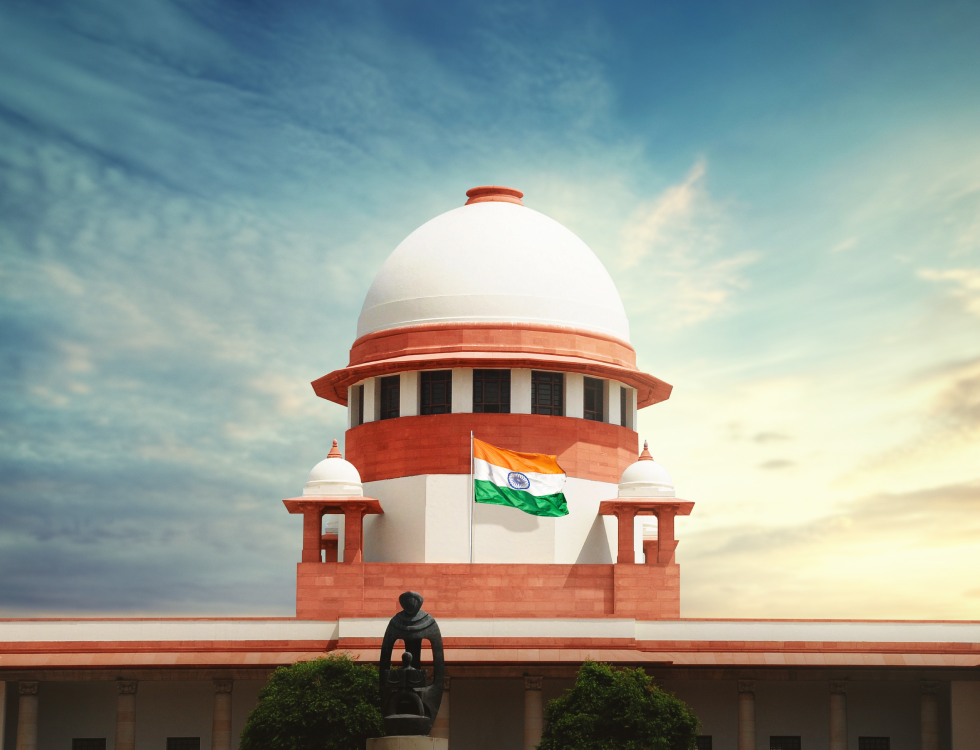
On January 17, 2026, the Supreme Court of India rules that unreserved (general) category seats in public recruitment are open to all candidates purely on merit, including SC/ST/OBC candidates who qualify without concessions. A Bench comprising M. M. Sundresh and Satish Chandra Sharma sets aside a 2020 Kerala High Court decision linked to an Airports Authority of India (AAI) recruitment dispute.
Supreme Court Ruling on Unreserved Seats in Public Recruitment (Jan 17, 2026):
| Dimension | Key Details |
|---|---|
| Bench | M. M. Sundresh and Satish Chandra Sharma. |
| Core Ruling | Unreserved (general) category seats being open to all candidates purely on merit, irrespective of social category. |
| Treatment of Reserved-Category Candidates in Unreserved Seats | Mandates that SC/ST/OBC candidates who qualify without availing any relaxation must be counted against unreserved seats, not against reserved quotas. |
| Unreserved Category | Open competition pool; it is not a separate quota for the general category; selection applies to any citizen meeting prescribed standards of merit. |
| Key Concept | Doctrine of “merit-induced shift” provides for treating a reserved-category candidate as an open-category candidate if selection occurs without relaxations. |
| Relaxations Mentioned | Lower cut-off marks, age relaxation, and fee concessions. |
| Constitutional Basis | Governed by Articles 14 and 16 of the Constitution as cited in the judgment (equality before law; equal opportunity in public employment). |
| Case Origin | Originates from a dispute related to a 2013 Airports Authority of India (AAI) recruitment drive for Junior Assistant (Fire Service) posts. |
| High Court Verdict | Kerala High Court (2020) ruling against AAI is set aside by the Supreme Court. |
| Administrative Coverage | Provides for clarity for recruitment agencies and examination bodies at both central and state levels. |