|
Giant 300–400-Year-Old Black Coral Found in Fiordland Deep Waters, New Zealand
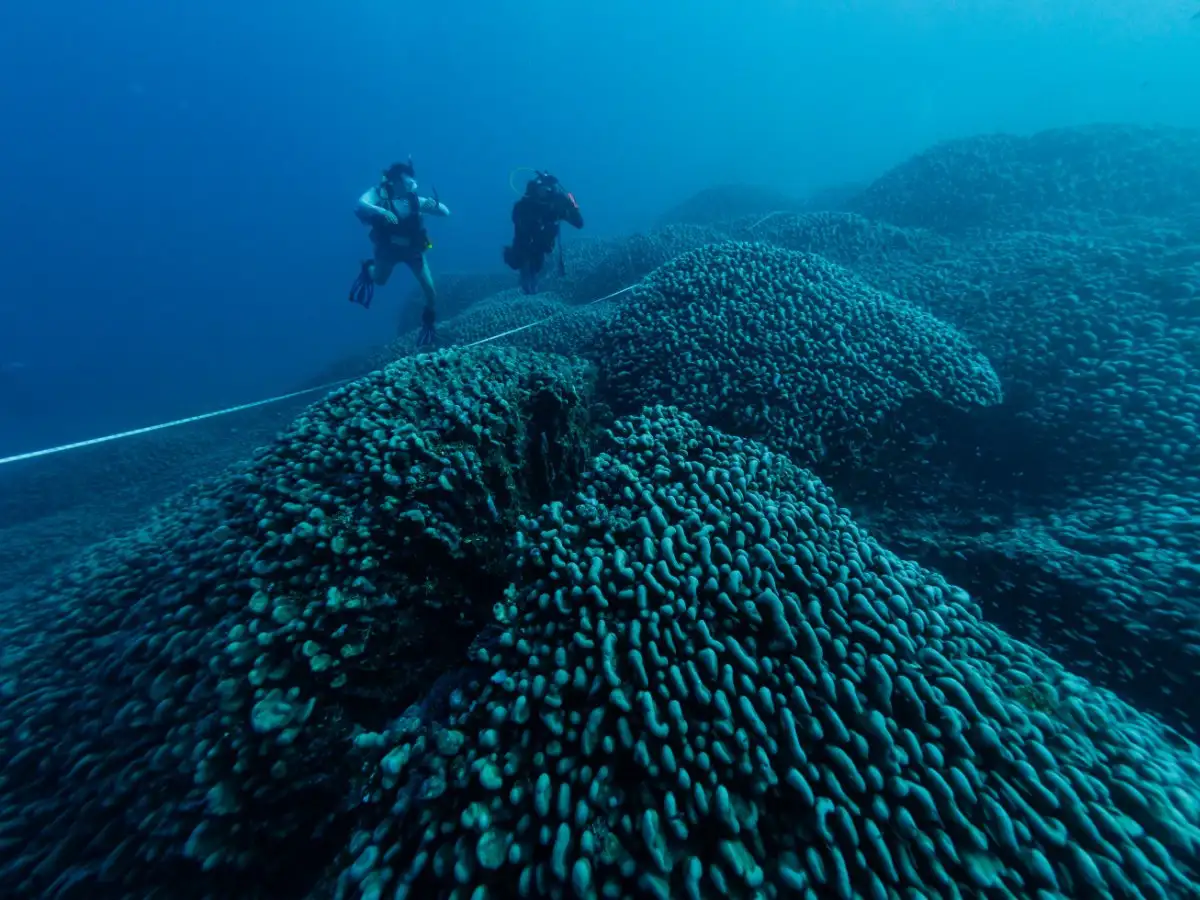
Marine scientists discover a giant black coral in deep waters off Fiordland, New Zealand, during a deep-sea expedition led by Victoria University of Wellington researchers. The coral is described as the largest and among the oldest black corals ever recorded in New Zealand, renewing focus on deep-sea biodiversity and conservation of fragile marine ecosystems.
Giant Black Coral Discovery in Fiordland (New Zealand):
| Dimension | Key Details |
|---|---|
| Location | Deep waters off New Zealand’s Fiordland. |
| Expedition leadership | Identified during a deep-sea dive led by researchers from Victoria University of Wellington. |
| Estimated age | About 300–400 years old. |
| Recorded size | Measures over 13 feet tall and nearly 15 feet wide. |
| Growth rate | Black corals grow extremely slowly, often just a few millimetres per year. |
| Typical habitat | Typically found in deep, cold waters. |
| Colour note | Often appear white or pale when alive due to living tissue; internal skeleton is black. |
| Ecological role | Consists of complex structures that offer habitat, protection, and breeding grounds, supporting slow-growing deep-sea species and many small organisms, fish, and invertebrates. |
| Scientific value | Living archives of ocean history by recording changes in water temperature, chemistry, and currents over long periods. |
| Vulnerability to disturbance | Highly vulnerable due to slow growth and longevity; disturbance sources include fishing gear, anchoring, and seabed activities. |
| Legal protection | Protected under New Zealand’s Wildlife Act; mandates that collecting, damaging, or disturbing is illegal. |
| Conservation | Mapping such coral colonies provides for preventing accidental destruction from human activities. |
| Human use and impact | Traditionally used in jewellery and medicine, but overharvesting and slow growth have led to major global population declines. |