|
India’s Child Trafficking Response: Low Convictions Despite Large-Scale Rescues
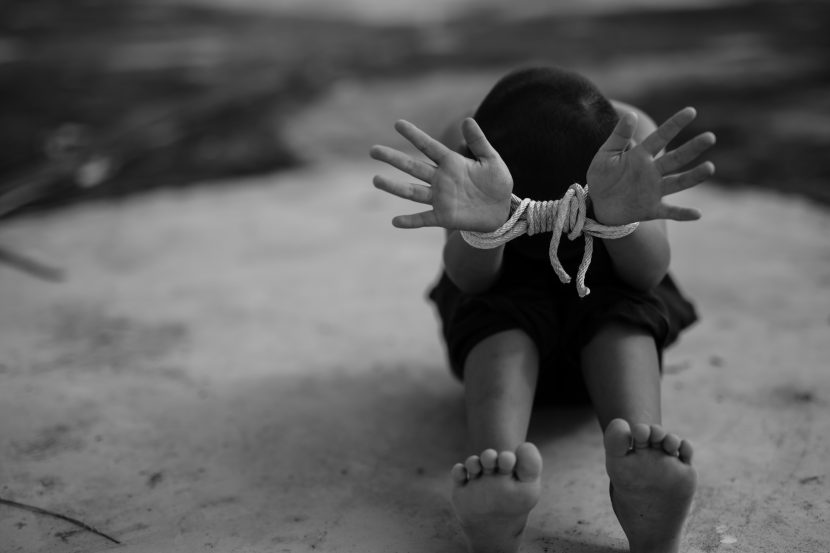
India’s response to child trafficking remains in focus following recent judicial directions and official data showing low conviction rates despite large-scale child rescues. It highlights gaps between existing legal safeguards, enforcement outcomes, and justice delivery in child trafficking cases.
Child Trafficking in India: Legal Framework, Constitutional Provisions, Laws, and Issues
| Dimension | Key Details |
|---|---|
| Child trafficking | Recruitment, transportation, harbouring, or receipt of children for exploitation, including forced labour, sexual exploitation, slavery, servitude, or organ removal. |
| International definition | Provides for treatment of any movement or exploitation of a child for exploitative purposes as trafficking, irrespective of consent. |
| Domestic legal framework | The Palermo Protocol principle is incorporated into India’s domestic legal framework. |
| Bharatiya Nyaya Sanhita (BNS), 2023 | Defines trafficking to include recruitment, transportation, or harbouring through coercion, deception, abuse of power, or inducement for exploitation. |
| Forms of exploitation recognised | Recognises physical, sexual, economic, and organ trafficking as forms of exploitation. |
| Article 23 | Prohibits human trafficking and forced labour. |
| Article 24 | Bans employment of children in hazardous industries. |
| Article 39(e) and 39(f) | Directs the State to ensure children are protected from abuse and are provided conditions of freedom, dignity, and healthy development. |
| Key legislations addressing child trafficking | Bharatiya Nyaya Sanhita, 2023; Immoral Traffic (Prevention) Act, 1956; Juvenile Justice (Care and Protection of Children) Act, 2015; Protection of Children from Sexual Offences (POCSO) Act, 2012. |
| Specific offences | Criminalises trafficking and the buying and selling of minors. |
| Immoral Traffic (Prevention) Act, 1956 | Targets trafficking for sexual exploitation. |
| Juvenile Justice Act, 2015 | Focuses on care, rehabilitation, and reintegration of trafficked children. |
| POCSO Act, 2012: punishments | Provides for stringent punishments for sexual offences against children, including life imprisonment and death penalty in extreme cases. |
| POCSO Act, 2012: features highlighted | Is gender-neutral and provides for enabling fast-track courts for speedy trials. |
| Supreme Court position | Recognises trafficking as a violation of the fundamental right to life and dignity. |
| Supreme Court cases | Vishal Jeet v. Union of India; M.C. Mehta v. State of Tamil Nadu; Bachpan Bachao Andolan v. Union of India. |
| Recent Supreme Court guidelines | Emphasise victim-centric approaches, accountability of authorities, and coordinated enforcement. |
| Structural challenges | Low conviction rates; socio-economic vulnerabilities (poverty, migration, disasters, family breakdown); misuse of digital platforms for recruitment under the guise of jobs or opportunities; fragmented enforcement due to networks operating across State boundaries. |
| Federal dimension | Law and order is a State subject, which complicates coordinated action and makes Centre-State cooperation essential. |