|
SIPRI Report 2026
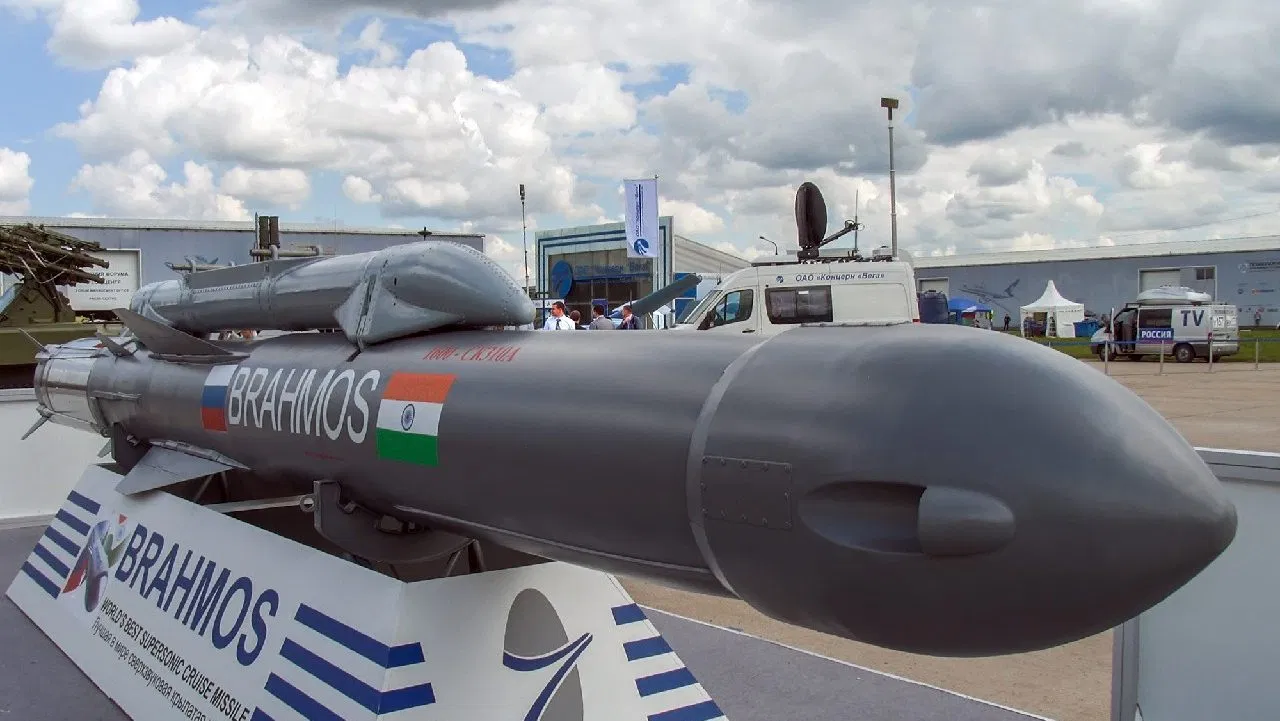
SIPRI (Stockholm International Peace Research Institute) Report 2026 states that India has deployed 12 nuclear warheads for the first time. The report estimates India’s nuclear stockpile at 190 warheads as of January 2026, up from 180 in 2025. It states that deploying warheads on an SSBN deterrence patrol signals higher readiness than India’s earlier practice of keeping warheads and launchers separate in peacetime.
SIPRI Report 2026: India’s Nuclear Posture and Related Terms
| Dimension | Key Details |
|---|---|
| Report and authority | SIPRI Report 2026 is issued by the Stockholm International Peace Research Institute (SIPRI). |
| Stockpile estimate | India’s nuclear stockpile is estimated at 190 warheads in January 2026, up from 180 in 2025. |
| Policy shift described in the report | India earlier keeps warheads and launchers separate in peacetime, and it now deploys them on an SSBN deterrence patrol. |
| Deterrence patrol | An SSBN sails secretly with nuclear weapons onboard, ensuring second strike capability so India can retaliate from sea even if attacked. |
| Recessed deterrent policy | Nuclear warheads and delivery systems are kept separate in peacetime to prevent accidental use. |
| India’s nuclear policy guidance | India’s nuclear policy is guided by the 2003 doctrine, based on No First Use (NFU) and credible minimum deterrence. |
| Credible minimum deterrence | A nation keeps a limited but survivable arsenal of nuclear weapons, and it mandates a massive retaliatory response to inflict unacceptable damage on the adversary in case of a nuclear strike on India. |
| Nuclear triad: officially recognized possessors | Five are officially recognized as possessing a nuclear triad: the United States, Russia, China, India, and Pakistan. |
| Triad definition | A nuclear triad comprises the capability to deliver atomic weapons via 3 distinct methods: aircraft, land-based missiles, and SSBNs (sea-based deterrence). |