|
Seven new damselfly species discovered in Arunachal Pradesh and Nagaland
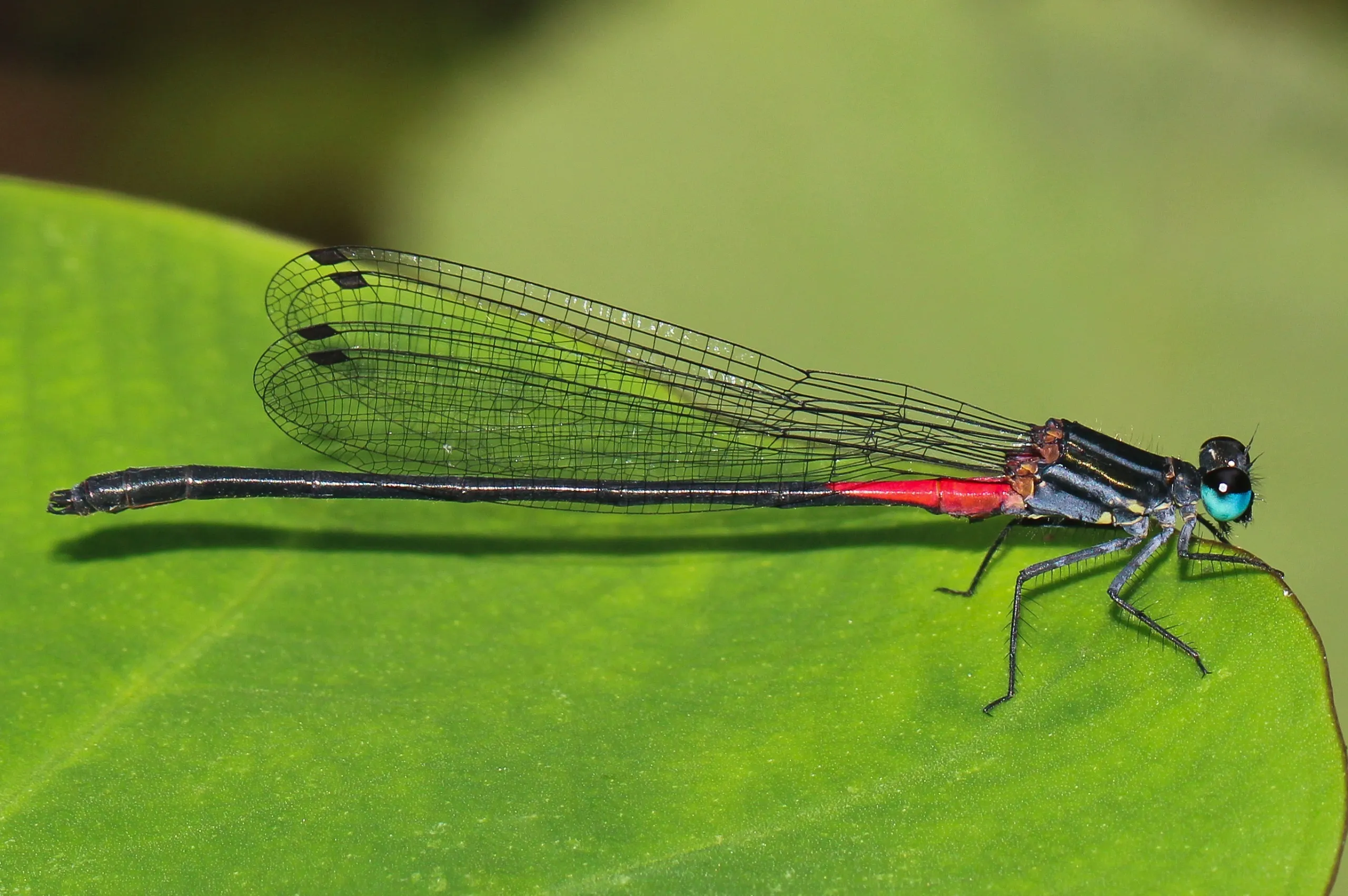
Researchers recently reported the discovery of seven new damselfly species from Northeast India, with the findings published in the journal Zootaxa. The discovery highlights the rich freshwater biodiversity of Arunachal Pradesh and strengthens India’s status as a global hotspot for certain odonate species.
New Damselfly Species Discovery:
| Dimension | Key Details |
|---|---|
| Taxonomic Group | Damselflies belong to the insect order Odonata and the suborder Zygoptera. |
| Odonata Group | Dragonflies and damselflies together constitute the insect order Odonata and are collectively called odonates. |
| General Characteristics | Predatory amphibious insects with aquatic larval stages and terrestrial winged adult stages. |
| Scientific Names of New Species | Calicnemia ardena, Calicnemia arunachala, Calicnemia flavovittata, Calicnemia mimumkoa, Calicnemia naga, Calicnemia rubromacula and Coeliccia magna. |
| Genus | Most newly discovered species belong to the genus Calicnemia, while one species belongs to the genus Coeliccia. |
| Global Significance | With these discoveries, India now hosts 14 species of the genus Calicnemia, making it a global hotspot for the genus. |
| Habitat | Found in freshwater habitats including forest streams and hill ecosystems. |
| Distribution | Mainly recorded from Upper Siang district of Arunachal Pradesh with some records from Nagaland. |
| Key Physical Traits | Damselflies are slender insects with separated eyes and wings folded together along the body when at rest. |
| Species Identification | Species were identified through differences in the shape of the male reproductive structure called the genital ligula. |
| Special Morphological Feature | Two species show short split reproductive filaments leading to the formation of a new “ardena group.” |
| Diet | Feed on insects such as mosquitoes, flies, midges, moths and butterflies. |
| Ecological Role | Odonates act as bioindicators of clean freshwater ecosystems and help control insect populations. |
| Major Threat | The species depend on clean freshwater habitats and are vulnerable to water pollution and habitat degradation. |
| Biodiversity Significance | The discovery highlights the exceptional biodiversity of Northeast India and the ecological importance of freshwater ecosystems. |